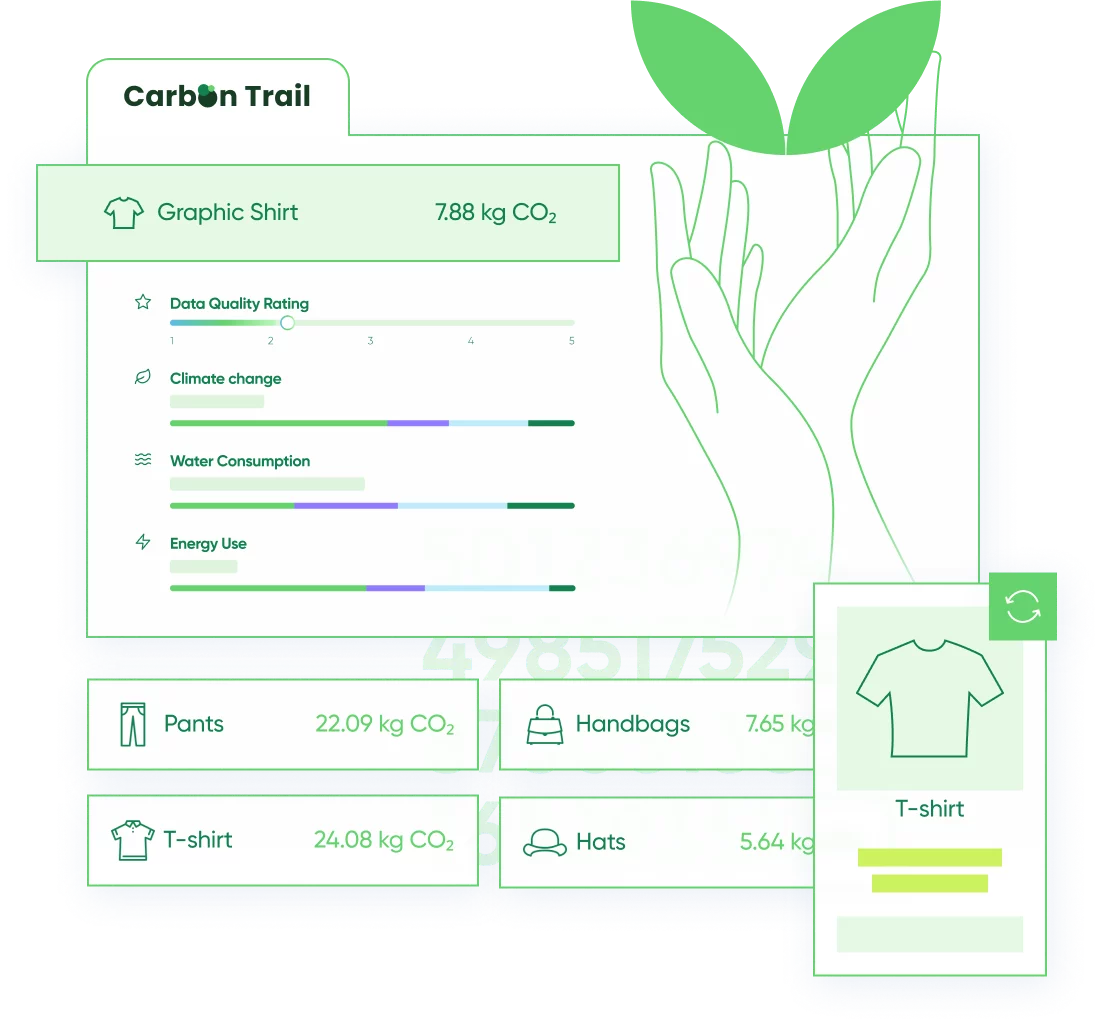
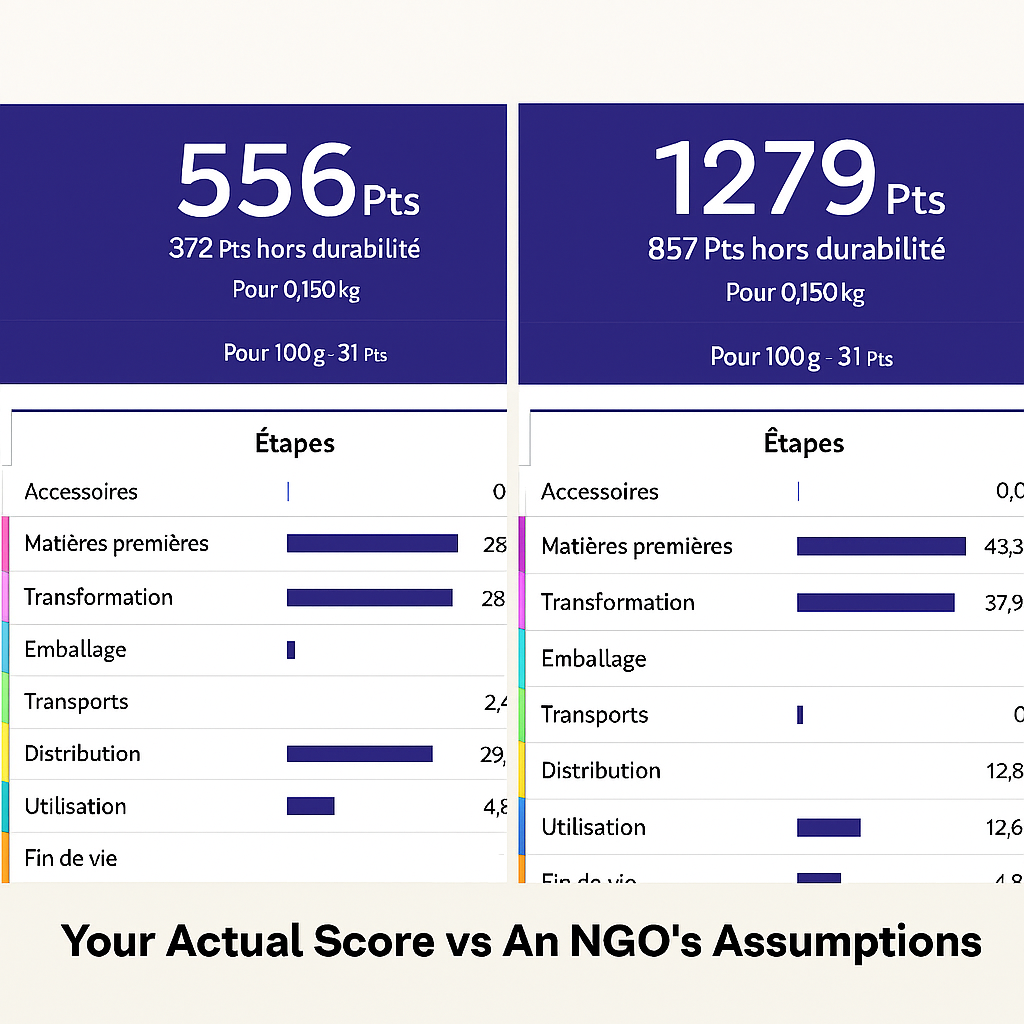
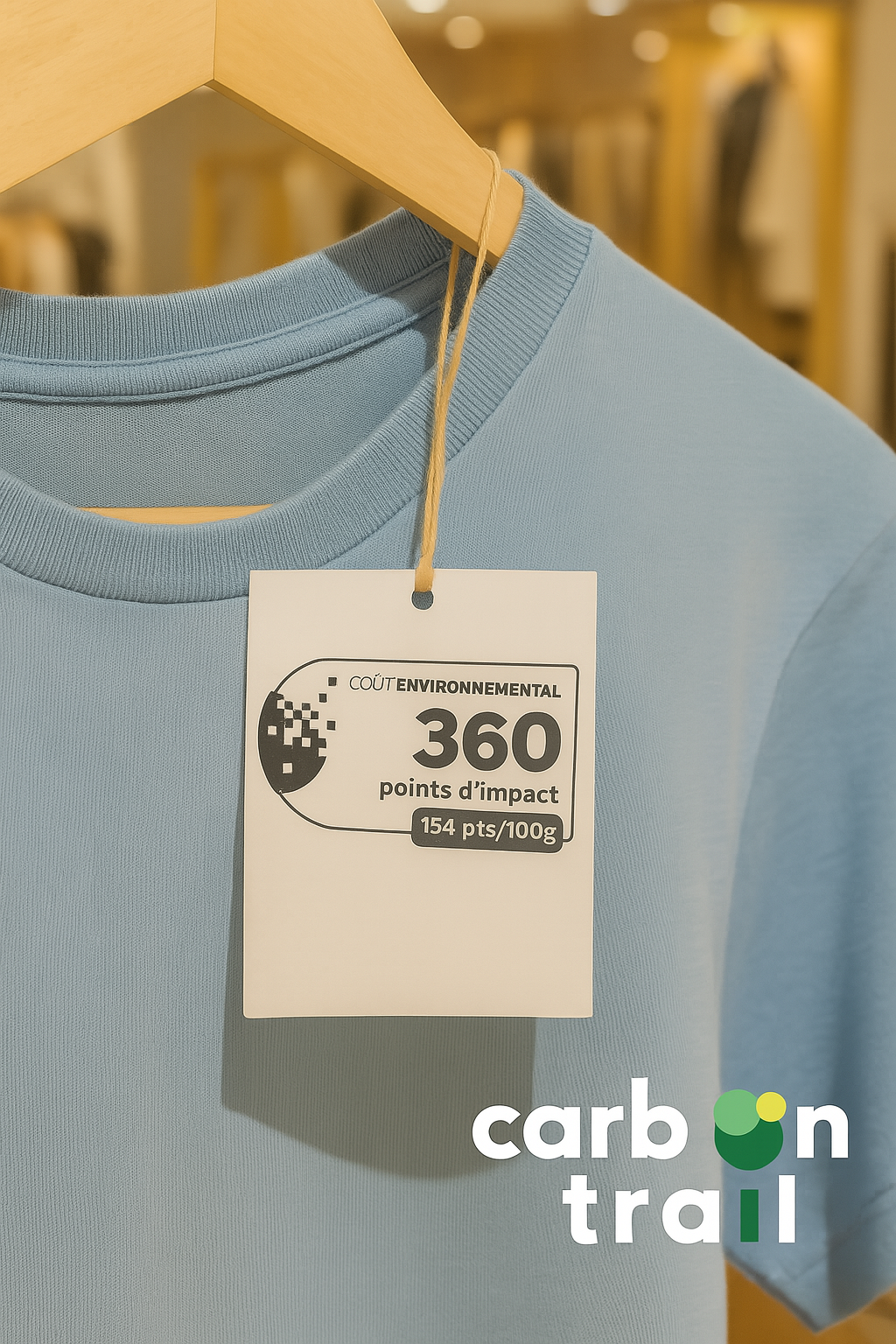
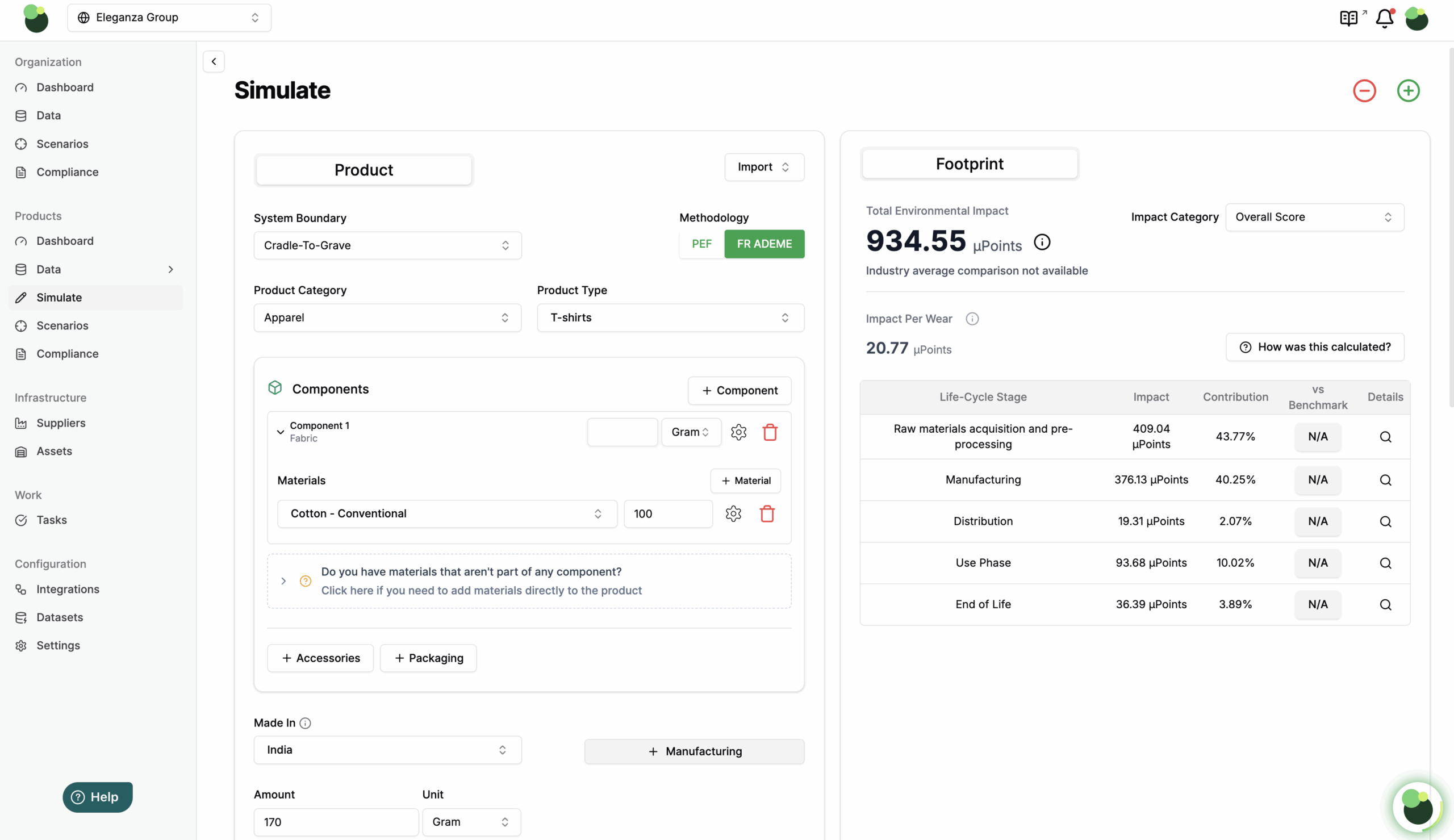
If the new French Textile Environmental Cost law (a.k.a. the France Textile Eco-Score) is to be seen, then yes, anyone can publish the official Environmental Cost scores for your textiles if you don't yourself disclose them by the end of the voluntary phase. Control your brand's sustainability narrative, before someone…
If you make or sell apparel in France, the new “environmental cost” or France Textile Eco-Score label is about to touch everything from your bills of materials to your product pages. This guide cuts through the noise: what’s required, when, how the score is calculated, where it must be shown, and how to prepare without…
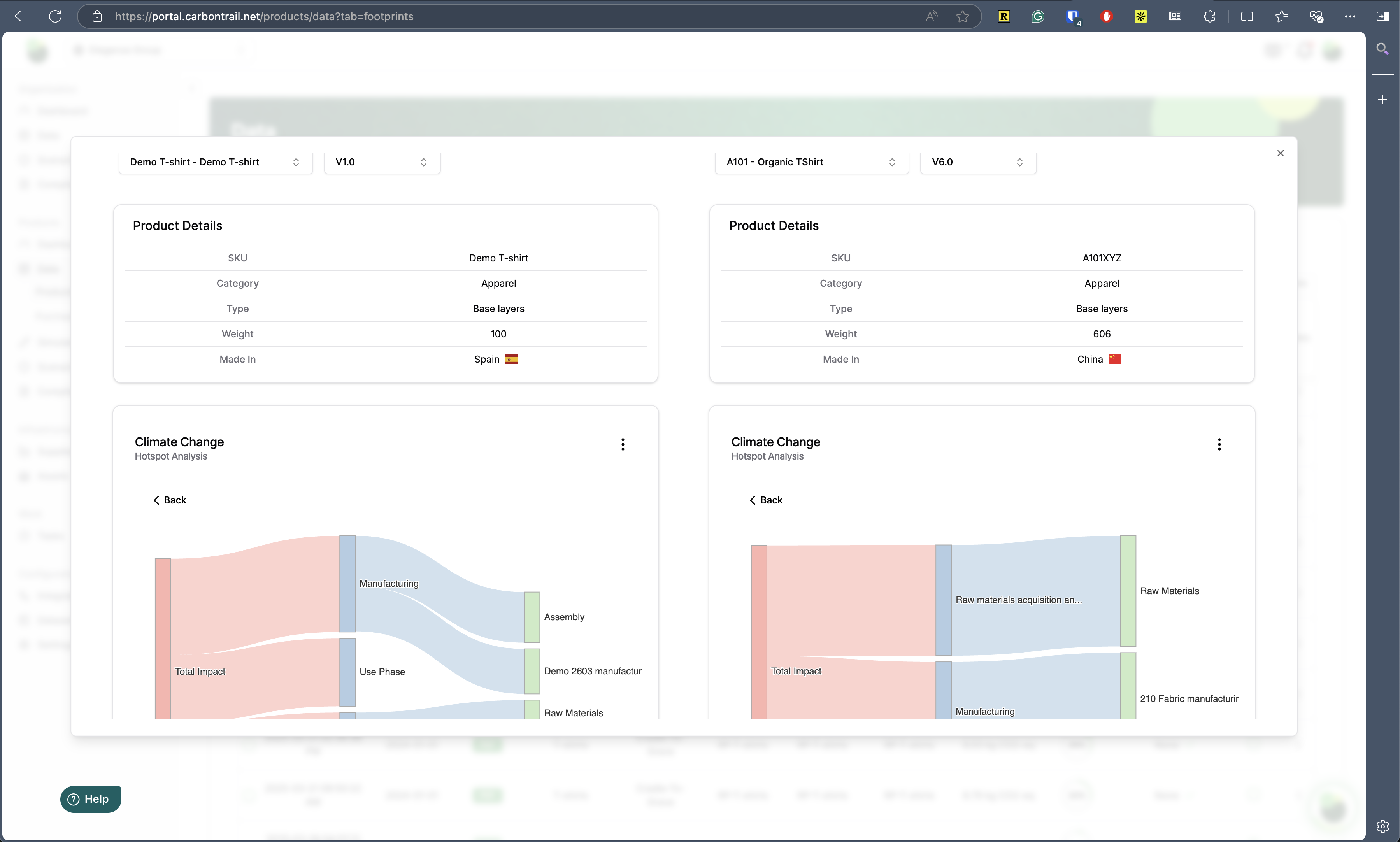
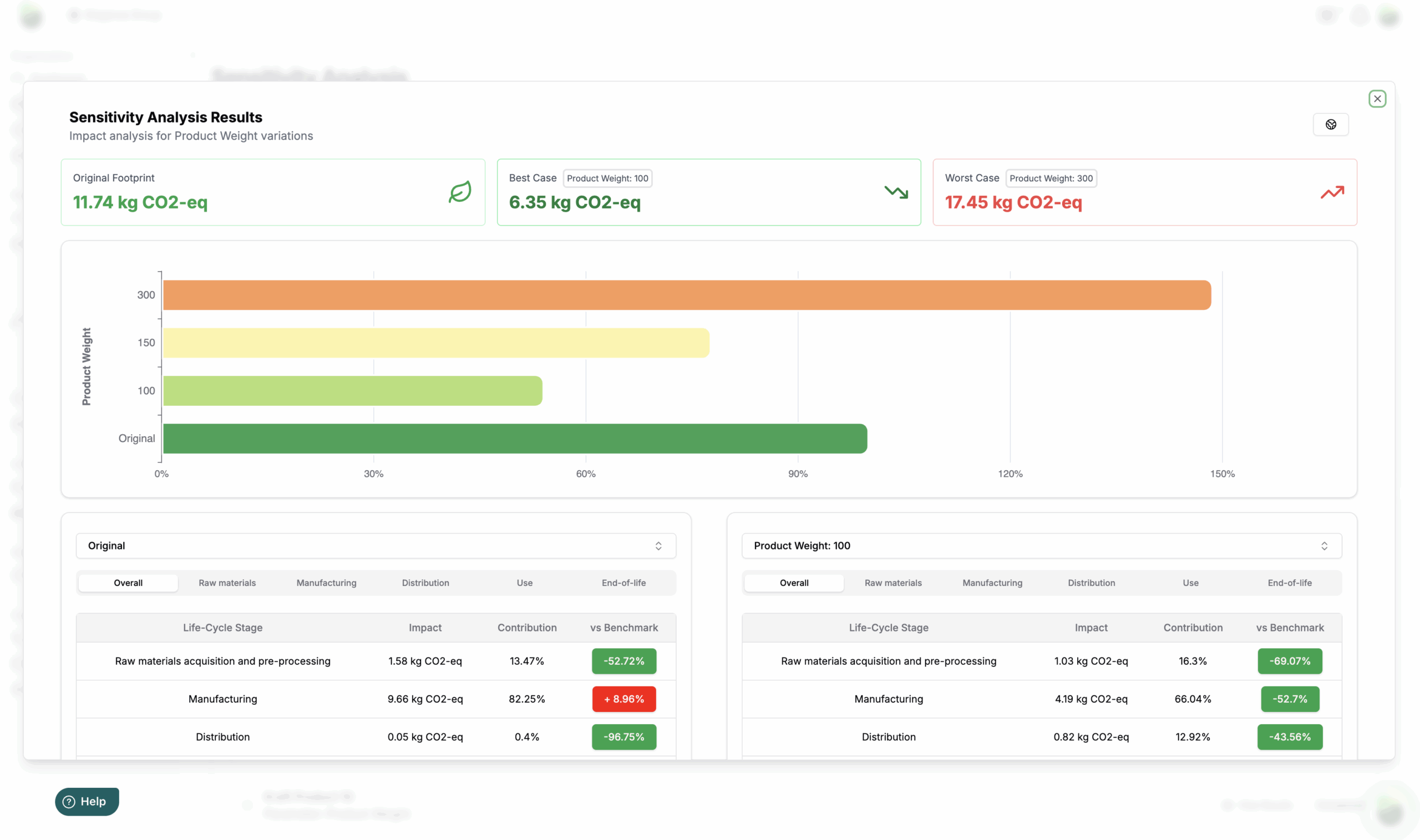
Measuring product footprints is hard work. Data is often incomplete, assumptions creep in, and getting inputs from across teams and facilities can be a challenge. At Carbon Trail, our goal is to make lifecycle assessments (LCAs) more reliable, transparent, and easier to manage. This month, we’re excited to announce…
At Carbon Trail, we spend a lot of time talking to sustainability teams, product managers, and compliance officers. And recently, we've been hearing some recurring themes: “I’m not sure if this product is AGEC-compliant.”“We’d love to show ROI on sustainability initiatives, but we don’t have the cost data.”“CDP…
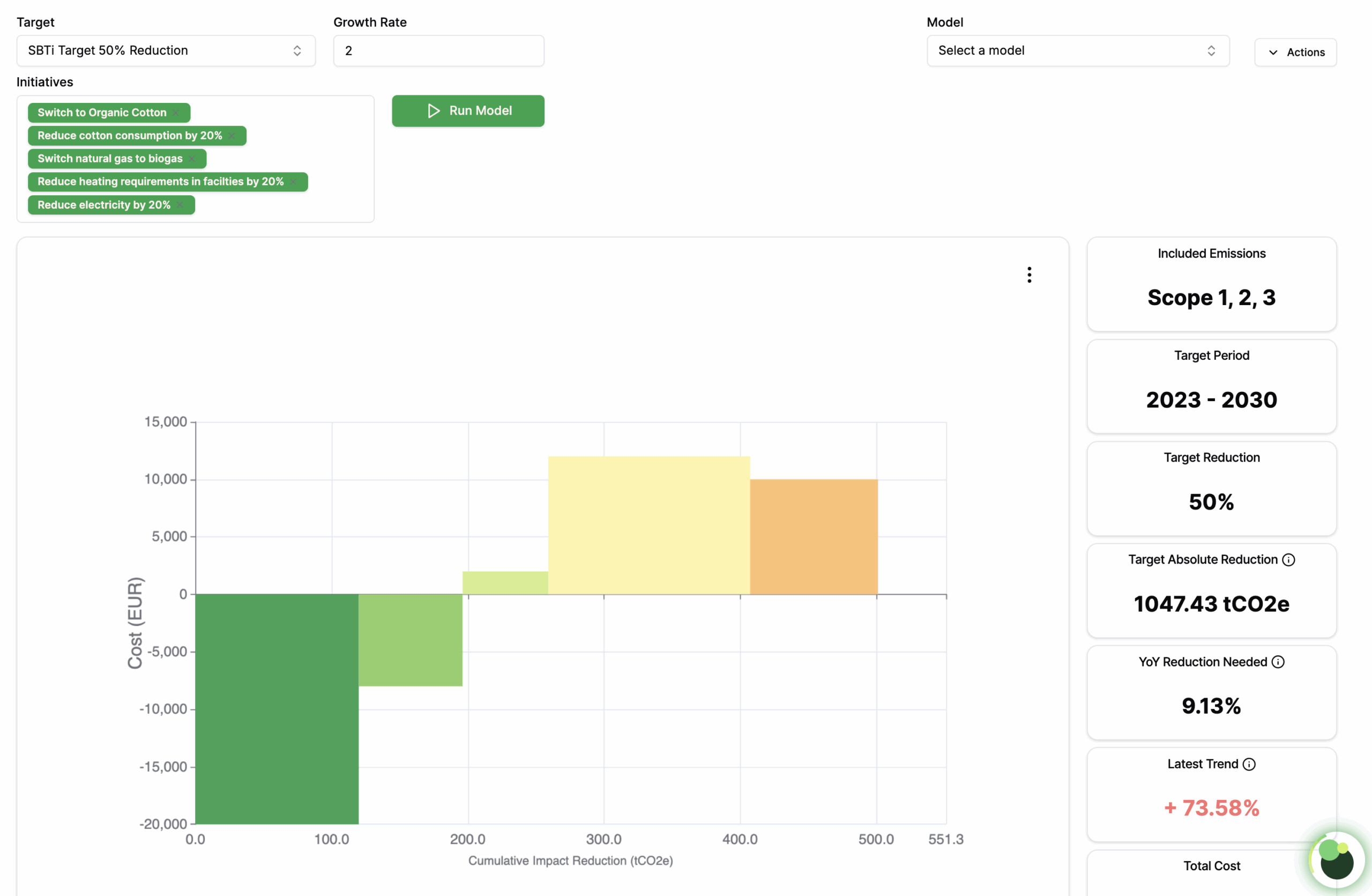
We’re excited to share what we launched in June to help climate-conscious brands make more informed decisions, stay ahead of compliance requirements, and organize their carbon accounting data better than ever. 📉 Introducing the Marginal Abatement Cost Curve (MACC) One of the most powerful tools we've added to Carbon…
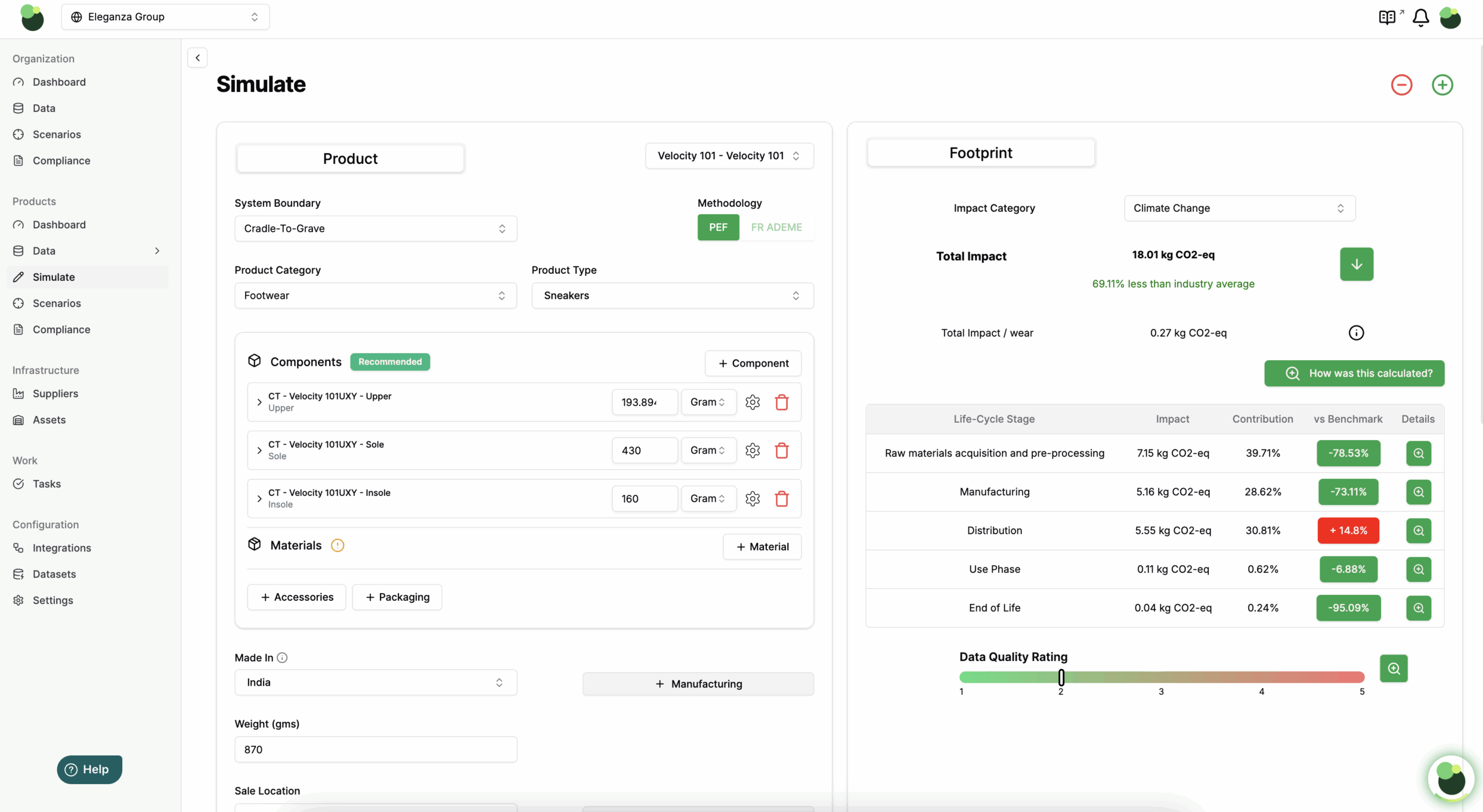
We’ve been hard at work at Carbon Trail, and in May, we released some powerful features to make life easier for fashion brands measuring their environmental impact, especially those working with complex product categories like footwear. 🥾 Bulk Upload Support for Complex Products like Footwear Managing data for…
We’re excited to announce three major product enhancements that make carbon accounting and product footprinting smoother, smarter, and more precise. Here’s what’s new: 🌍 Inflation-Adjusted Emissions for Spend-Based Data Let’s say you’re working with 2024 activity data, such as spend on purchased goods, but the best…
The fashion industry has a significant carbon footprint with energy-intensive manufacturing, fossil fuel reliance, and sprawling global supply chains. The industry is facing an uphill task to adopt sustainable practices. At Carbon Trail, we are exploring ways to decarbonize fashion industry with better data and…
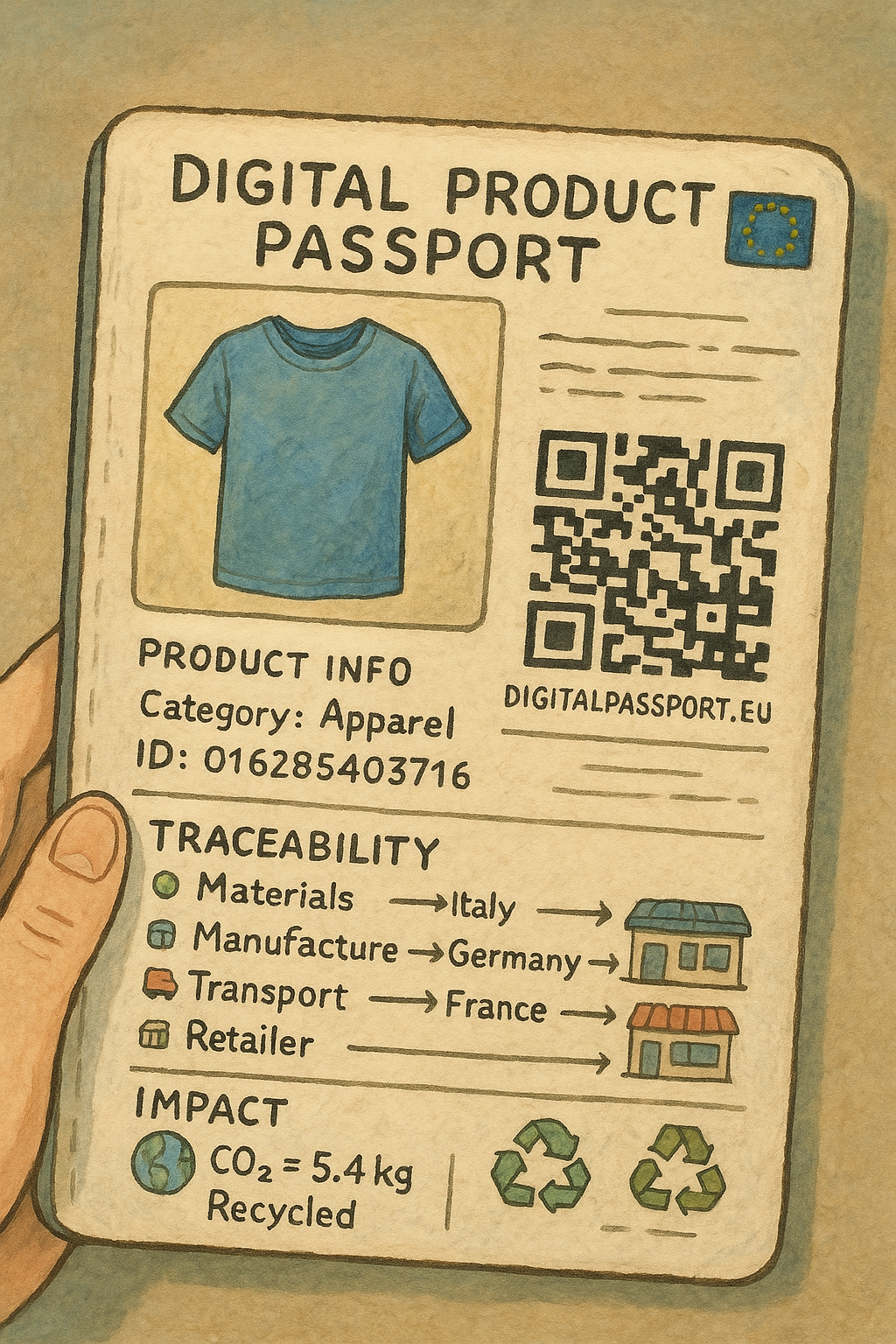
Introduction to the Digital Product Passport (DPP) The Digital Product Passport (DPP) is a groundbreaking initiative by the European Union (EU) aimed at improving sustainability and transparency in the textile industry. Introduced under the Ecodesign for Sustainable Products Regulation (ESPR), which came into effect on…
We're excited to share what’s new this month! 🌟 Here’s what’s new: 💧 Primary Supplier Water and Waste Data Previously, supplier-level data collection was focused mainly on energy use. Now, you can also automatically integrate water consumption and waste generation into your product footprints. This is a big step…
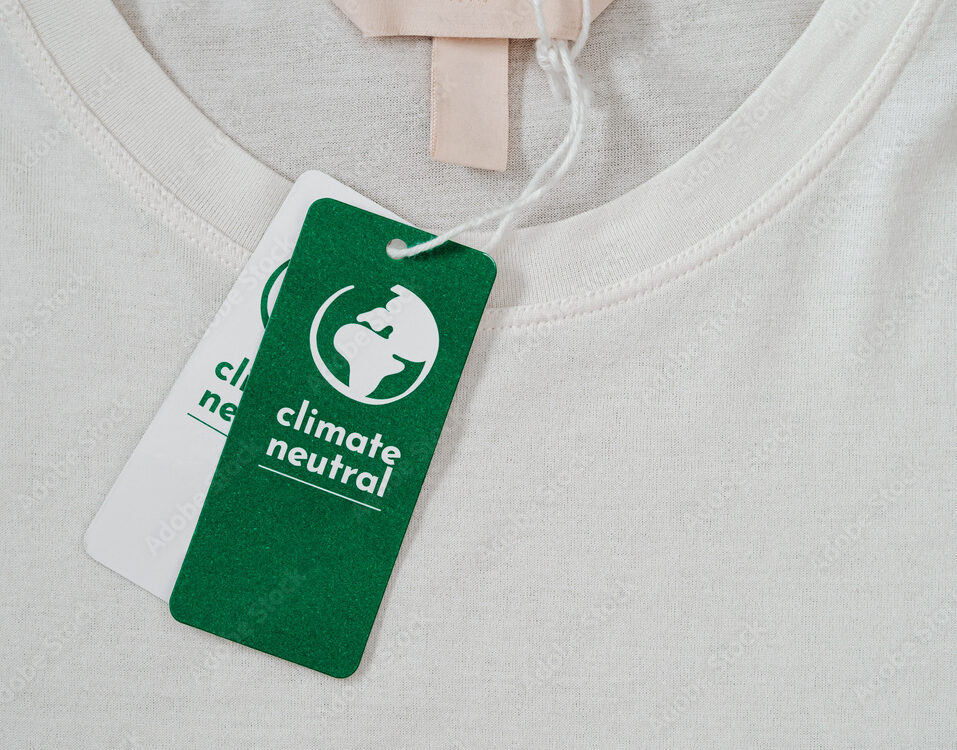
What is Carbon Neutral Clothing? Carbon neutral clothing has been manufactured, distributed, and used in a manner that fully removes all the carbon emissions related to its production process. This implies that emissions given out to the atmosphere through material acquisition, manufacture, transportation, and final…
Understanding Carbon Footprint Challenges in 2025 Carbon footprint challenges seeks to evaluate and minimize GHG emissions that stem from human-generated activities such as transportation and energy usage and industrial processes. Current worldwide demand for carbon footprint reduction has become increasingly pressing,…
What is CSR in Fashion? Corporate Social Responsibility (CSR) in fashion specifically means that the company is accountable for their effects on the environment, people, and the economy. This involves the promotion of ethical sourcing, limiting the impact on the natural environment, and advocating for equity in supply…
What Are Sustainable Material Choices? Sustainable material choices means fabrics that are eco-friendly all through the life cycle of the fabric. It also means that these materials are obtained, processed, and recycled/eliminated with minimal energy, materials, and waste. It is therefore possible for the fashion…
Over the past month, we introduced new capabilities designed to help companies plan their decarbonization strategies with more precision, streamline data ingestion, and integrate durability into their impact assessments. Here’s why these updates matter. Evaluating Decarbonization Strategy ROI One of the biggest…
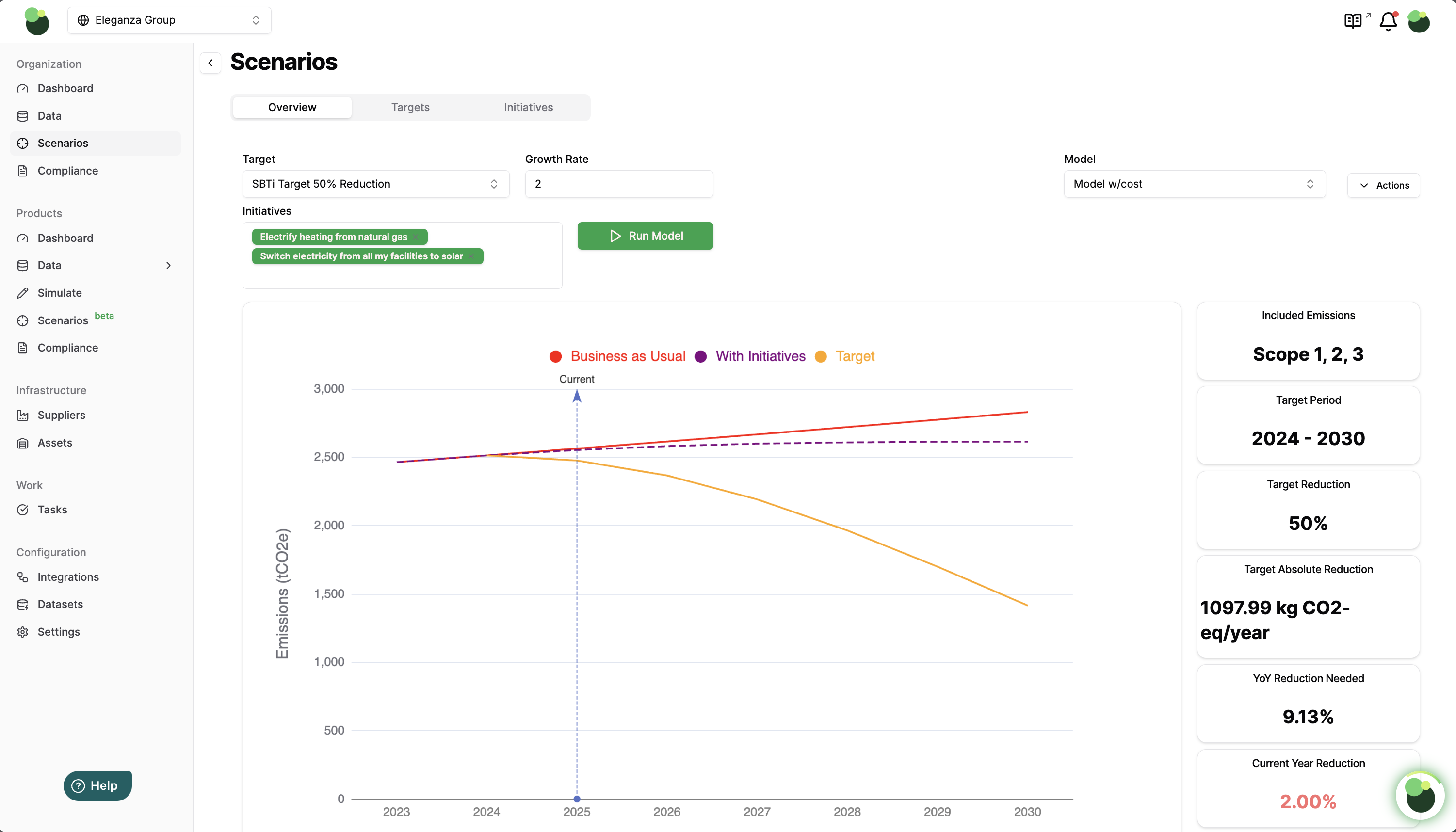
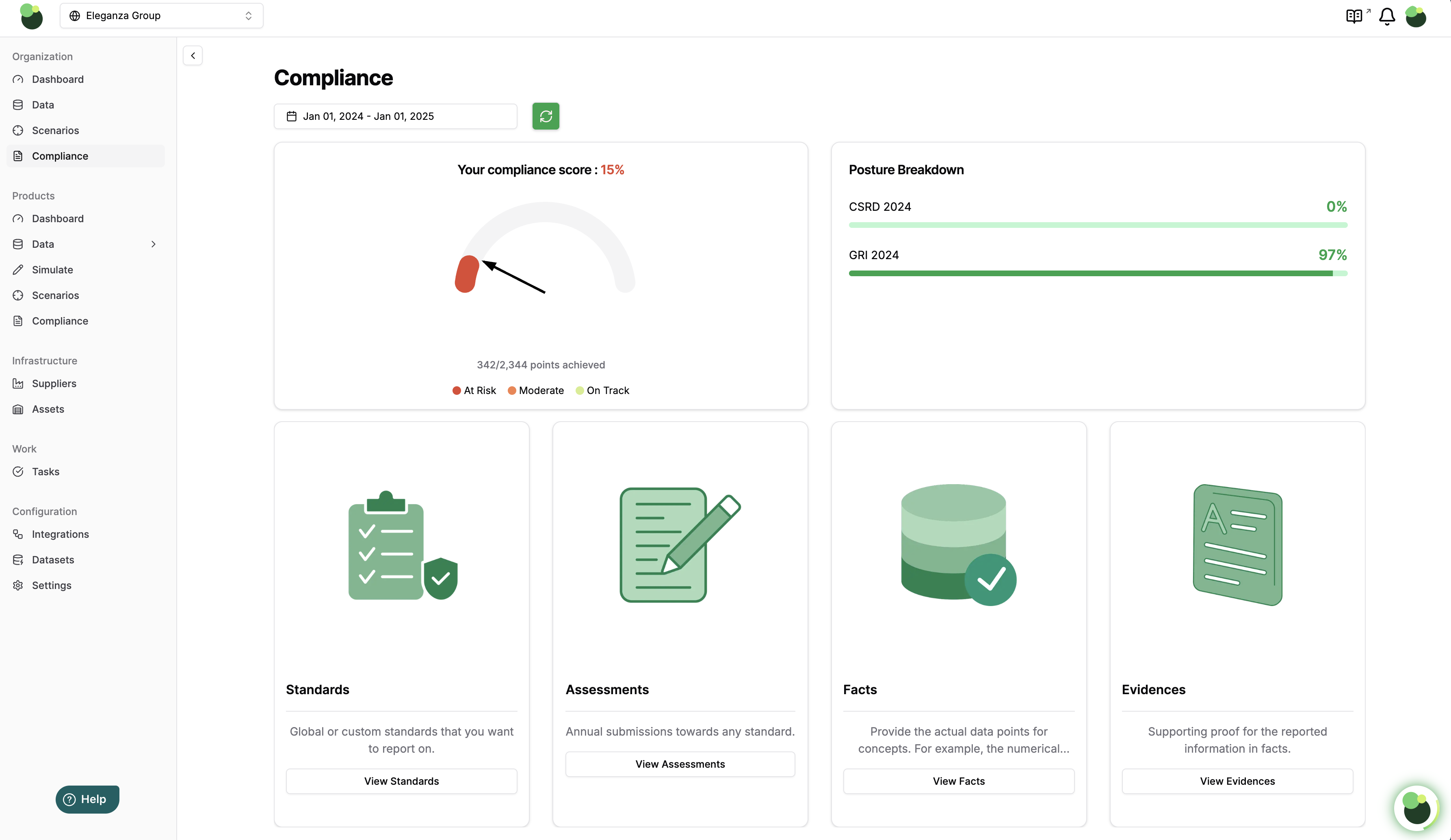
At Carbon Trail, we know that sustainability reporting can be overwhelming. The process of gathering data, ensuring accuracy, and aligning with multiple frameworks like SB 253 and CSRD is often tedious and time-consuming. That’s why we built our new Automated Compliance Sync feature—to drastically cut down the manual…
What is COP29? COP (Conference of the Parties) implies an annual meeting where world authorities deliberate on climate change issues and act collectively. Specifically, the COP29 in Baku, Azerbaijan has served a very important function in the COP process, especially for developing countries. Targets for climate finance…
What is Fast Fashion? Fast fashion is the production of clothes that are trendy, and affordable and begin to fade out as soon as a newer fashion emerges. Stores such as Zara and H&M are perfect examples of this model, as they make a majority of their clothes at cheap prices to make customers buy more. However, this…
What is Supply Chain Data Management? Supply chain data management requires the intake of data in the supply chain process and putting the data to use through analysis. In the fashion industry, it enables better control of sourcing, production, and distribution. Hence, it increases operational efficiency. For instance,…
What is Carbon Sequestration? Carbon capture and storage (CCS) is the process of capturing carbon dioxide (CO2) and storing or utilizing it so that it does not escape into the environment. It therefore has a very crucial role in combating climate change by decreasing the intensity of greenhouse gases. It covers the…
What is Traceability in Fashion? Fashion traceability means or calls for a way of identifying the path of the product to reaching the consumer once it has gone through sourcing raw materials. This includes the process of harvesting cotton, making actual fabric, garment manufacturing, and shipping the clothes. For…
What is Sustainable Textile Manufacturing? The manufacturing process of textile materials and clothing creates sustainable production by maintaining ecological balance and moral standards despite minimal environmental impact. The approach emphasizes waste reduction, energy efficiency, and environmentally friendly…
What is Fast Fashion? The fashion industry applies a production system built around large-scale manufacturing combined with low prices and fast distribution cycles to react to shifting trends. Through frequent product releases, Zara H&M and Shein demonstrate fast fashion retail strategies that focus on delivering…
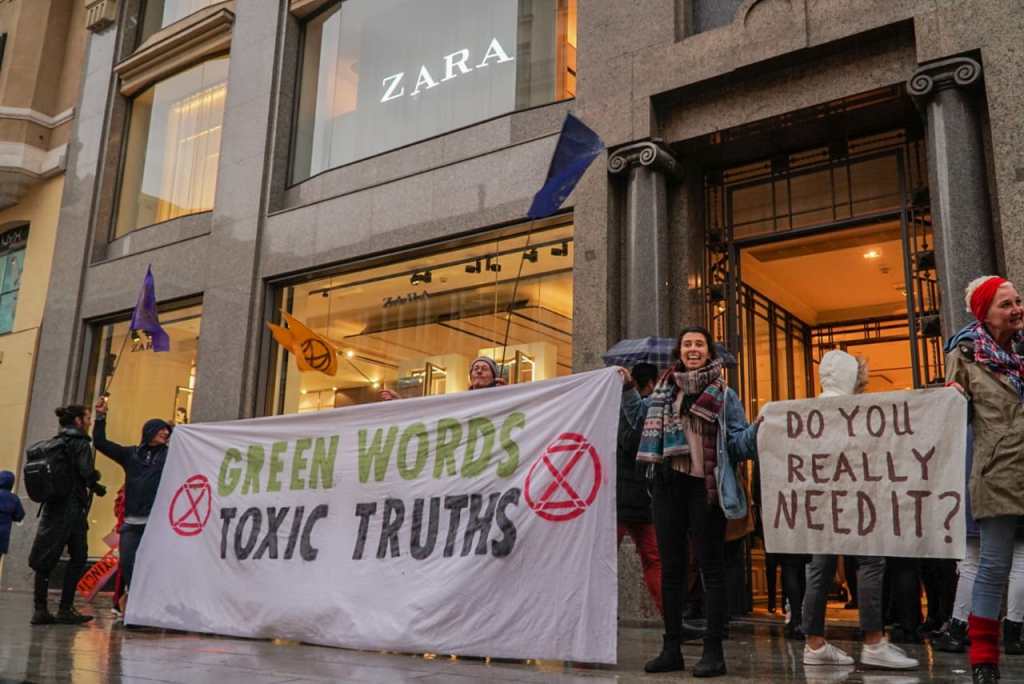
What is Greenwashing? Greenwashing may be defined as a situation where businesses and organizations give their audience the wrong impression about their environmental stewardship or products. It is always a marketing ploy that will make an organization look concerned with the environment and practicing sustainability…
What is Governance, Risk, and Compliance (GRC)? Governance Risk and Compliance (GRC) serves businesses as an integrated system to achieve regulatory compliance and accountability control by preventing operational risks. Organizations use governance frameworks to set business goals through legal and ethical guides, risk…
What are IFRS Sustainability Disclosure Standards? The International Financial Reporting Standards (IFRS) Sustainability Disclosure Standards is a framework aimed at guiding organizations’ sustainability information reporting. Established by the ISSB, these standards address the matters of improving the quality and…
What is Supply Chain Traceability? Supply chain traceability means the identification and tracking of a product from the point of origin through to consumption by the end user. It is the systematic acquisition, archiving, and dissemination of data concerning every aspect of production, processing, and distribution to…
What is AI in Retail? AI in retail is defined as the application of Artificial Intelligence technologies in retail businesses that allow for automation of some functions, analysis of others, and overall optimization of retail activities, including customer relations. Retailers use AI to get valuable data and improve…
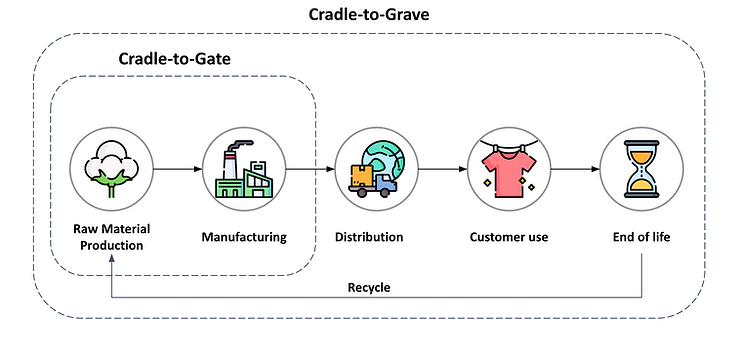
What is Life Cycle Assessment (LCA) for Textiles? Life Cycle Assessment (LCA) for textiles is a cradle-to-grave approach used to measure the environmental cost of any given product from birth to grave. In the context of textile products, LCA plays a worthwhile role in giving a nod and measure to products’ ecological…
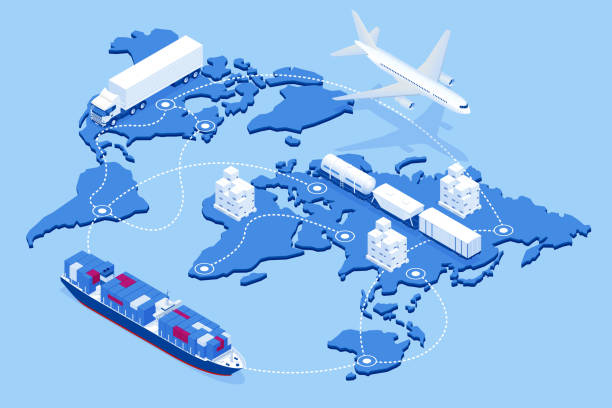
What is a Global Textile Supply Chain? A global textile supply chain is a system that presents all the activities that are involved in producing fabrics and products to be sold in the foreign markets. It links up producers of raw materials, processors, wholesalers, retailers and consumers all over the world. This…
What is a Materiality Assessment? Materiality assessment is a procedure that enables organizations to select and evaluate sustainability concerns that have the most influence on them and their stakeholders. When identifying the priorities that resonate, companies create an understanding of how key strategies fit with…
Introduction to the Sustainability Accounting Standards Board SASB stands for Sustainability Accounting Standards Board, and it is an international organization that focuses on setting sustainability-specific standards at sector levels. SASB’s vision is to enable companies to report on financially relevant ESG…
What is ESG Screening? ESG screening considers investment in companies and portfolios under various Environmental, Social, and Governance factors. It is a tool that helps investors filter companies by the values the investor believes in, as well as the financial returns. For instance, physical environment factors might…
Understanding the Carbon Footprint of Fast Fashion The carbon footprint can be defined as the total quantity of GHGs released to the environment because of various activities associated with human beings within a given time frame, usually expressed in terms of CO₂e. It is used to evaluate factors such as the effects of…
What is ISSA 5000? International Standard on Sustainability Assurance (ISSA) 5000 is an all-encompassing sustainability reporting standard that enables the assessment, control, and communication of ESG information. This structure allows companies to become more responsive to the new, changing demands of sustainability…
Introduction to Ethical Fashion Ethical fashion is not a temporary notion but a practice of producing clothing items free from violations of people, animals, and the environment. It is devoted to fair trade business, protection of the environment, and respect for human rights in chain production. In simple terms,…
Introduction to Fugitive Emissions Fugitive emissions refer to the uncontrollable emissions of grouped and individual gases that come as by-products of industrial processes or are affected by facility leakage, such as pipelines, tanks, and valves. Fugitive emissions are also more difficult to control than emissions…
Understanding Regulatory GHG Assessment (BEGES) GHG assessments are crucial in the global fight against greenhouse gas emissions, such as the Brazilian GHG Emissions Scheme (BEGES). Such assessments offer a framework for monitoring, appraisal, and managing emissions to achieve sustainable development targets among…
What is Greenhushing? Greenhushing Definition Greenhushing occurs when corporations choose to conceal or play down their sustainable business practices to prevent negative reactions. As more companies engage in more sustainable activities, the results are not publicized as companies feel that they might be pulled apart…
The fashion industry faces increasing pressure to deliver on sustainability commitments. While transparency in fashion is critical for accountability, many brands struggle with data transparency in fashion. Relying on average data creates barriers to achieving genuine decarbonization. The Sustainability Challenge in…
Life Cycle Assessment (LCA) has become essential for measuring environmental impact, yet fashion brands struggle to translate LCA data into actionable strategies. Addressing this gap is crucial to achieving sustainability goals and reducing Scope 3 emissions. The Struggle to Operationalize LCA Data in Fashion At an…
Understanding the Environmental Performance Index (EPI) The Environmental Performance Index, commonly abbreviated as the EPI, is a framework developed to rank countries based on their environmental health and ecosystem standing. The EPI is primarily numerical and measures the degree of compliance with international…
What is a Carbon Quota? A carbon quota refers to the maximum amount of carbon dioxide (CO₂) that an entity could emit in a given period, be it a country, corporation, or other organization. This mechanism is crucial in regulating emissions of greenhouse gases that are let into the environment to reduce the intensity of…
What is a Climate Tipping Point? The concept of climate tipping points refers to the state in the Earth’s climate system at which certain changes have occurred. When crossing this threshold, it unleashes drastic and profound changes and alters the climate system. They can lead to what is known as cumulative or flow-on…
What is the Green Claims Directive? The Green Claims Directive is a key EU regulation addressing greenwashing, particularly in the retail sector, where exaggerated environmental claims mislead consumers. It mandates businesses to provide factual evidence for their sustainability claims, ensuring transparency and…
The fashion industry faces significant challenges in addressing Scope 3 emissions, which represent the bulk of environmental impact across the value chain. From raw material sourcing to end-of-life product disposal, understanding and reducing these emissions require overcoming a complex web of data gaps and supply…
As the fashion industry grapples with its environmental and social impact, the demand for sustainability software in fashion has never been greater. However, brands and retailers are increasingly frustrated with generic tools and solutions that fail to address the industry's unique complexities. From fragmented supply…
Introduction to the Ecodesign for Sustainable Products Regulation (ESPR) The Ecodesign for Sustainable Products Regulation (ESPR) is a new legislation of the European Union that targets sustainable production and consumption. Originally launched within the EU Green Deal, ESPR provides a basis for shaping sustainable,…
Climate change is another evil that has never been so alarming as it is now. Climate technology, known as climate tech, has increasingly become an important instrument in dealing with climate issues in contemporary society. Continuing to 2025 and beyond, these climate tech trends will completely transform our approach…
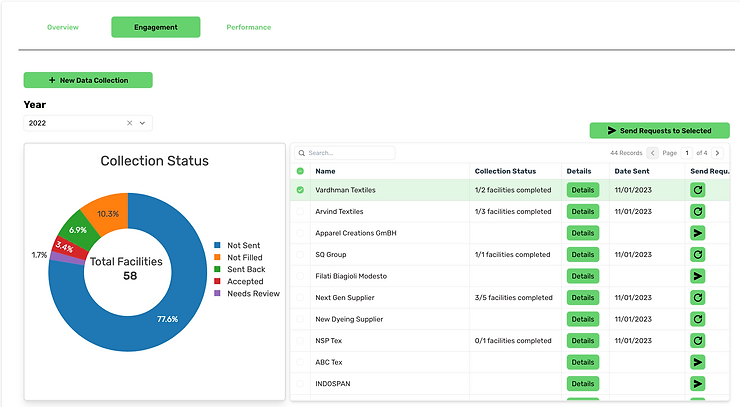
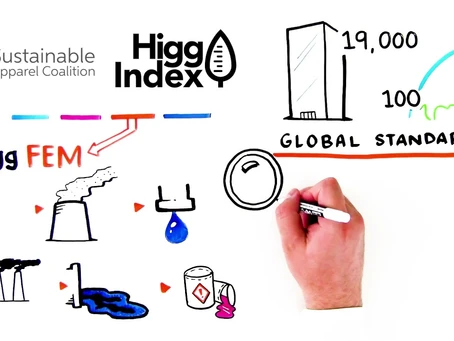
The Higg tools have become integral to sustainability efforts in the fashion industry. However, brands struggle to extract actionable insights from the vast amounts of data provided by Higg FEM. These challenges hinder their ability to drive meaningful improvements across supply chains and product footprints. The…
Sustainability in fashion is no longer a choice—it’s a necessity. However, for many brands, balancing sustainability priorities in fashion is a daunting challenge, especially when resources and budgets are limited. With increasing regulations, shifting consumer expectations, and investor pressures, fashion leaders…
One of the biggest hurdles fashion brands face in their sustainability journey is the sustainability data problem in fashion. Accurate, reliable data collection remains a significant challenge, particularly across supply chains. Brands are bogged down by manual processes, inconsistent data, and the absence of robust…
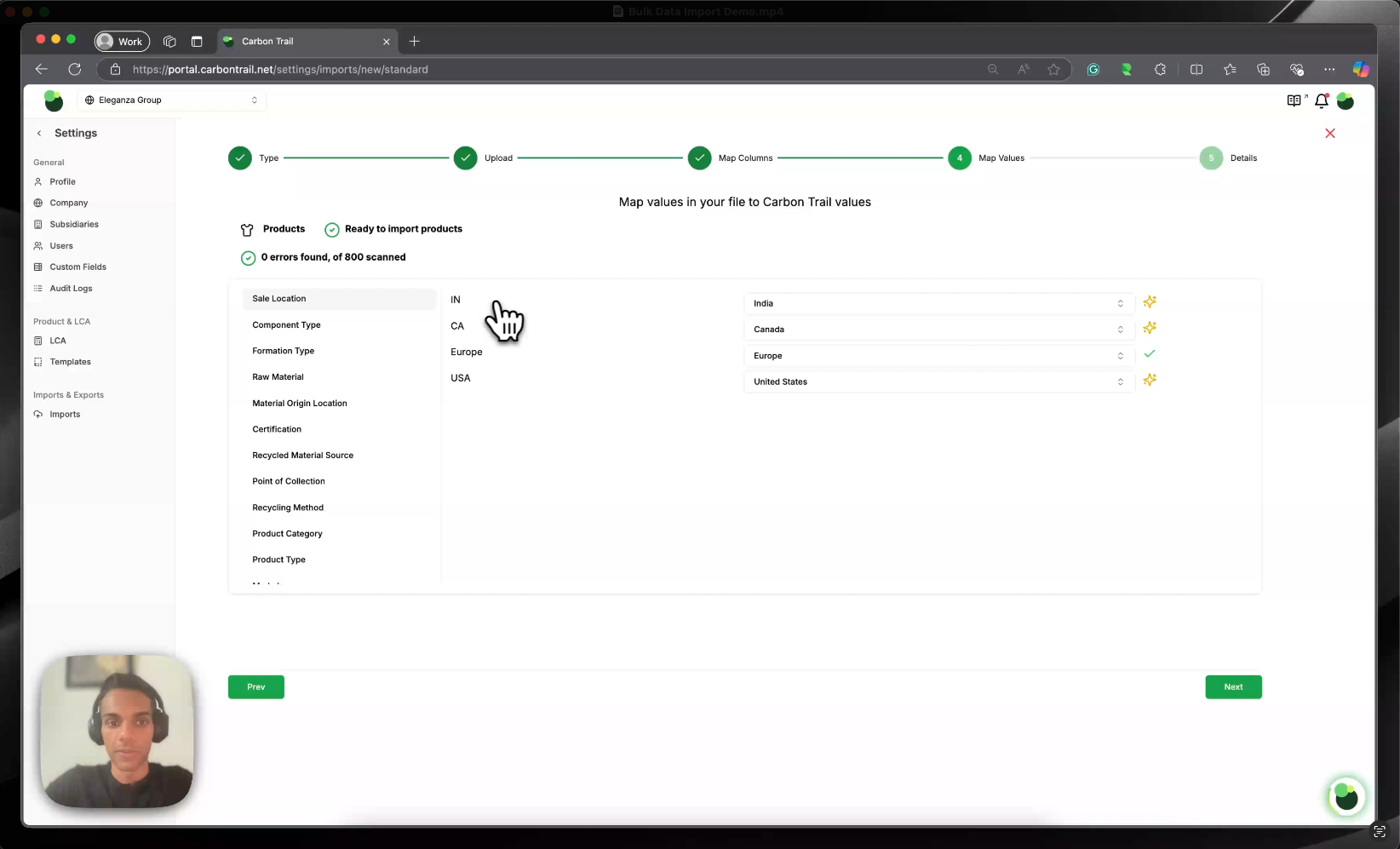
The Challenge of Data Integration In the fashion and retail industry, sustainability efforts hinge on accurate and comprehensive data. Yet, one persistent roadblock is addressing data mapping problems in LCA and carbon accounting. Mismatched taxonomies, inconsistent file formats, and time-consuming manual mapping…
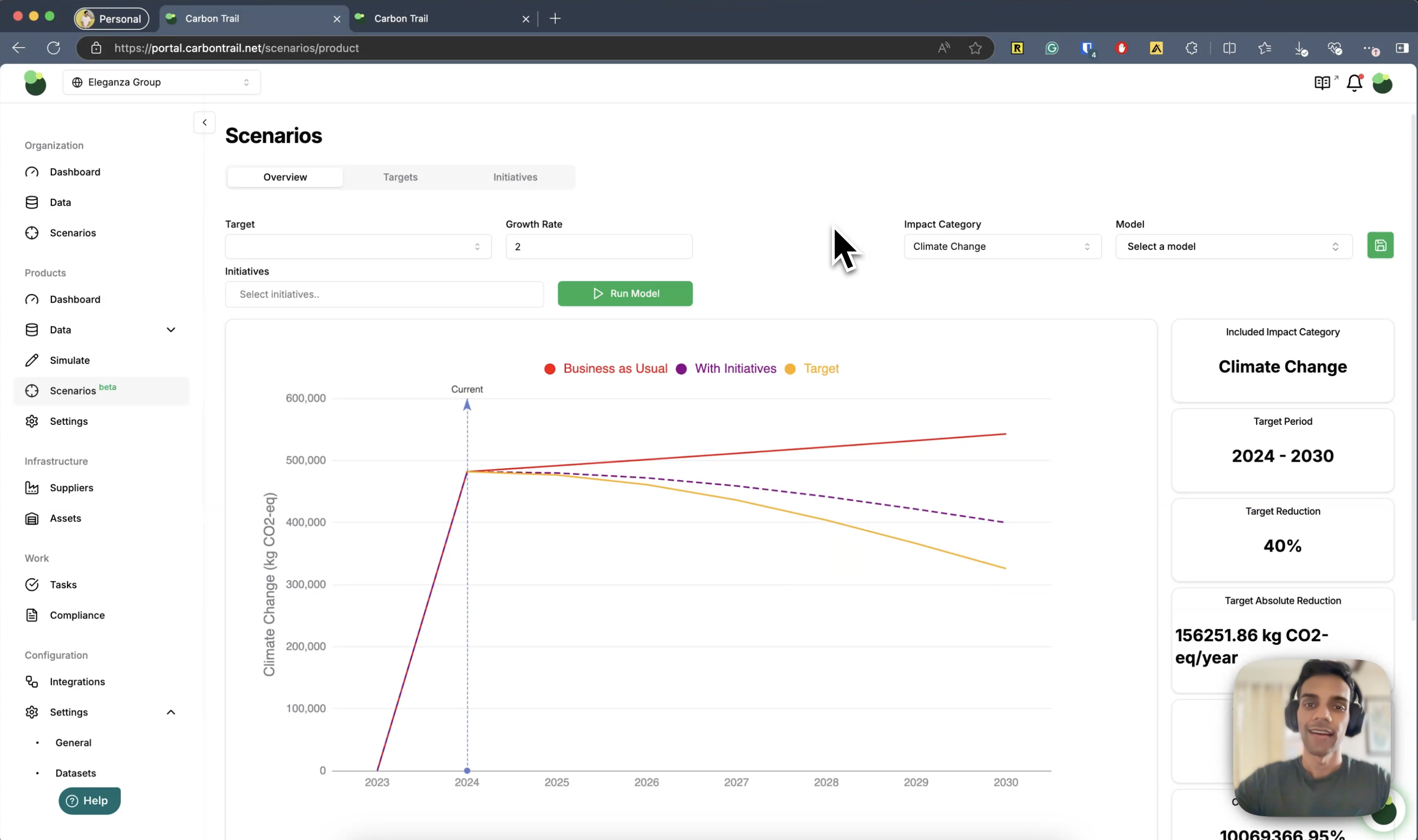
Sustainability is a journey, not a destination. While businesses set ambitious sustainability targets, turning these into measurable, actionable initiatives can be overwhelming. Complex trade-offs, long-term goals, and the lack of clear metrics make it difficult to assess the true impact of climate initiatives. To…
Introduction to NFRD Why is Non-Financial Reporting Important? Environmental, social, and governance (ESG) areas are part of non-financial reporting and are vital for transparency and accountability. In addition to the financial report, non-financial reporting enables organizations to report on their operations,…
Understanding ISO 14004 Definition of ISO 14004 ISO 14004 is one of the standards that gives direction and recommendations on the creation of an effective environmental management system (EMS) and its application in an organization. It complements ISO 14001 which provides the specifications for an EMS, though ISO 14004…
Overview of Fit for 55 Legislation Fit for 55 is a collection of measures by the EU that are designed to substantially cut down emissions of greenhouse gases. The reference levels are set for up to a 55% decrease in emissions by the year 2030 according to 1990 figures. This is a part of the grand plan the EU has for…
What Are LCA Impact Categories? Definition and Importance of LCA Impact Categories LCA impact categories are defined as different environmental effects related to a product or process over its life cycle. These categories divide the environmental consequences of the yardsticks of emissions, water usage, and toxicity to…
What is Prospective LCA? Prospective LCA Definition and Overview Comparative Life Cycle Assessment (LCA) is used in the evaluation of the probable effects of existing and planned products, technologies, or systems. The prospective LCA differs from the traditional LCA since it mainly considers the future environmental…
[caption id="attachment_7271" align="aligncenter" width="612"] ISO LCA standard aims for limited climate changing. LCA, Life cycle assessment concept.[/caption] What is Life Cycle Assessment (LCA)? Life cycle assessment (LCA) is a tool that provides information concerning the environmental load of a product, service,…
[caption id="attachment_7267" align="aligncenter" width="612"] ESG or environmental social governance. The company development of a nature conservation strategy[/caption] Overview of ESG Trends in 2025 Environment and social Governance (ESG) factors have become popular trends in managing businesses and investment…
[caption id="attachment_7262" align="alignnone" width="612"] ESG environment icon laptop.Green eco sustainability and responsibility concept banner background 3D render[/caption] What is ESG Data? Defining ESG (Environmental, Social, and Governance) Data ESG data measures how an organization stands about its…
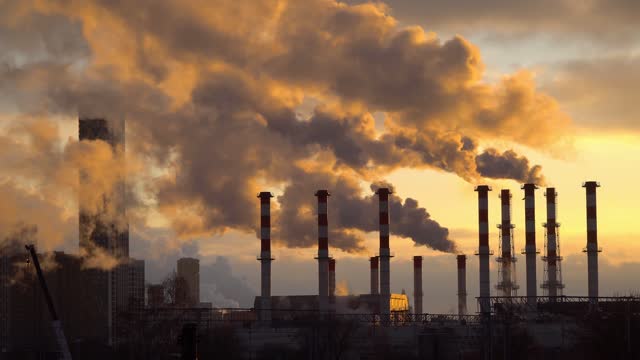
[caption id="attachment_7259" align="alignnone" width="612"] detail of white smoke polluted sky[/caption] Introduction to Scope 4 Emissions What are Scope 4 Emissions? Scope 4 emissions represent a company’s ability to urge customers to reduce their emissions caused by using the company's product. While Scope 1, 2, and…
Understanding the SBTi Corporate Net-Zero Standard The SBTi Corporate Net-Zero Standard is an internationally acclaimed reporting protocol assisting businesses in setting emissions reductions SBTarget. Its main objective is to prevent corporate climate impact from conflicting with the Paris Treaty and make sure…
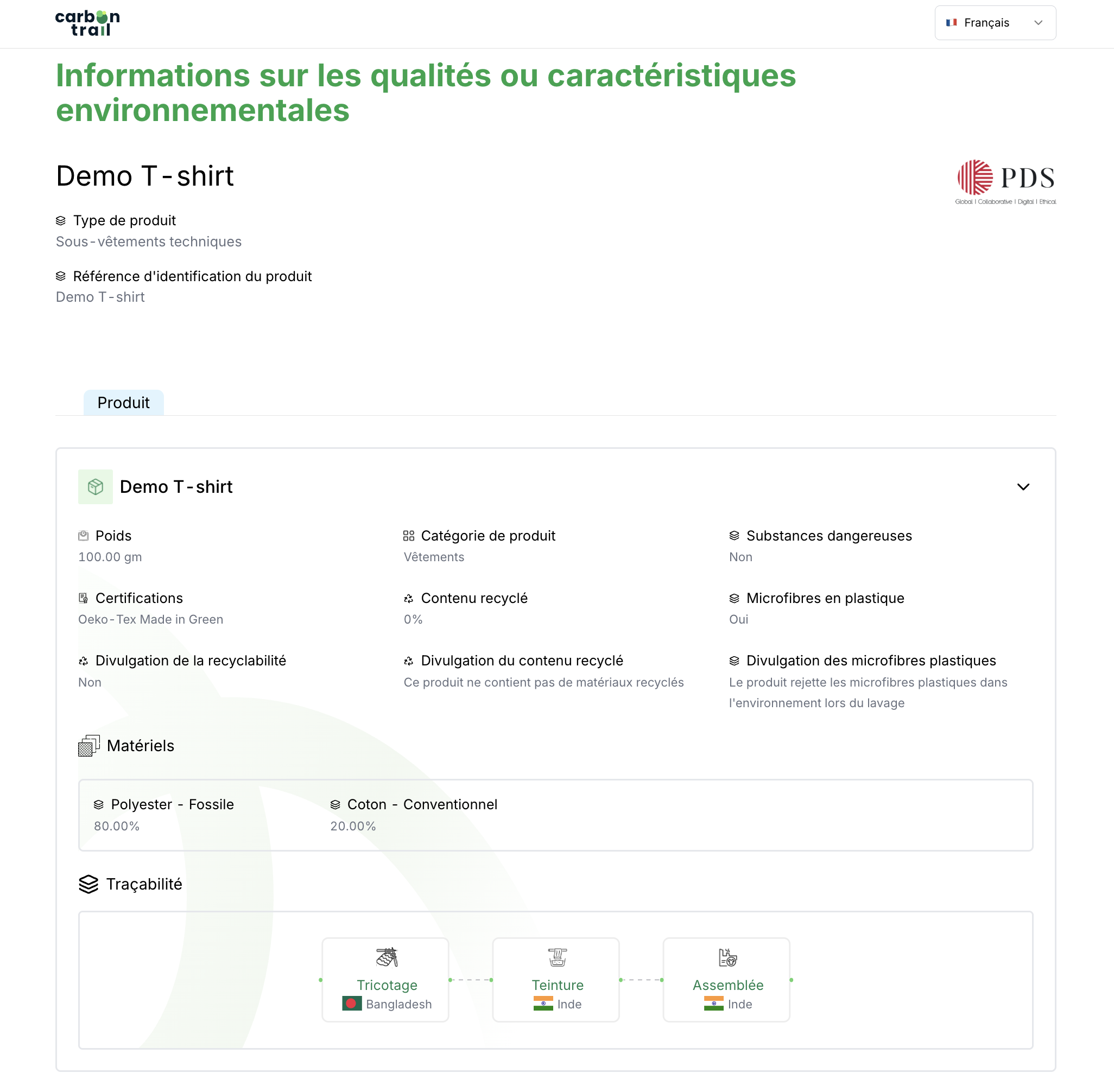
What Is a Digital Product Passport in the Textile Sector? A Digital Product Passport (DPP) in textiles is a digital registry of information regarding a product's lifecycle. It fosters accountability and traceability as it incorporates data such as the origin of raw materials, production, usage, and recycling details.…
What Is the SBTi FLAG and Why It Matters for Fashion? The Science-Based Targets Initiative (SBTi) FLAG refers to Forest, Land, and Agriculture Guidance. The goal is to guide industries like fashion and retail in managing their emissions related to land use and agriculture. Land use and agricultural emissions are the…
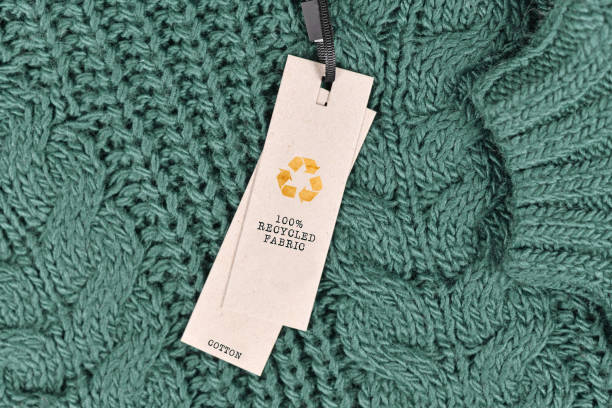
Introduction to Eco-Friendly Fashion Materials Traditional fabric materials used in fashion include conventional cotton and polyester, which are very destructive to the environment. Traditional cultivation of cotton crops involves significant use of water and toxic chemicals. This results in soil erosion and…
Understanding Sustainability in Retail The concept of sustainability in the retail industry is all about focusing on environmentally and socially sound practices. This should be done while maintaining economic growth. Retailers must make use of their resources efficiently and minimize their environmental impact. This…
What is Fast Fashion? Fast fashion is the concept where inexpensive clothing is produced at a faster rate. These clothing mirror whatever is trending at the moment. This trend took off in the late 20th century when companies came up with low-cost versions of luxury brands. This was done to keep up with the evolving…
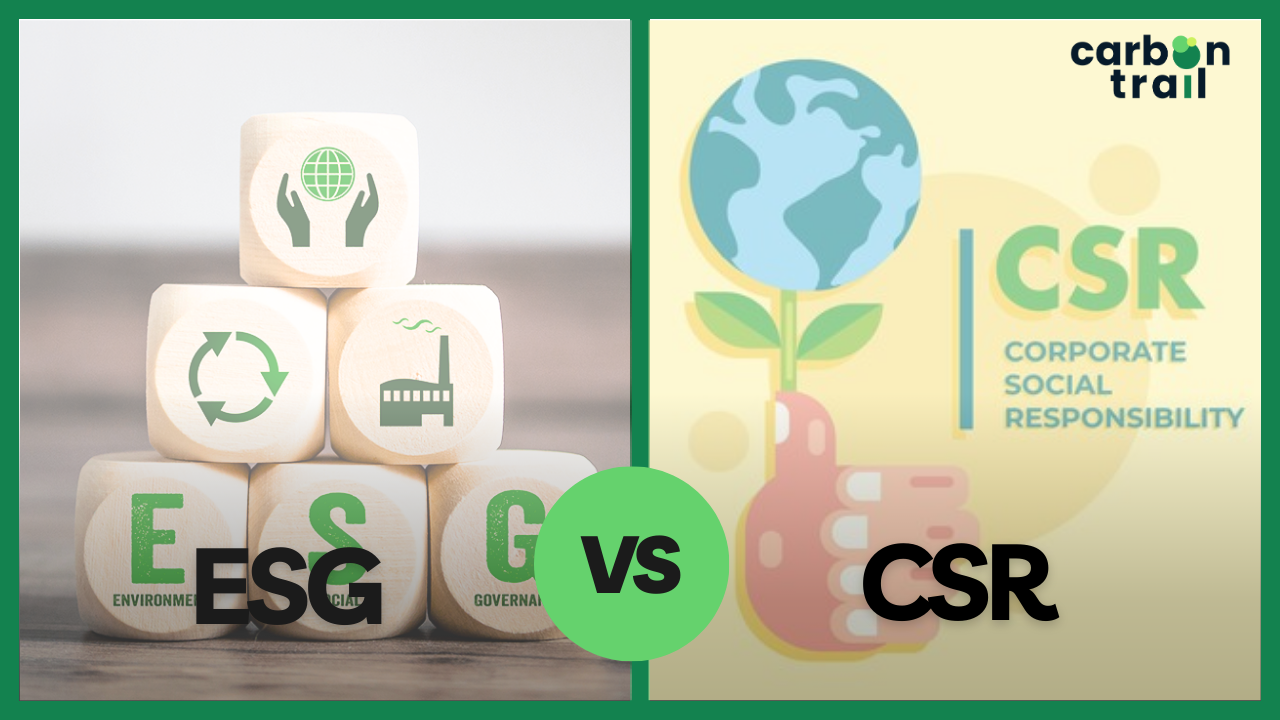
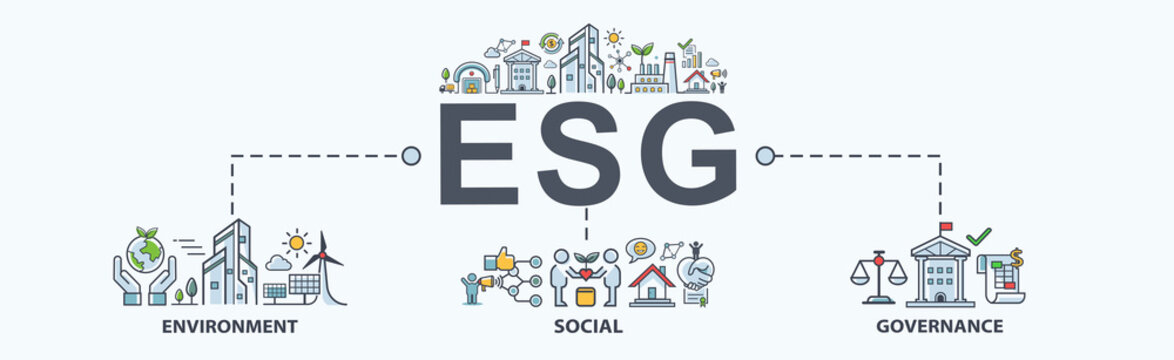
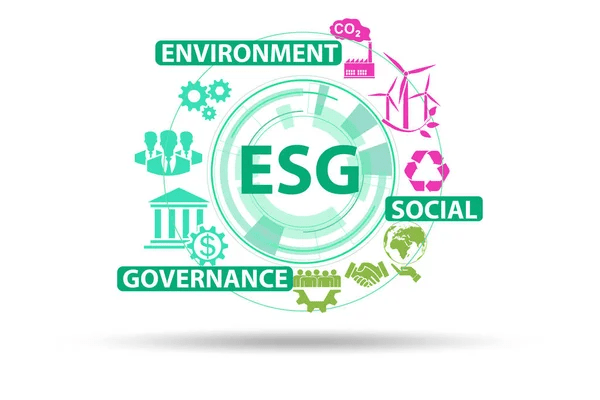
What is ESG? ESG refers to Environmental, Social, and Governance aspects or standards businesses use to estimate and manage their sustainability performance. The environmental element covers all the ways a company’s operations affect the planet. These include carbon emissions, waste, and resource use. The Social…
What is the Corporate Sustainability Due Diligence Directive (CSDDD)? The Corporate Sustainability Due Diligence Directive (CSDDD) is a significant regulatory initiative set up by the European Union (EU). The goal is to enhance sustainable business operations across various regions and industries. The emphasis is put…
What is Life Cycle Assessment Software? Life Cycle Assessment (LCA) software is significant when it comes to assessing a product or service's environmental impact throughout its lifecycle. This tool analyzes everything, from raw material extraction to production, transportation, use, and disposal. It comes with a…
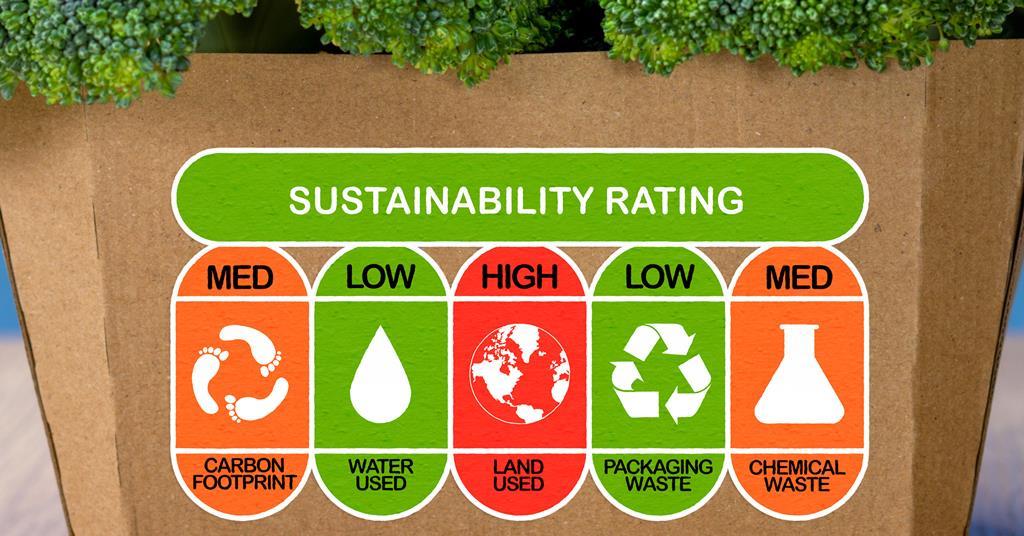
Understanding Sustainability Ratings A sustainability rating is a tool through which the environmental, social, and governance (ESG) performance of a company, product, or service can be evaluated. These ratings offer a transparent and systematic approach to measuring how sustainable an entity is, based on particular…
[caption id="attachment_6120" align="alignnone" width="1600"] Carbon tax payment as factory CO2 gas emissions charge tiny person concept. Polluted air damage pricing for greenhouse gases emitting reduction vector illustration. Pay money for fossil fuel burning.[/caption] What is the Social Cost of Carbon? The Social…
What is an Emission Factor? An emission factor provides you with a value to calculate the amount of a specific pollutant released into the atmosphere. It lets you know the average emissions from a source. These sources could be manufacturing or burning fuel. Emission factors help measure and estimate emissions from…
What is an Environmental Product Declaration? An Environmental Product Declaration (EPD) is a uniform document that provides clear and verified information about a product’s environmental impact throughout its lifecycle. It measures the environmental data concerning energy use, raw material sourcing, emissions, waste…
Carbon accounting software will be very essential in 2025, given that companies are slowly becoming eco-conscious, and so are the consumers. The software will help businesses identify ways they can use to reduce carbon emissions. It will also help them monitor the actions taken, and further report to the concerned…
How we analyze and manage risks related to environmental, social, or governance issues is very important. We are surrounded by issues concerning climate calamities, social disasters, or scandals businesses are involved in. Hence, risk management should be emphasized more and more, especially when ESG concerns keep…
What is ESG in Fashion? ESG refers to environmental, social, and governance concerns and is a structure utilized to evaluate and control the impact of sustainability on business practices. When it comes to the fashion industry, ESG comprises a range of issues: Environmental This deals with the impact of fashion…
What is Product Environmental Footprint (PEF)? The Product Environmental Footprint (PEF) is a methodology developed by the European Commission to assess and communicate the environmental performance of products throughout their entire life cycle. The PEF framework provides a standardized approach to measure various…
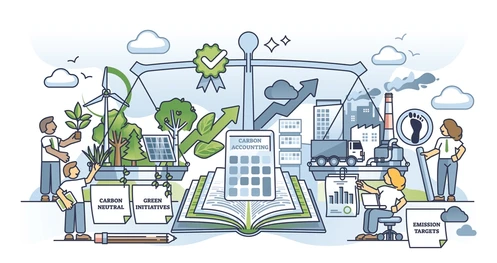
What is Carbon Footprint? Carbon Accounting, also referred to as Greenhouse Gas (GHG) Accounting, is a way through which the amount of CO2 and other GHGs emitted into the environment, can be measured and controlled. In this process, emissions are measured coming from different sources like energy usage, transportation,…
What is an ISO 14044? Set by the International Organization for Standardization (ISO), ISO 14044 is a guideline that outlines how to conduct a Life Cycle Assessment (LCA). It is a technique that helps examine the environmental impact of products, processes, or services throughout their entire lifespan, from the…
[caption id="attachment_3495" align="alignnone" width="612"] Working together[/caption] What is Fashion Life Cycle? The Fashion Life Cycle provides you insights on the entire lifetime of a fashion product through its various phases, right from its creation to its disposal. Fashion professionals, retailers, and…
Sustainability is the concept of meeting the requirements of the present without jeopardizing the ability of future generations to meet their own needs. It is a comprehensive approach to controlling resources in a way that ensures ecological balance, social justice, and economic viability in the long run. In today's…
Since 1990, carbon emissions worldwide have increased by over 60 percent. This emphasizes the urgent need for extensive measures to combat climate change. Global CO2 Emissions (1940-2023) An increase in carbon emissions results in rising sea levels, extreme weather conditions, and loss of biodiversity. It also…
Paying attention to environmental, social, and governance (ESG) concerns is critical in the constantly evolving business realm. For this, ESG Audit is a tool that supports companies in evaluating their sustainability efforts, determining improvement areas, and showcasing their dedication towards being accountable and…
As the global temperature continues to increase, Greenhouse Gas (GHG) accounting has become a crucial tool to tone it down. A 2018 report by the Intergovernmental Panel on Climate Change (IPCC) by the UN emphasized that CO2 emissions need to be reduced by 45% by 2030, with a baseline of 2010. Additionally, companies…
What is Carbon Management? Carbon management refers to the practices and plans adopted by companies and individuals to calculate, minimize, and offset their carbon dioxide (CO₂) emissions. This involves a wide range of activities to reduce the carbon footprint to lessen the impacts of climate change. According to the…
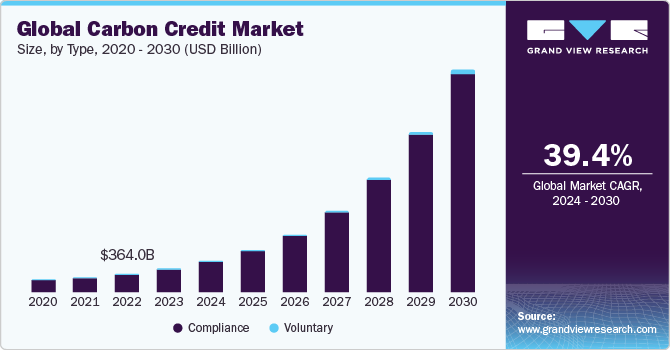
The top priority is to lower greenhouse gas (GHG) emissions, when it comes to combating climate change. Naturally, decarbonizing economies is a time-consuming transformative process. A short-term solution to this could be Carbon Credits, providing a direct path for companies to offset their emissions while they…
Climate Change appears to be a top concern for humanity at the moment. This is due to the rise in greenhouse gases (GHG) in the atmosphere, which is mainly due to human activities like burning fossil fuels, deforestation, and industrial processes. Gases such as carbon dioxide (CO2), methane (CH4), and nitrous oxide…
What is a Carbon Footprint? A carbon footprint is the total amount of greenhouse gases (like carbon dioxide and methane) generated by our actions. Whether it's the energy we use in our homes, the cars we drive, or the food we eat, every choice we make impacts the environment. Reducing our carbon footprint is crucial…
What is the Carbon Disclosure Project? The Carbon Disclosure Project (CDP) is a non-profit organization that serves as a worldwide reporting platform for investors, businesses, cities, states, and regions to monitor their environmental footprints. Established in 2000, CDP acts as a platform for organizations to report…
What is a Carbon Footprint? As we face the repercussions of climate change, it is crucial to understand, manage, and reduce our carbon footprint. A carbon footprint is the total amount of greenhouse gases (including carbon dioxide and methane) that are generated by our actions. It calculates the overall greenhouse gas…
As the impacts of climate change continue to escalate, we are at a stage where decarbonization has emerged as one of the most critical strategies in the global push to minimize greenhouse gas (GHG) emissions and mitigate global warming. According to a report by the International Energy Agency (IEA), global CO2…
As the world is increasingly learning about Sustainability, business organizations across countries are working towards minimizing their environmental impact. The fashion industry contributes around 2-10% of global greenhouse gas emissions. Hence, the need of the hour is greenhouse gas (GHG) emissions accounting…
With its vibrant and influential environment, the fashion industry is a powerhouse of creativity that drives economic growth. This evolving industry faces a significant environmental crisis, emitting around 2-10% greenhouse gas (GHG). This has called for Decarbonization, an immediate solution to the pressing issue of…
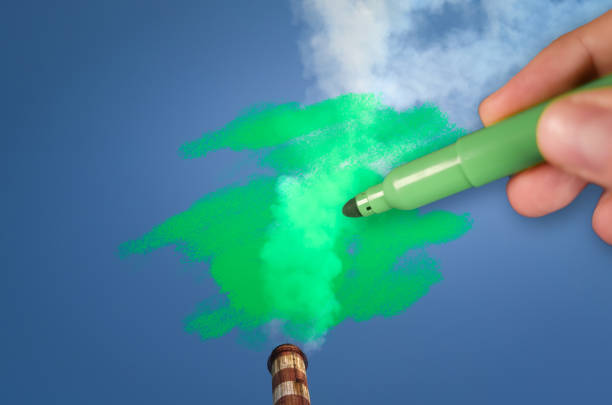
As environmental consciousness becomes more prevalent, many customers are opting for sustainable options. This shift in consumer behavior has caused a surge in advertising and marketing efforts emphasizing the environmental impact of products and services. However, not all claims of sustainability are as honest as they…
In today's world, companies are racing to make sustainability the prevailing norm. It is the new standard the consumers look at before selecting a brand. However, many brands adopt questionable marketing strategies to captivate their audience, leading to greenwashing in the fashion industry. What Is Greenwashing In…
Paul Polman, former CEO of Unilever and co-founder of Imagine, in an interview with HBR, said, “Companies are starting to understand that you need to be restorative, reparative, regenerative.” With increased awareness of climate change, sustainability, or corporate inequality, there is growing accountability and…
In the fashion industry, businesses are increasingly recognizing the importance of sustainability and are embarking on a journey to decarbonization, fuelling the demand for a robust environmental impact measurement platform. With many options available in the market, navigating through the selection process can be…
In today's world, sustainability has become a cornerstone of the fashion and retail industry. With growing environmental concerns around greenwashing and demand for eco-friendly products, measuring and mitigating product carbon footprints has become a crucial aspect of operations. The ISO 14067 standard plays a pivotal…
Lately, the fashion industry has undergone a profound shift towards sustainability, driven by increasing consumer awareness and environmental concerns. As brands strive to minimize their ecological footprint and accelerate the sustainability of fashion, one technology has emerged as a powerful ally in this endeavour:…
Consumers in the fashion industry are showing a growing preference for sustainable products. Additionally, regulators are introducing new rules and laws that will force the apparel and footwear industries to reduce the environmental impact of their production methods. Sustainability has become a pivotal issue for the…
The fashion industry has long been flying under the radar of regulations when it comes to greenwashing. The few regulations that do exist aren't enforced very well and haven't brought about significant changes, even though many well-known companies like Allbirds, Pangaia, etc. have been labelling their products as…
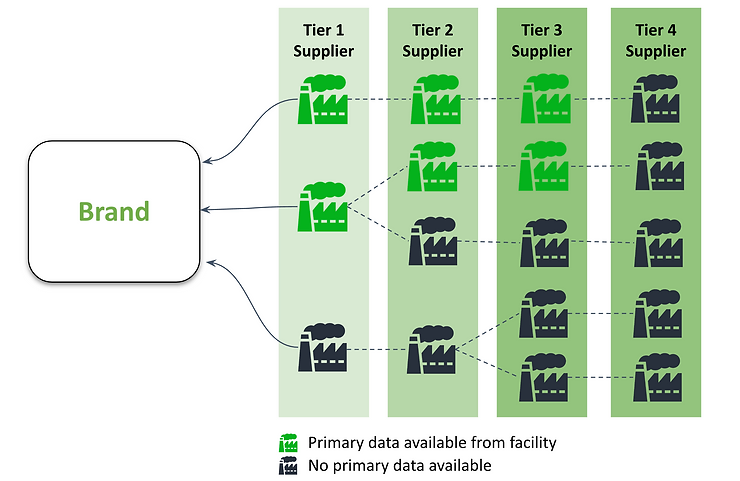
In an earlier blog, we covered Why Scope 3 Accounting is Broken in the Fashion industry. One of the primary reasons is the lack of primary facility data due to limited traceability in the supply chain. However, as regulatory pressure is mounting in the fashion industry, many fashion players have started to collect…
Last week, Carbon Trail became one of the first few Life Cycle Assessment solutions to be declared as PACT conformant. This implies that we adhere to the technical specifications published by the Partnership for Carbon Transparency, PACT which is the global standard for calculating and exchanging Scope 3 data across…
The term sustainability is often misused by the fashion industry termed as "Greenwashing" and has been used to highlight environmental benefits in different contexts e.g., natural fibers, recycled materials, made-to-order, etc. It is a challenge to truly substantiate how much your product is ‘better’ than the…
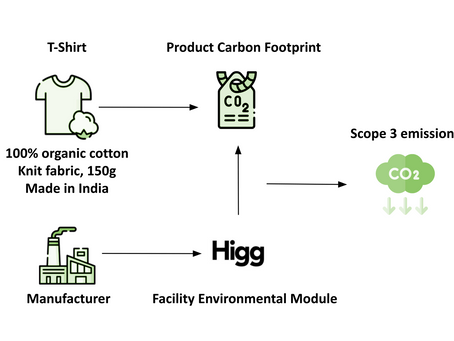
In an earlier post, we covered the reasons why Scope 3 accounting is broken in the fashion industry. As the industry looks for solutions, an answer that's been emerging is the use of Product Carbon Footprint (PCF) or Life Cycle Assessment (LCA) for Scope 3 emissions accounting. A PCF is a means to measure and…
With an estimated value of $3 trillion, the fashion industry is estimated to produce 10% of the total global emissions and is the second-largest polluter in the world. It has been estimated that it will become 50% larger in the next 8 years. As much as 75% of these emissions are from tiers 1-4 of upstream supply chain…

![[Guide] Actionable Strategies to Decarbonize Fashion](https://cms.carbontrail.net/api/media/file/Decarbonization.png)