Introduction to Ethical Fashion
Ethical fashion is not a temporary notion but a practice of producing clothing items free from violations of people, animals, and the environment. It is devoted to fair trade business, protection of the environment, and respect for human rights in chain production. In simple terms, ethical fashion guarantees that workers are paid reasonable wages, work under safe conditions and are respected. At the same time, it works to minimize or have little impact on its environment by using eco-friendly fabric and manufacturing processes. For example, ethical fashion brands like People Tree have pioneered this approach by working with Fair Trade producers to empower producers and workers. Through the question: What is ethical fashion? Consumers begin to realize that it is a process of changing the industry intentionally and gradually making it less destructive to the environment.
The Importance of Ethics in Fashion
The fashion industry is ranked as one of the main polluters on the planet, releasing 10% of overall carbon emissions and harming water sources. Ethical fashion empowers these aspects because it emphasizes the minimization of wastage, the use of sustainable materials, and the conservation of energy. In addition to environmental issues, ethical fashion also addresses labor rights violations common in the fashion industry, where workers make barely $2 a day. Another important factor is that of the animals. Some of the conventional leather production, for instance, involves the killing of animals and the use of chemicals that pollute water resources. Some companies such as Stella McCartney have provided an insight into how fashionable and ethical the two can be, with creations that are both humane to animals and the environment. Fashion and ethics should be a priority for both the consumers and the brands to make the industry more compassionate.
Examples of Ethical Clothing Brands
Several brands have become leaders in the ethical fashion movement, demonstrating how it is possible to balance style with sustainability and social responsibility. These brands set examples by incorporating fair labor practices, using eco-friendly materials, and minimizing their environmental impact. Some well-known ethical fashion brands include:
- People Tree: A pioneer in Fair Trade fashion, People Tree creates beautiful clothing while empowering producers in developing countries and supporting sustainable practices.
- Patagonia: Known for its commitment to fair labor practices and environmental protection, Patagonia is a leader in sustainable production and transparent supply chains.
- Stella McCartney: A luxury brand that has long championed cruelty-free fashion, using vegan and eco-friendly materials while maintaining high design standards.
- Reformation: This brand uses sustainable materials and energy-efficient processes, focusing on creating fashion that is both trendy and environmentally conscious.
- Veja: A sneaker brand that uses organic cotton, wild rubber, and other sustainable materials while also ensuring fair wages for its workers.
- Matt & Nat: A vegan fashion brand that specializes in accessories made from eco-friendly materials, demonstrating that stylish products can be cruelty-free and sustainable.
Key Elements of Ethical Fashion
Fair Labor Practices
Fair labor practices, therefore, stand as the basis of ethical fashion practices. Employment in garment industries is characterized by risks and dangers at the workplace, as well as low pay. Ethical brands neutralize it through the determination of reasonable and equal wages, free-from-harm working environments, and clear supply chains. Example: Patagonia is a perfect example of this principle, since the company discloses most of the suppliers that it works with and guarantees that the rights of the workers are observed. Also, any product that has been certified or accredited by Fair Trade International assures consumers that the product must have undergone certain social and environmental tests. Ethical fashion not only gives a chance to workers to choose better for themselves, but also brings positive changes throughout the chain.
Sustainable Materials and Production Methods
To their credit, ethical fashion favors sustainable resources such as organic cotton, bamboo, hemp, etc. that are less water-intensive and use fewer chemicals than conventional ones. Recycled materials like polyester from plastic bottles contribute to the reduction of landfill waste and enable circularity. For instance, the generation of one kilogram of conventional cotton uses more than 20,000 liters of water, which is drastically reduced by organic cotton. Eileen Fisher and Reformation are examples of fashion brands that incorporate sustainable materials and consider ways to reduce the carbon footprint during production. Thus, these brands, by associating themselves with fashion and ethics, support sustainable living and demonstrate that fashion can go hand in hand with sustainability.
Animal Welfare in Fashion
Animal welfare is a vital aspect of ethical fashion. Conventional leather, fur, and silk production exploits animals and harms ecosystems. Ethical alternatives like plant-based leather made from cactus or mushroom leather reduce animal cruelty and have a lower environmental impact. For instance, brands like Matt & Nat create stunning vegan bags and shoes without using animal products. Similarly, Veja, a sustainable sneaker brand, avoids animal-derived materials and sources organic cotton and wild rubber from ethical suppliers. These efforts demonstrate that ethical fashion isn’t just about humans and the environment—it’s also about treating animals with respect and care.
Challenges to Ethical Fashion
The Fast Fashion Industry
Fast fashion uses cheap materials to create quick trends, disregarding ethics and sustainability. Brands like Shein and Zara prioritize speed and scale, ignoring ethical wages and environmental impacts. Fast fashion exploits labor, overproduces, and uses harmful fabrics like polyester, comprising 52% of global fibers. The world produces 92 million tons of textile waste annually due to disposable clothing production systems. Ethical fashion cannot compete with this fast and cheap process of manufacturing, which brings out a crucial challenge for transformation.
High Costs of Ethical Production
Ethical fashion is expensive due to fair wages, eco-friendly materials, and certifications like Fair Trade or GOTS. Organic cotton is costlier due to labor-intensive growing and lower yields than conventional cotton. Ethical brands like Stella McCartney set high prices, making them unsuitable for price-sensitive shoppers. Consumers used to $10 fast fashion may resist paying $50 for ethically made clothing. Ethical fashion faces high prices, making it inaccessible for many and highlighting exclusivity issues.
Consumer Behavior and Awareness
Consumer demand for cheap, trendy clothing perpetuates unethical practices. Many shoppers prioritize affordability and style over ethics, either due to financial constraints or lack of awareness. A 2021 survey by McKinsey found that while 67% of consumers expressed interest in sustainable products, only a small fraction translated this into action, citing cost as a barrier. Additionally, greenwashing—misleading marketing that overstates a brand's sustainability—confuses consumers, making it harder to identify truly ethical brands. Fashion Revolution's "Who made my clothes?" movement raises awareness, but significant consumer behavior shifts are still needed.
Can Ethical Fashion Truly Exist?
The Ideal vs. Reality
Perfect ethical fashion is still a reality in a world of globalization and increased focus on monetary gain. Supply chains are long and global, with different countries having different laws on the employment of workers and environmental standards. Some ethical brands, however, might also deal with suppliers who may not conform to all ethical aspects. Everlane focuses on transparency and fair treatment but faces criticism for lacking environmental concern. This indicates that it is almost impossible to attain a zero-tolerance policy towards ethical violations concerning business operations. Sustainability and profit coexist but achieving complete ethical practices remains a constant challenge. But when it comes to ethical fashion, it’s not about achieving the ultimate goal, it is about evolution. Combining fashion and ethics gives brands a competitive edge while pushing them to stay observant.
Moving Towards a More Ethical Future
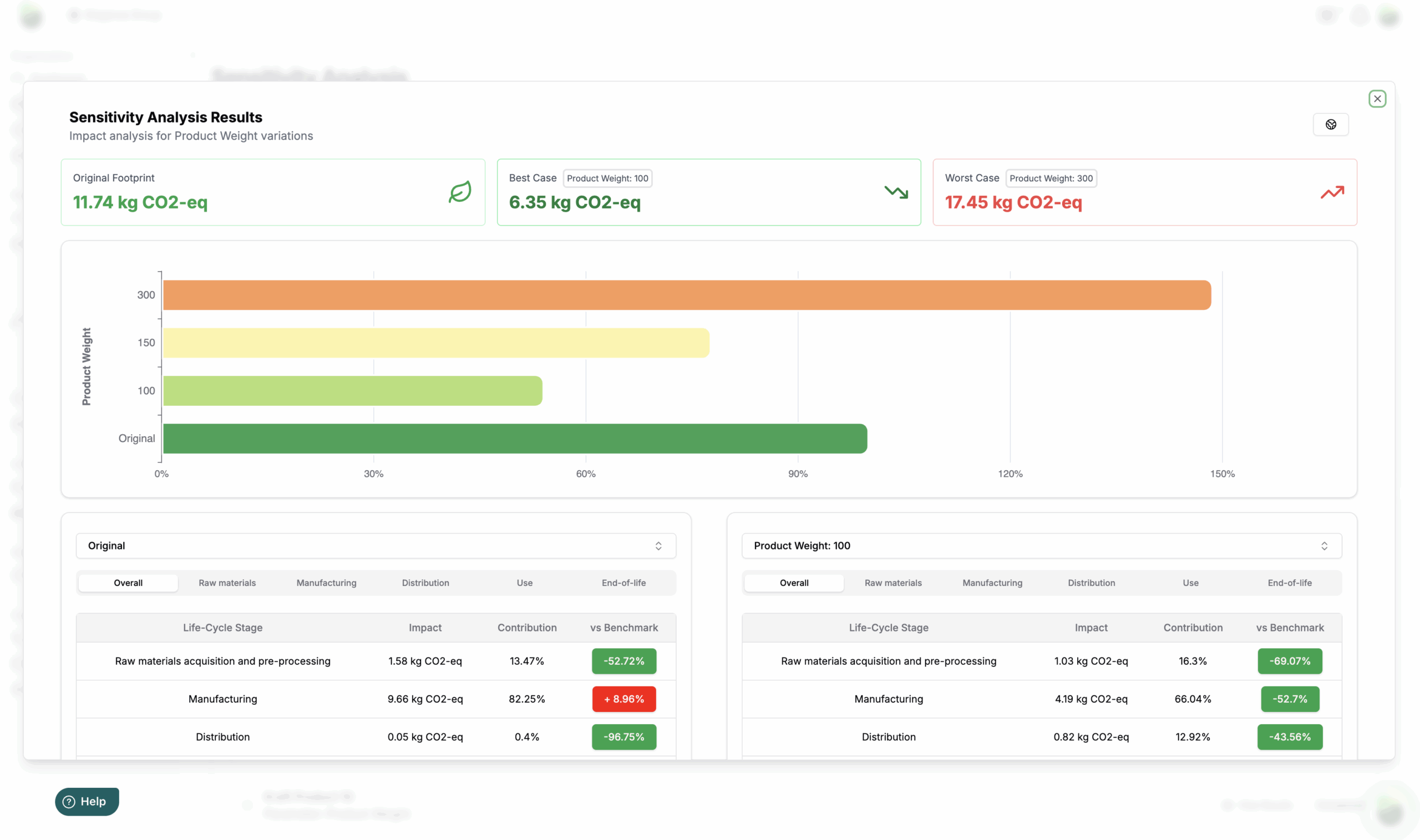
The Fashion industry is not stagnant, and it is developing intensively. Fashion companies are exploring sustainable product materials, circularity, and supply chain solutions like bio Leather, circular fashion systems, blockchain, etc. For instance, Stella McCartney was the pioneer whose brand started using materials such as mushroom leather and embracing regenerative farming. Certifications like B Corp, GOTS, and PETA Approved Vegan offer meaningful guarantees to conscious buyers. Fashion Pact, with 250+ brands, focuses on cutting carbon footprints, habitat rebuilding, and marine preservation. Consumers also need to be equally involved in the change process. This can be achieved through the choice of ethical brands, demanding greater transparency, or being into slow fashion. With a suite of tools, such as Carbon Trail, businesses can identify and minimize their environmental footprint towards the achievement of sustainability strategies. Ethical fashion remains elusive but is closer thanks to efforts by brands, consumers, and organizations.
Conclusion
The ethical fashion industry faces significant challenges, from the dominance of fast fashion to the higher costs of sustainable production. Yet, these challenges present opportunities to innovate and reshape the future of fashion. Brands use bio-based materials, Carbon Trail, and circular models to reduce footprints and extend garment life. Consumers hold immense power in this transformation. Every purchase supports brands prioritizing fair labor, sustainability, and transparency, driving demand for ethical practices. Brands, in turn, must step up with greater accountability, honest communication, and real action rather than greenwashing.