Introduction to Fugitive Emissions
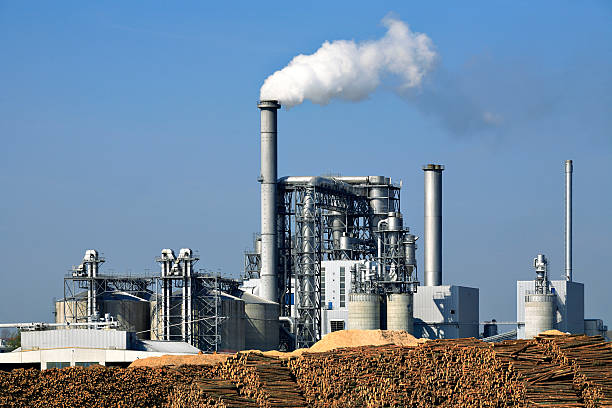
Fugitive emissions refer to the uncontrollable emissions of grouped and individual gases that come as by-products of industrial processes or are affected by facility leakage, such as pipelines, tanks, and valves. Fugitive emissions are also more difficult to control than emissions that are deliberately emitted during industrial processes, such as exhaust gases. Natural gas leakage is one of the most well-known sources, representing one of the greatest sources of methane emissions. Natural gas, of which methane is a major component, is a potent greenhouse gas that can be emitted during extraction, processing, and pipeline transportation of natural gas. For instance, the IEA says that methane contributes to about 30% of the increase in the present global temperatures. Other examples include emissions from chemical manufacturing plants which release Volatile Organic Compounds (VOCs) into the atmosphere, and refrigeration systems which release Hydrofluorocarbons (HFCs) due to leakage. These emissions may appear insignificant as single incidences, but considerably affect the world’s climate, as well as the air we breathe in.
Why Fugitive Emissions Knowledge Is Important
Fugitive emissions also are known to cause havoc on the environment and climate of the specific area in which they are released. For instance, methane is 25 times as effective as CO2 in contributing to the greenhouse effect and has a Global Warming Potential (GWP) of 100 according to the EPA. This is why even the smallest leak may cause a major problem. Reduction of fugitive emissions benefits sustainability goals such as reaching net-zero and the Paris Agreement for emissions reduction. Excluding these emissions not only damages environment-focused initiatives but also might attract severe punitive measures from governments globally who are increasingly enhancing climate commitments. Furthermore, fugitive emissions control is not only about conforming to the set requirements. First, it fulfills the aspect of corporate social responsibility, second, it helps minimize air pollution, and third it helps control wastage of resources leading to increased operational effectiveness.
Sources of Fugitive Emissions
Industrial Sources
Oil and Gas Operations
One of the main concerns with natural gas is that it often leaks during the process of extraction, processing and transportation. Such leakage may occur mainly through unsealed storage tanks, pipelines, and other faulty equipment. The US oil and gas industry released more than 13 million metric tonnes of methane in 2021, the same as 70 million cars.
Chemical Manufacturing Plants
Factories that manufacture chemical products such as fertilizers, plastics, solvents, and others emit VOCs into the atmosphere. These emissions are known as the main causes of air pollution and smog formation. For example, ethylene production is responsible for millions of tonnes of VOC emissions per year.
Coal Mining
Methane forms within underground coal seams and is released into the atmosphere during the mining process. Known as coal bed methane, this is a substantial source of global climate change impact. The Global Methane Initiative reported that coal mining emitted 10% of methane in 2020.
Non-Industrial Sources
Landfills
Biodegradation of organic waste in the landfill generates methane, an effective greenhouse gas. Thus, Landfills have been found to be the third most predominant source of methane, a major contributor to climate change. Methane can be utilized for energy production, according to California’s Landfill Methane Rule, through capturing systems.
Agricultural Practices
The cattle, for instance, through enteric fermentation and manure management, release methane in livestock farming. It gives rise to forty percent of the related greenhouse gas emissions by agriculture globally, as estimated by the FAO. These emissions can be mitigated by sustainable farming practices for farming and the generation of renewable energy.
Refrigeration Systems
Refrigeration and air conditioning leakage always emit hydrofluorocarbons (HFCs), gases that are several thousands of folds worse than CO2 in terms of global warming impact. These emissions can be lowered by prompt maintenance and by using environmentally friendly refrigerants also known as low-GWP refrigerants.
Environmental Impact of Fugitive Emissions
Contribution to Greenhouse Gases
Fugitive emissions significantly contribute to global greenhouse gas levels, with methane being a primary culprit. Methane has a global warming potential (GWP) 84–86 times higher than CO2 over 20 years, making even small leaks incredibly impactful. For example, methane emissions from oil and gas operations alone account for 25% of global anthropogenic methane emissions, according to the International Energy Agency (IEA). In addition to methane, fugitive emissions often include other harmful gases like VOCs (volatile organic compounds) and CO2. VOCs not only trap heat in the atmosphere but also contribute to ground-level ozone, a key component of smog, exacerbating the effects of climate change. Together, these gases amplify the warming effect, accelerating the climate crisis.
Threat to Air Quality and Public Health
Fugitive emissions are one of the most significant threats to air quality and health. The chemical plants, vehicle emissions, and other landfills emit VOCs that, when mixed with nitrogen oxides in the atmosphere, cause ground-level ozone. This process causes an increase in smog formation that causes respiratory diseases such as asthma and bronchitis. According to the WHO, air pollution is estimated to claim seven million lives every year, though fugitive emissions go unnoticed. Furthermore, methane leaks are usually uncontained and many people may spend long hours exposed to the flammable and toxic gases. People living close to industrial sites seem to experience respiratory problems and many other related diseases more often, and this makes the situation require serious attention.
Strategies to Reduce Fugitive Emissions
Detection and Monitoring
Techniques used to detect as well as monitor fugitive emissions remain crucial in dealing with these emissions. Optical Gas Imaging (OGI) uses infrared cameras and sensors that are instrumental in detecting invisible leaks in the gaseous pipeline. For example, the application of methane-sensing drones in oil fields has dramatically decreased the time necessary for identifying leaks to speed up interventions. Health monitoring processes, for instance, quality monitoring units installed in ExxonMobil facilities, have helped curb methane emissions by 30% in 2016–2020 pledges ever since the need to embrace sophisticated tools.
Preventative Measures
One of the most efficient methods to address the problem of fugitive emissions is to improve the quality of equipment and facilities. Fluctuating water levels, aging pipelines, inadequately sealed storage tanks, and old machinery are some of the causes. The level of emissions can be significantly reduced simply by replacing antiquated equipment with contemporary valves, gaskets, and seals. Both routine maintenance and regular inspection are equally important. Maintenance programs, such as those of Chevron’s Leak Detection and Repair (LDAR), demonstrate 90% actual reductions in fugitive VOC emissions as well as providing a return on investment.
Policy and Regulations
Robust governmental policies are essential to controlling fugitive emissions. Regulations such as the Environmental Protection Agency’s New Source Performance Standards (NSPS) in the U.S. mandate leak detection and repair for oil and gas operators, setting strict limits on methane emissions. Countries like Norway and Canada have implemented stringent methane reduction targets, aiming for 40-45% cuts by 2025, aligning with global climate goals. Industry standards and best practices also play a key role. OGCI promotes shared technologies and collaboration to reduce fugitive emissions across industries. Strong enforcement of policies, combined with corporate accountability, ensures that emission reductions remain a top priority.
Why Fugitive Emissions Matter in Sustainability Efforts
Their Role in Achieving Climate Goals
The contribution of fugitive emissions is significant in realizing set climate change targets in the global arena. Methane has 26 times the global warming potential of CO₂ over 100 years. Sulphur and nitrogen emissions from power plants need to be minimized to achieve carbon-neutral goals. For instance, the oil and gas industry accounts for approximately 29 percent of emissions of methane worldwide. Leak detection systems and better practices lower emissions and ensure compliance with the Paris Agreement.
Economic and Environmental Benefits
Mitigating fugitive emissions has benefits concerning both economic profitability and environmental sustainability. Preventive maintenance and repairs in industrial systems significantly reduce costs and prevent leaks. The U.S. EPA estimates fixing methane leaks could save the oil and gas industry $1.8 billion annually. Addressing fugitive emissions avoids penalties as global regulations tighten. Firms investing in emission reduction often see improved brand image and reputation. Patagonia builds trust with transparent and sustainable practices, highlighting sustainability's role in customer loyalty. Emission cuts improve air quality, benefiting living organisms and neighborhoods near factories.
Conclusion
Fugitive emissions are an often overlooked but crucial factor in sustainability. Fugitive emissions significantly contribute to greenhouse gases while offering economic and environmental opportunities. Achieving sustainability goals requires collaborative efforts across industries, governments, and communities. Solutions like Carbon Trail are pivotal in this journey, helping organizations monitor, measure, and manage emissions effectively. Advanced tools and technologies help reduce emissions, ensure compliance, and drive environmental progress. Tackling fugitive emissions enables a greener economy and promotes collective action for sustainability.