
Eco-design software for lower-impact fashion and footwear.
Built for retail design, product development and sustainability teams. Model environmental impact before production, change materials, processing, packaging and compare lower impact alternatives.
Eco-design modelBaseline ready
Try an eco-design changeSelect any combination and watch the footprint respond.
MaterialConventional cotton420 g · primary shell
ManufacturingConventional dyeingGrid electricity · India
PackagingVirgin polybag + carton164 g packaging
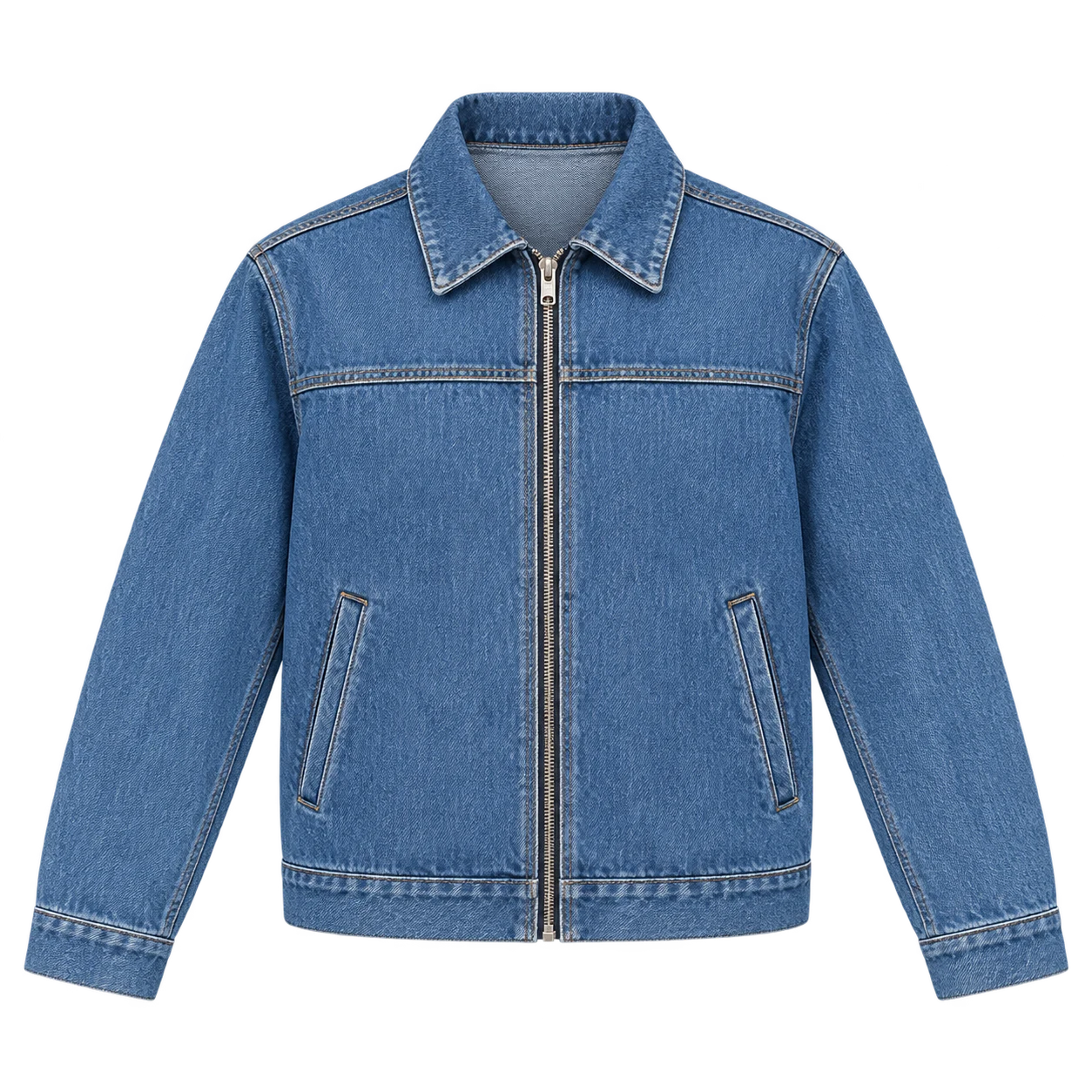
Baseline productChoose a change above to begin
Total climate impact
18.40kg CO₂e
BaselineStart either way
Create the product step by step, or import an existing bill of materials from your PLM or data files.
Model alternatives
Fork the baseline without overwriting it, so every proposal remains visible and comparable.
Understand the why
Use AI analysis to trace differences back to specific materials, processes, suppliers and assumptions.
Design every layer
Work at whole-product, fabric, footwear-component, packaging and trim level.
Trusted by fashion and retail teams












ESPR is turning eco-design from ambition into a product requirement.
The EU Ecodesign for Sustainable Products Regulation establishes a framework for product-specific rules. Delegated acts will define which requirements apply to each product group—including durability, repairability, recycled content, environmental footprint information and Digital Product Passports where relevant.
Carbon Trail supports product modelling, evidence and scenario comparison. Your organisation and advisers remain responsible for applicability, legal interpretation and final compliance decisions.
Read the European Commission overviewFrom policy to productEU eco-design framework
ESPR- 2024Framework regulationESPR entered into force and established the rule-making framework.
- NextProduct-specific rulesDelegated acts define applicable requirements, methods and transition periods by product group.
- DesignEvidence in the workflowModel durability, material and impact decisions while the product is still editable.
- ShareConnected product informationCarry governed product data into reporting and Digital Product Passport workflows.
Start with a blank canvas—or the product you already make.
Both routes arrive in the same editable product record. Inputs retain their source and evidence status, so a design change never erases what the baseline was built from.
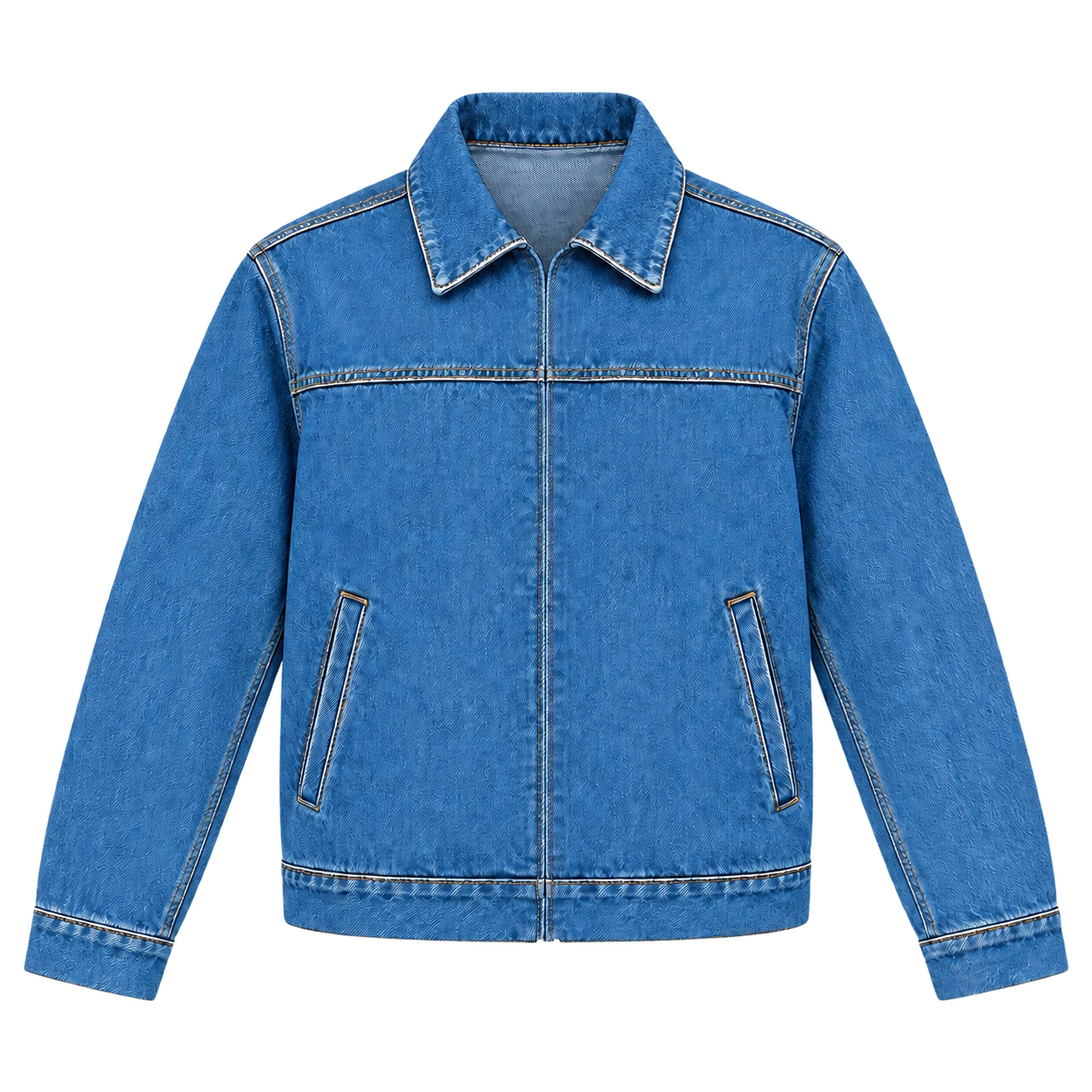
Building a jacket from scratch
Start with the jacket shell1 of 5
Live footprint9.20 kg CO₂eShell only
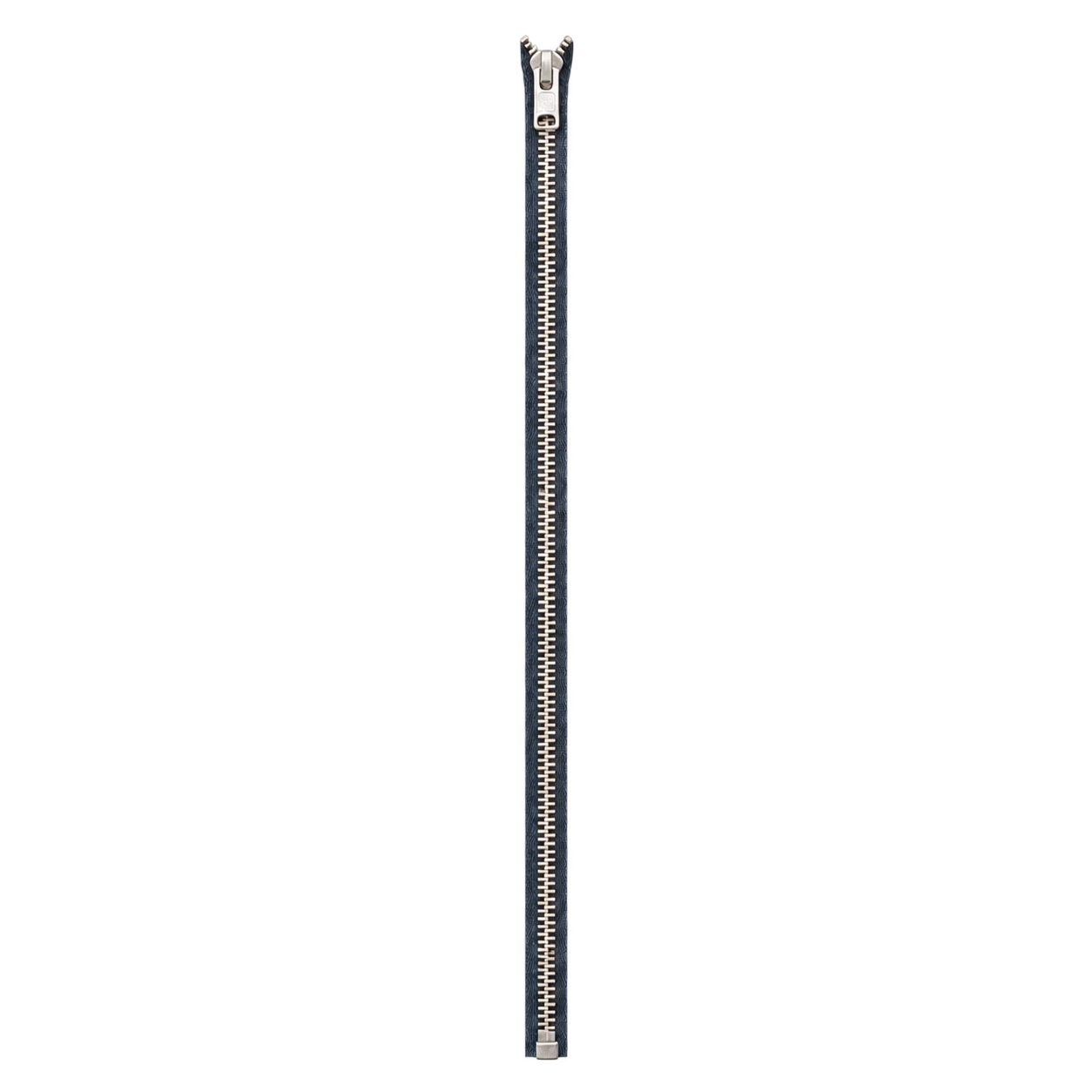 Zipper
 Brand label
 Packaging
Total climate impact
9.20kg CO₂e
Shell onlyComponent addedJacket shell · cotton denim
The footprint starts with material and manufacturing inputs, then updates as each component joins the product.
Build alternatives without losing the baseline.
Fork a product, change the decisions you want to test and compare every lifecycle stage side by side. Select an alternative to see the AI analysis update.
Scroll horizontally to inspect all alternatives.
8.8
5.9
7.0
9.7
9.1
8.2
1.6
1.1
0.8
1.7
1.7
1.4
Eco-design the parts, not just the finished product.
Create reusable component footprints for fabrics, footwear parts, packaging and trims. Update a component once and see its effect across every product that uses it.
Component footprint record
FBFabric 318Fabrics
MaterialProcessSupplierFabrics · Product dataFibre blend80% recycled cotton · 20% cotton−18% Fabric formationOpen-end spinning · woven−7% Wet processingLow-liquor dyeing−11%
Rebuild a fabric before it reaches the style.
Compare fibre blends, fabric formation, dyeing, finishing, supplier energy and geography as one component footprint.