
Digital Product Passports for the United States.
Publish one governed record for product impact, traceability, certifications, circularity and care—shaped for the requirements relevant in the United States and for your brand.
United States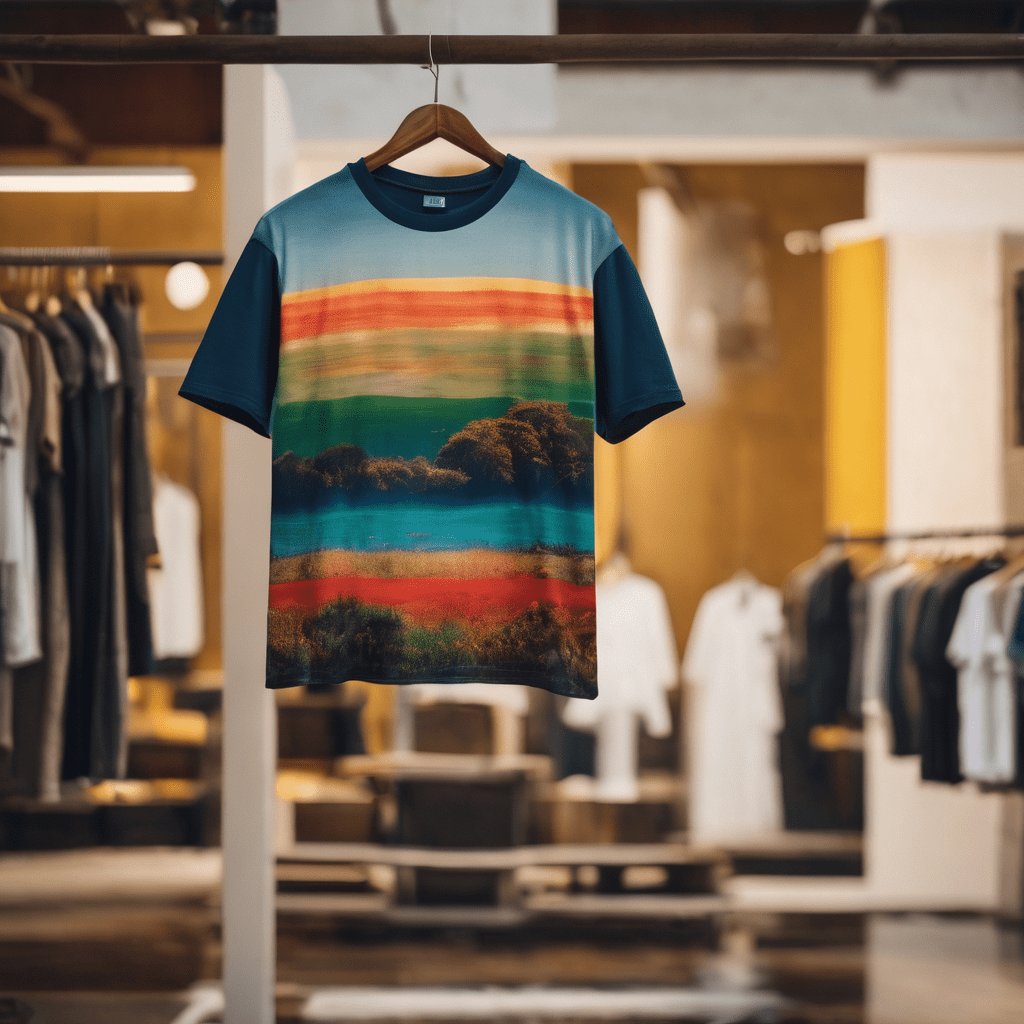
Apparel
Cleo t-shirt
SKU# Cleo-1M90% Linen 6% Cotton 4% Polyester
OEKO-TEX Standard 1007.01kg CO₂-eqManufacturing · 65%
TraceabilityIndia → China4 linked production stages
Circularity & care59% recycled packagingCare and end-of-life guidance
ThemeEleganzaCustom
Eleganza custom theme selectedTrusted by fashion and retail teams












From governed product data to a passport ready to publish.
A DPP is only as credible as the records behind it. Carbon Trail brings product, supplier, footprint, certification and circularity information into one reviewable model before anything reaches the public page.
- Product Identity, composition, weight and packaging
- Impact Product LCA results and lifecycle hotspots
- Evidence Supplier records, traceability and certifications
- Publishing Theme, language, QR and API outputs
Cleo t-shirtPassport publishing record
Ready to publishDigital Product PassportEleganza · Cleo-1MAudience access rules · Custom theme
Control what each audience can see.
Publish from one governed DPP record while assigning the right information to consumers, regulators and repair or circularity partners. Public answers stay simple; controlled data remains available to the appropriate roles.
Cleo t-shirtAudience visibility
One governed recordChoose access by role and information group.Each audience receives a useful view without exposing the entire product record.
| Information group | Consumer | Regulator | Repair & reuse |
|---|---|---|---|
| Product identity | Public | Full | Full |
| Impact & materials | Summary | Full | Relevant data |
| Compliance evidence | Selected | Full | As required |
| Care & repair | Guidance | Reference | Service detail |
Product identity, composition, impact summaries, certifications and care guidance.
Detailed material data, compliance evidence, declarations and traceability records.
Components, repair guidance, disassembly information and end-of-life routes.
Start with a preset. Finish in your own visual language.
Choose from ready-made themes or create a custom system for your public passports. Control the canvas, surfaces, text, borders, progress and pattern details while a live preview keeps the result visible.
Compare the Carbon Trail presetThemeChoose a preset or create a custom theme.
+ Create custom themeCustom themeEleganzaCustom palette and surfaces
Page background#F7F3EEPrimary#A45232Accent#678C4B
Build for the disclosure rules already here—and the DPP requirements taking shape.
Carbon Trail keeps market requirements distinct, so product teams can publish what applies today while preparing the same governed record for future DPP obligations.
 European Union
ESPR Digital Product Passport
ESPR establishes the EU framework for DPPs. Textile apparel is a priority product group; textile-specific requirements will be defined through a future delegated act, currently planned for adoption in Q4 2027.
European Commission guidance France · In effect
AGEC product information
France’s AGEC framework and Decree 2022-748 require covered producers and importers to publish specified environmental qualities and characteristics on a free, dedicated product page.
Read Decree 2022-748Put the passport wherever the product travels.
Give each article a persistent public page, connect it through a QR code, link it from ecommerce and deliver the same structured information to other systems through an API.
Scan product passportCleo t-shirtEleganza · Cleo-1M
The same product workflow, adapted for the United States.
Keep one governed source of product and emissions data, then apply the national market context your team needs. Requirements can change without fragmenting the calculation or evidence beneath them.
United States market viewNational scope
Shared product workflowDigital Product PassportProduct · supplier · evidence
United States
Textile laws and regulations in the United States
Track current fashion and retail regulation updates across the United States and understand what they may mean for your brand.
Digital Product Passport questions for United States
Common questions from fashion and retail teams preparing Digital Product Passports in United States.
Request a DemoWhat is the digital product passport?
A Digital Product Passport (DPP) is a digital record containing detailed information about a product, its lifecycle, and sustainability characteristics. This includes everything from the origin of the product, environmental impact, and disposal recommendations for consumers.
What is digital product passport for textiles?
Textiles are the most regulated by the Digital Product Passport (DPP) regulations. Digital Product Passport (DPP) regulation could enhance textile industry traceability, circularity, and transparency.
What are the challenges of digital product passport?
Key challenges include:
How to implement DPP?
Key steps to successfully implement DPP for your retail products in the United States:
What is the digital product passport lifecycle?
A Digital Product Passport (DPP) utilises data derived from Life Cycle Analyses of a fashion product to inform customers about a product's environmental impact. The DPP usually integrate the climate impact data with additional information on product traceability details, care instructions, repairability, recyclability, and end-of-life options.