As the fashion industry grapples with its environmental and social impact, the demand for sustainability software in fashion has never been greater. However, brands and retailers are increasingly frustrated with generic tools and solutions that fail to address the industry's unique complexities. From fragmented supply chains to diverse materials, the fashion industry presents challenges that require tailored, industry-specific tools to make sustainability efforts effective and meaningful.
Frustrations with Generic Sustainability Solutions
Lack of Alignment with Fashion’s Unique Needs
The fashion industry operates within a web of complexities, from multi-tiered supply chains to highly varied product categories. Generic sustainability tools, often designed to fit all industries, fall short of addressing these nuances. Imagine Sarah, a sustainability manager at a leading apparel brand, expressing her frustration at an industry event. “Feels like an extra cost without solving our pain points,” she sighs to David, a colleague.
“We’re already a digital company, and I don’t want to add another software without a clear value proposition.”
David, working for a competitor brand, nods in agreement.
“Exactly! Most solutions focus on one thing—either LCA or carbon accounting. But what we really need is a tool that helps with decarbonization for our Tier-1/2/3 suppliers.”
Their conversation mirrors a common sentiment across the industry: while generic tools provide data, they fail to connect insights to actionable solutions tailored to fashion's specific challenges.
Key Pain Points in Existing Tools
1. Lack of Industry-Specific Features
Fashion’s supply chains and production processes differ significantly from other industries. Yet, many existing tools are designed for general sustainability management. As a result, they fail to capture the intricate details of fashion's operations. One retailer summed it up: "Don’t see value for money in existing tools as they are generic and fashion needs a specific solution" The lack of alignment between tools and the industry’s specific needs leads to inefficiencies and missed opportunities for meaningful progress.
2. Limited Integration with Existing Systems
Fashion companies rely on diverse systems such as PLM (Product Lifecycle Management), ERP (Enterprise Resource Planning), and Higg Index tools. Many sustainability solutions struggle to integrate seamlessly with these platforms, leading to manual data reconciliation and inefficiencies. For example, Maria, a sustainability consultant working with several fashion brands, highlighted a common challenge:
“Most providers have good knowledge but don’t have applicable tools. There’s so much manual work that needs to be done. We need something digitalized and modern.”
Without proper integration, sustainability teams are left juggling multiple platforms, which hampers their ability to focus on strategic goals.
3. Insufficient Data Granularity
To create actionable sustainability strategies, fashion brands require detailed, granular data. However, many tools offer data that is too high-level to be useful for product-level assessments, material traceability, or supply chain decarbonization. A brand representative articulated this issue well:
"Higg data for benchmarking: Too much data to analyze → give me a simple metric and explain what it means in real life, like water usage and energy management. We’re not satisfied with trend analysis and insights."
This lack of actionable insights leaves sustainability teams unsure of how to prioritize their efforts or measure their impact effectively.
4. Poor User Experience
Even when tools offer valuable insights, a poor user interface can render them ineffective. Many tools including the LCA/PEF software have complex interfaces that make them difficult to navigate, discouraging adoption among teams. The lack of user-friendly design means that sustainability teams spend more time figuring out how to use the tools than implementing their findings.
Consequences of Generic Tools
The disconnect between available solutions and the fashion industry’s needs has significant consequences:
- Slow Progress on Sustainability Goals: Without actionable insights, brands struggle to move beyond basic reporting and fail to implement data-driven decarbonization strategies.
- Wasted Resources: Manual work and inefficiencies lead to wasted time and effort.
- Limited Return on Investment: Brands hesitate to invest in tools that don’t deliver tangible value.
To truly make the industry sustainable, we need advance sustainability software in fashion that are specifically designed for its challenges.
The Case for AI Sustainability Software in Fashion
Why we need Tailored Sustainability Software in Fashion
The fashion industry is unique, with its mix of creativity, complex supply chains, and diverse stakeholders. As such, the tools it uses to manage sustainability must be equally specialized.
- Fashion-Focused Features: Tools must address the specific challenges of fashion, such as material traceability, supplier engagement, and circularity initiatives.
- Integrated and Automated Systems: Solutions should seamlessly integrate with existing platforms, reducing manual work and ensuring data consistency.
- Granular Insights: To enable product-level assessments and effective decision-making, tools must provide detailed, actionable data.
- User-Friendly Design: An intuitive interface encourages adoption and ensures that teams can use the tools effectively.
The Role of AI Tools in Fashion
AI tools in fashion have the potential to revolutionize sustainability efforts by automating data collection, providing predictive insights, and streamlining decision-making. For example:
- Automated Data Upload and Analysis: AI can process large volumes of data quickly and accurately, identifying trends and areas for improvement.
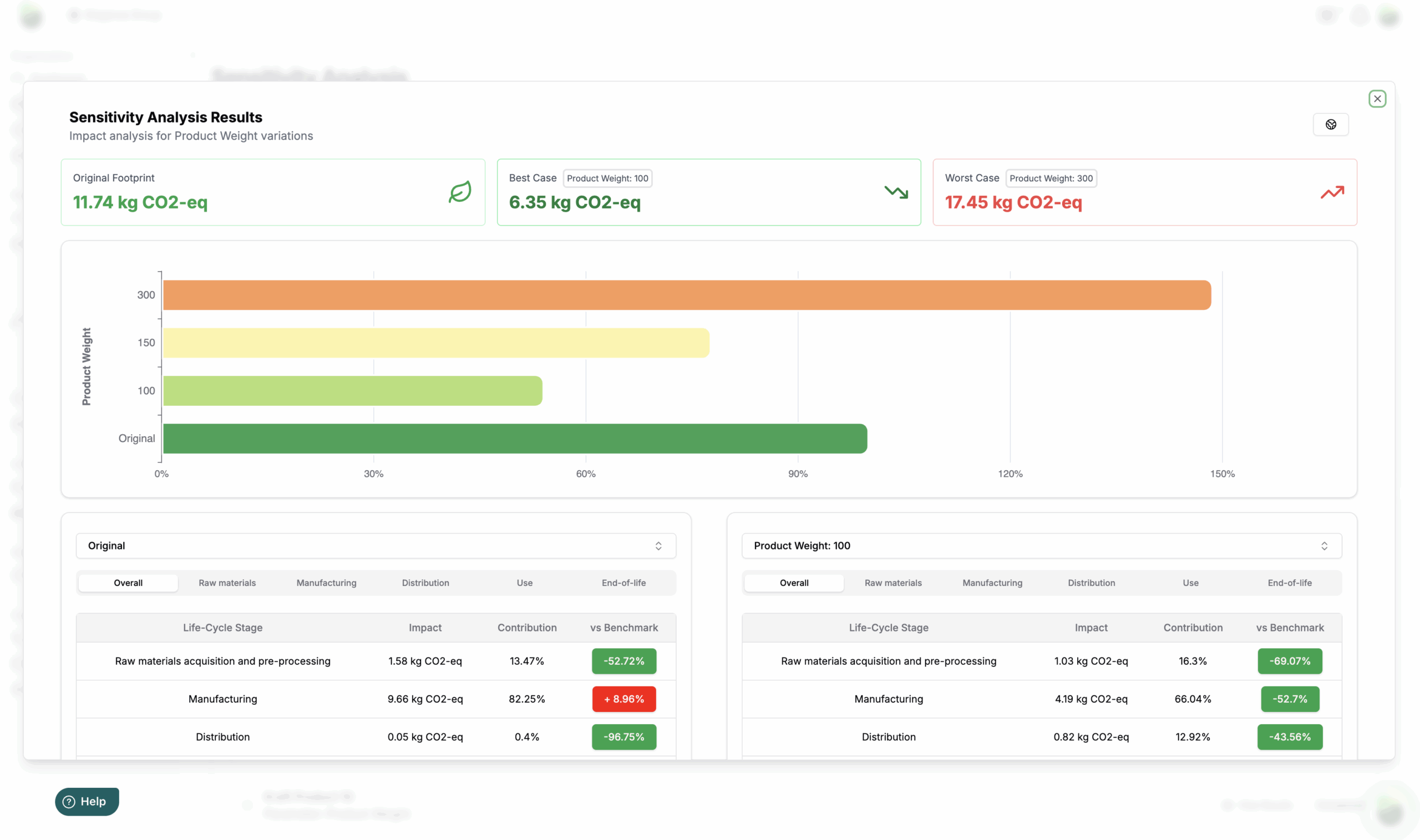
- Scenario Planning: AI-powered tools can simulate the impact of different sustainability strategies for decarbonization, helping brands prioritize their efforts.
- Material and Supplier Traceability: AI can track materials throughout the supply chain, ensuring transparency and accountability.
- Customizable Dashboards: AI tools can present data in an easy-to-understand format, tailored to the needs of each user.
We have covered more applications of AI and what to look for in a sustainability software in fashion here.
How Industry-Specific Tools Drive Change
By adopting industry-specific solutions, fashion brands can:
- Streamline Sustainability Efforts: Integrated tools reduce the need for manual work, freeing up teams to focus on strategic initiatives.
- Make Better Use of Data: Granular insights enable brands to identify high-impact areas and measure progress effectively.
- Achieve Sustainability Goals Faster: Tailored tools provide the clarity and direction needed to implement actionable strategies.
- Deliver Value for Investment: Solutions designed for fashion deliver tangible results, making them a worthwhile investment.
Conclusion
The journey towards sustainability in fashion requires more than generic tools—it demands solutions tailored to the industry’s unique needs. By embracing industry-specific tools and leveraging AI technologies, fashion brands can transform their sustainability efforts, turning data into actionable insights and driving meaningful progress.