What is Traceability in Fashion?
Fashion traceability means or calls for a way of identifying the path of the product to reaching the consumer once it has gone through sourcing raw materials. This includes the process of harvesting cotton, making actual fabric, garment manufacturing, and shipping the clothes. For example, organizations such as Patagonia and Eileen Fisher have sophisticated systems to monitor their fabric inputs to guarantee that they are sourced from organic origin and were not produced via exploitation. The advantage of traceability is that it allows brands to see where a product came from and how it was made. This resolves problems such as labor exploitation or environmental damage.
Why is Traceability Important?
- Transparency in Supply Chains: Thus, transparency serves to protect the rights of workers as well as minimize the misuse of the latter. In the 2022 Fashion Transparency Index issued by Fashion Revolution, as few as 48% of the major brands reported their first-tier suppliers, proving poor traceability.
- Consumer Trust: Contemporary customers are more conscious of the companies’ ethical behavior. The McKinsey report by 2023 proves that 70% of buyers are ready to overpay for products with a transparent supply chain. This is where traceability comes into play to aid brands in establishing much-needed trust among consumers.
Benefits of Traceability in the Fashion Industry
Ethical and Sustainable Practices
Traceability simply means right ethical labor standards and sustainable sourcing are being practiced. For instance, Stella McCartney uses traceability as a tool to check that all wool sourced is sourced from a farm that practices non-violence. As a result, brands can avoid using certain suppliers in which the end is exploitive of labor or harms the environment.
Enhancing Consumer Trust
Companies should adopt traceability as it increases consumer’s confidence. This is why when other companies such as Everlane and H&M Conscious Collection give supply chain information, customers feel safe. This enhances loyalty since customers will always feel comfortable doing business with a firm that reveals its performance scores.
Regulatory Compliance
Such legislation as the EU Green Deal and the California Transparency in Supply Chains Act require brands to demonstrate that they are sustainable and ethical. It enables organizations to meet these requirements and, therefore, allows them to avoid penalties or harm to reputation. For example, Levi’s tracks and documents water-saving projects by utilizing blockchain and follows environmental laws worldwide.
Reducing Environmental Impact
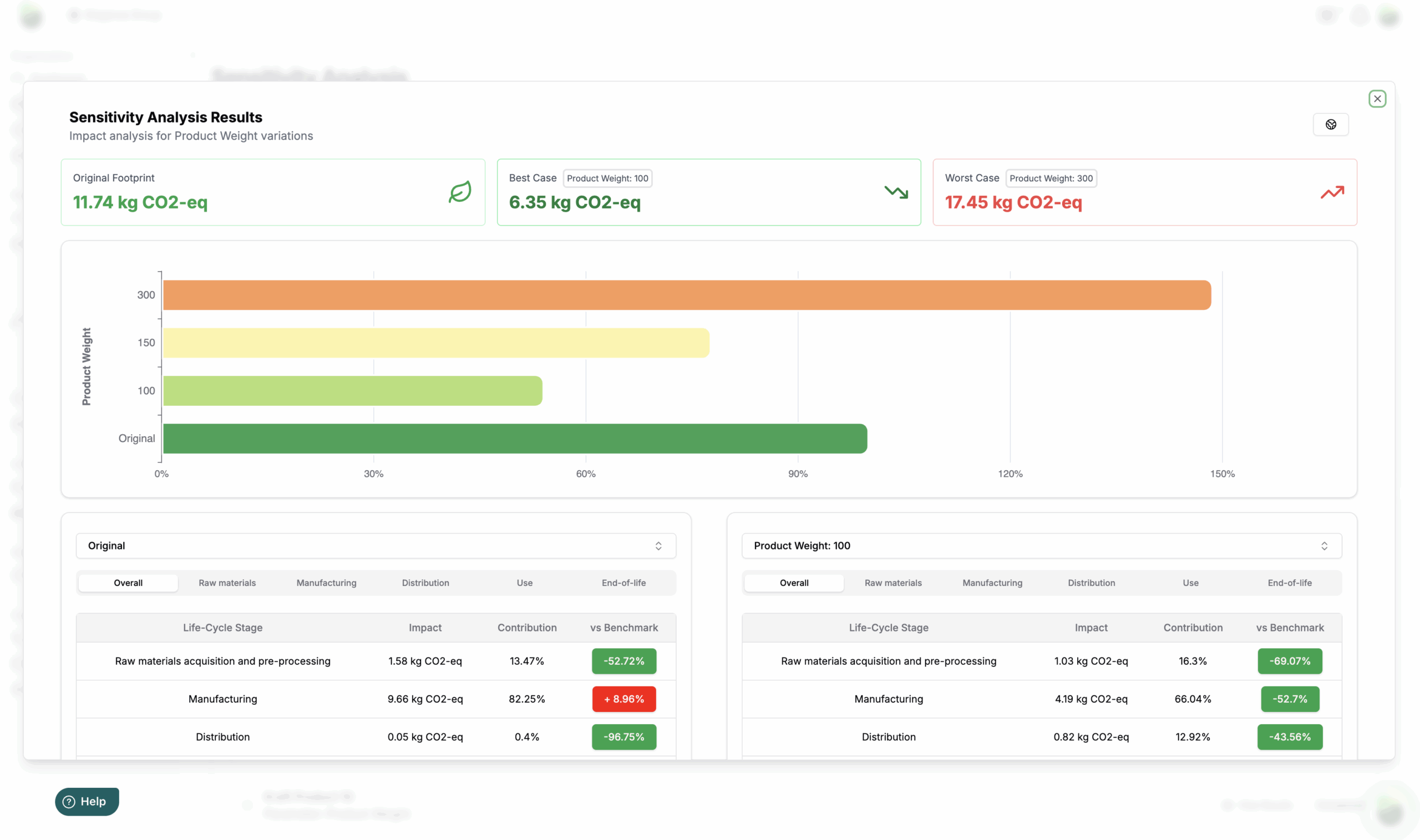
By tracking the carbon footprint at each production stage, brands can identify opportunities to reduce emissions. For example, Burberry leverages traceability to ensure its leather comes from environmentally certified tanneries, minimizing pollution. Additionally, traceability helps promote circularity by facilitating recycling programs for end-of-life products.
How Traceability Works in the Fashion Industry
Technologies Supporting Traceability
- Blockchain: Blockchain is the technology used in recording transactions, whereby the records cannot be altered once made. For instance, LVMH’s Aura Blockchain monitors the circulation of luxury assets, proving originality and disagreeable distribution. Through the concept of blockchain, consumers get to have a complete view of how their garments reach them.
- RFID (Radio Frequency Identification): RFID (Radio Frequency Identification): Product information is encoded on RFID tags which can be read at various levels within supply chains. Zara, a fast fashion giant, employs RFID for tracking inventory and supply chain management with real-time updates on product movement.
- Artificial Intelligence (AI): Artificial Intelligence (AI): AI processes large amounts of data to make predictions and determine the most ideal supply chain configurations. Companies such as H&M depend on AI to forecast future demand and cut down some costs, including overproduction, and Inditex depends on AI to monitor the traceability of suppliers regarding compliance.
Steps in a Traceable Supply Chain
- Raw Material Sourcing: This is done about the nature and origin of the raw materials used when producing goods. For example, CottonConnect is involved in building partnerships with brands so that cotton is produced and procured responsibly.
- Manufacturing: Manufacturing companies document various activities such as the use of employees’ skills and the effects on the surrounding environment. Yet, through tools like the Higg FEM, Reformation follows factory performance and discloses information about sustainability to the consumer.
- Distribution: It also tracks shipping and storage. Another way in which Patagonia maintains sustainability in transportation is by working with accredited sustainable transport companies.
- Retail and Beyond: This carries on to the retail point, where labels or QRCs provide further information on the product. Companies such as Nudie Jeans include the repairing and recycling aspects of their products, which also applies to the end-of-life aspect of a brand.
Certification and Standards
- GOTS (Global Organic Textile Standard): Accredits the production of organic fiber based on environmental and social aspects.
- Fair Trade: Guarantees pay and treatment standards in the Supply Chain is sustainable and ethical. The major example of a company that specializes in Fair Trade clothing is People Tree.
- BCI (Better Cotton Initiative): Supports organic production of cotton. For example, H&M, who became a member of the BCI in 2023, actually procured 80% of its cotton from BCI-certified suppliers.
Challenges in Achieving Traceability in Fashion
Complexity of Supply Chains
Fashion product supply chains entail different firms, sometimes located in different countries. This complexity makes it difficult to monitor all components. For example, a garment may involve cotton from India, dyeing in China, and assembly in Bangladesh, creating difficulties in maintaining consistent documentation and transparency.
High Implementation Costs
Implementing traceability systems requires significant investment in technology and training. Blockchain integration, for instance, costs between $5,000 and $10,000 per month for small businesses, according to a 2022 report by Grand View Research. Smaller brands often struggle to afford such systems, limiting widespread adoption.
Resistance to Change
Many suppliers and manufacturers are reluctant to adopt traceability measures due to the time and effort involved. According to a 2021 OECD report, only 23% of surveyed suppliers were actively collaborating with brands on traceability initiatives. Overcoming this resistance requires building partnerships and providing incentives for compliance.
Traceability Trends in the Fashion Industry
Growing Consumer Demand for Transparency
Consumers tend to choose those brands which focus on the transparency of production. According to a survey among 1000 Gen Z consumers carried out by Statista in September 2023, transparent price information is valued by 73% of those shoppers. Consumers seek visibility into the manufacturing process of various goods and also appreciate manufacturers who are transparent about it. For example, Everlane popularized “Radical Transparency” by sharing the breakdown of costs and supplier data for each product. In the same way, through the many QR codes featured in their packaging, PANGAIA allows the consumer to track the story behind the sustainable materials they use such as seaweed fiber and recycled polyester.
The Role of Sustainable Fashion Brands
- Stella McCartney uses new technologies in addressing issues of sustainability involving tracking the fabric from the farm to the factory. It also discloses specific environmental reports that further enhance consumers’ confidence in the brand.
- Patagonia applies an interlinked process with the Higg Index and blockchain technologies for the sustainability of supply chains. The environmental and social effects of a specific purchase can be tracked through Footprint Chronicles unveiled by the company.
These brands are examples of how traceability can improve both sustainability and customer experience.
Government Policies and Global Initiatives
- EU Due Diligence Laws: These laws compel fashion brands to assess and mitigate human rights and environmental issues in their value chain.
- US Uyghur Forced Labor Prevention Act: Signed in 2021, it has banned imports that contain goods produced with forced labor from China’s Xinjiang province, putting pressure on brands to check supply chains.
- Fashion Transparency Index: It is this global survey that ranks companies based on their supply chain disclosure and challenges them to do better.
How to Improve Traceability in Fashion
Collaborate Across the Supply Chain
Some of the strategic requirements include close supplier relationships, as well as relationships with manufacturers. Consumers need to learn how to report the incidents and should be motivated to do so through support from brands. For example, Kering Group has partnered with numerous small-scale suppliers, supporting their transition towards using sustainable materials and being traceable. These relationships are enhanced by routine audits, clear communication, and mutual goals, which guarantees every supply chain associates with the set goals and aims of traceability.
Educate Consumers
From this approach, brands should ensure that they engage in sharing the status of their traceability to create credibility. Product labeling, product description, and interactive tools assist the consumers. For instance, Adidas introduced the "Made to Be Remade" initiative, allowing customers to trace the recycling process of their purchased products. By involving consumers in their sustainability journey, brands foster loyalty and encourage responsible buying behaviors.
Conclusion
Traceability is a game-changer in fashion, promoting ethical practices, consumer trust, and environmental responsibility. Despite challenges like supply chain complexity and implementation costs, technologies like blockchain and platforms like Carbon Trail empower brands to track and manage their impact effectively. Brands such as Stella McCartney and Patagonia showcase how adopting transparency strengthens sustainability and market appeal. By making traceability a standard practice, the fashion industry can lead the way toward a more ethical, transparent, and sustainable future.