What is Greenhushing?
Greenhushing Definition
Greenhushing occurs when corporations choose to conceal or play down their sustainable business practices to prevent negative reactions. As more companies engage in more sustainable activities, the results are not publicized as companies feel that they might be pulled apart if they disclose this information. For instance, a firm may set a policy of reducing the emission of greenhouse gases by a large percentage but may not make it public since it anticipates that certain opponents may protest that it is just a ploy to gain public sympathy. This incline can cause opacity in corporate sustainability and slow down the overall advancement toward sustainability in general.
How Greenhushing Differs from Greenwashing
Although greenhushing and greenwashing are both connected to the concept of corporate sustainability, they refer to two distinct strategies of environmental discourse. Greenwashing refers to a situation where a company peddles fake claims about its sustainable activities to look more environmentally conscious than it practically is. For instance, a firm might tag a product as ‘earth-friendly’ although it has little or no green advancements for the product, or it possibly does not have any certifications as ‘earth-friendly’. Greenhushing, on the other hand, refers to a situation whereby organizations aim at concealing their real sustainability activities with a view of evading critical examination and judgment. Whilst a company could be performing well on some environmental issues such as cutting down on waste or increasing the use of renewable energy resources, they may not be able to publish their success stories on this score since doing so will attract accusations or doubts.
Why Do Companies Engage in Greenhushing?
Avoiding Greenwashing Accusations
The fact that firms partake in greenhushing is to evade being associated with lawsuits for greenwashing. Greenwashing has emerged as a crucial issue for organizations, as customers and other groups continue to monitor the credibility of the sustainability initiative. For instance, organizations that use phrases such as “carbon-neutral” and fail to give reasons or compelling proof may find themselves in legal problems or lose clients’ confidence. As a result, the situation leads to some organizations’ decision to conceal their sustainability initiatives to protect them from criticism. They might think that caution is the best policy than to come out and make grand statements that might not be easily backed up. Although this will save them from backlash, it denies public the chance to see the genuine efforts they are putting in and therefore can damage the ‘face’ of the brand in another way.
Managing Stakeholder Expectations
Another important reason that companies greenhush is to moderate stakeholder expectations. Regarding sustainability goals, firms may intentionally keep their sustainability images low profile to avoid raising expectations, which could be highly unattainable by the companies. If they have set a goal and publicized it, then when they cannot meet that goal or perform below expectations, stakeholders such as investors, customers, and the environment will be let down. Sustainability initiatives are kept subtle so that their achievement is not measured against lofty goals. For instance, an organization operating in the energy industry may opt for green energy but at the same time, they do not spend much money promoting the same. This is because they risk facing public backlash if the change does not meet expectations for efficiency.
Regulatory and Market Risks
This is apart from reputational risks, as other reasons for greenhushing include regulatory and market risks. Certain sustainability practices if not well-managed compromise with compliance with the rising stringent regulations on the natural environment. Companies may hide sustainability practices to avoid scrutiny from regulatory agencies. Industries with high environmental impact avoid showcasing improvements to prevent consumer backlash or PR issues.
Greenhushing in Practice: Real-World Examples
Examples of Greenhushing in the Corporate World
Greenhushing has been found in several fields where organizations prefer to keep their sustainability strategies covert. Big organizations like ExxonMobil invest in clean energy but rarely publicize their efforts. This is because they may face intense scrutiny and criticism from environmental activists and the public. H&M and fast fashion brands face criticism for inadequate sustainability efforts, often downplayed or poorly communicated. The effects greenhushing poses to brands can be quite monumental. While it serves to insulate companies from criticism, it also works to reduce opportunities for praise and consumer confidence. Consumers demand accountability, and secrecy makes brands appear either negligent or hiding excessive efforts. This can lead to consumers switching their preferences, reducing brand loyalty and general confidence.
The Impact of Greenhushing on Sustainability
The Effect on Public Trust and Transparency
Greenhushing can greatly erode people’s confidence in business sustainability initiatives. If companies remain silent about their progress, consumers may believe they aren't serious about addressing environmental issues. Scaling back efforts creates consumer perception that initiatives are insignificant or insincere. For instance, while corporate stakeholders may scale down their recycling programs or energy efficiency improvements, consumer audiences may have the perception that such efforts are trivial, or not real. Long-term secrecy erodes trust, complicating future consumer outreach on sustainability. Transparency in progress, however small, builds trust more effectively than hiding information.
Long-Term Effects on Corporate Sustainability Goals
Altogether, greenhushing is negative for corporate sustainability and a company’s image in the long term. Companies hiding sustainability efforts fail to drive organizational and industry change. Lack of public scrutiny hinders tracking progress, setting goals, and motivating employees. Teams not sharing goals lose opportunities for partnerships or external assistance. Firms cutting emissions without publicity miss exposure and fail to inspire industry-wide adoption. This damages a company’s reputation, deterring environmentally conscious consumers, investors, and partners.
Conclusion
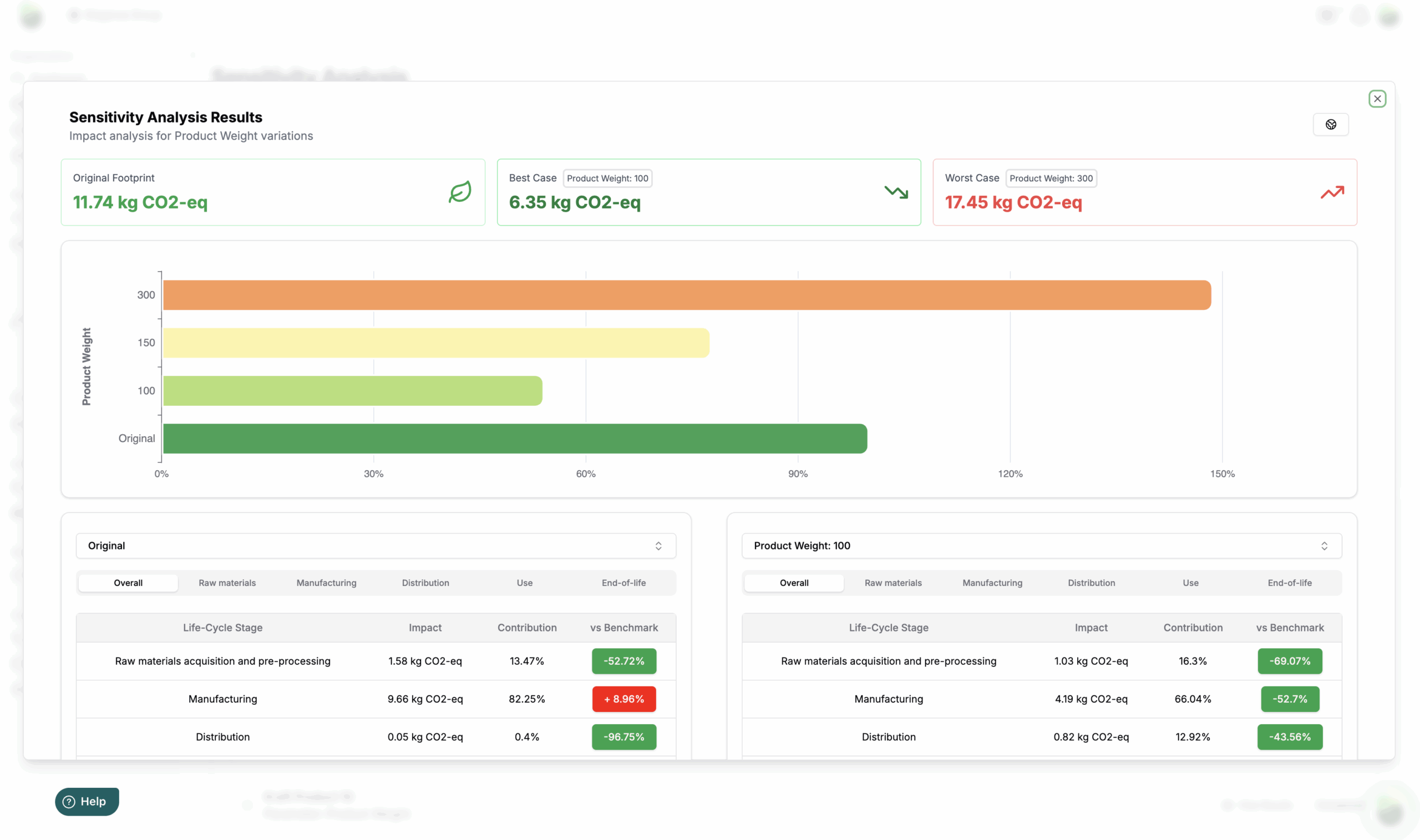
Open communication about sustainability is key to building trust with consumers, investors, and stakeholders. Companies that openly share their environmental efforts, even if they are still evolving, demonstrate a true commitment to change. Transparency in emissions reporting builds credibility and inspires others to adopt similar practices. By avoiding greenhushing, businesses can showcase their sustainability progress and foster stronger relationships with their audience. Instead of hiding behind silence, companies should embrace transparency. For instance, platforms like Carbon Trail help businesses track emissions and measure their environmental impact, making it easier to communicate progress and set realistic sustainability goals. Ultimately, businesses that openly engage in environmental practices will earn consumer trust and loyalty. Brands like Patagonia have thrived by being transparent about their sustainability journey. By adopting such practices, companies can create a positive environmental impact while benefiting from increased brand loyalty and market competitiveness.