The Higg tools have become integral to sustainability efforts in the fashion industry. However, brands struggle to extract actionable insights from the vast amounts of data provided by Higg FEM. These challenges hinder their ability to drive meaningful improvements across supply chains and product footprints.
The Overwhelming Task of Analyzing Higg FEM Data
Emily’s Data Dilemma
Imagine Emily, a sustainability analyst at a global fashion brand, buried under mountains of primary supplier and facility data reports. Her role involves analyzing complex metrics to identify trends and support suppliers in reducing their environmental impact. Yet, the manual process of downloading, cleaning, and analyzing this data is tedious and inefficient.
One retailer echoes this frustration:
"Have to download data from Higg FEM and then analyze the data themselves to see how a facility is doing. Want something that automates this process."
Data Quality Concerns: A Massive Roadblock
Accuracy and Reliability Issues
Even after processing the data, brands frequently question its reliability. A representative noted:
"Even if data is being verified by someone, there are quality issues. Like units are off by 1000s in some places."
These data quality issues, ranging from inconsistent units to errors in utility metrics, erode confidence in the insights derived.
The Gap Between Data and Actionable Insights
Benchmarking Challenges
Many brands struggle to transform the data into practical steps for improvement. One sustainability lead shared:
"Higg’s data benchmarking: Too much data → give me a simple metric. What does this mean in real life? Water usage, energy management, and other emission parameters…Complicated nature of benchmarking exercise."
Without clear benchmarks or practical guidance, brands often find themselves lost in a sea of numbers.
The Limited Scope of Higg FEM Data
While Higg FEM 4.0 offers critical insights into facility-level performance, it lacks comprehensive tools for product-level impact assessments. A brand representative noted:
"The challenge they have is including Higg FEM data into footprint calculations of products."
This limitation makes it difficult for brands to accurately assess the environmental footprint of individual products, leaving a significant gap in sustainability efforts.
Bridging the Gap: Transforming Data into a Valuable Asset
Industry Solutions for Smarter Data Use
Emily’s struggles highlight the pressing need for solutions that:
- Automate primary supplier data integration and analysis.
- Provide actionable benchmarks and clear recommendations.
- Address data quality issues at their root.
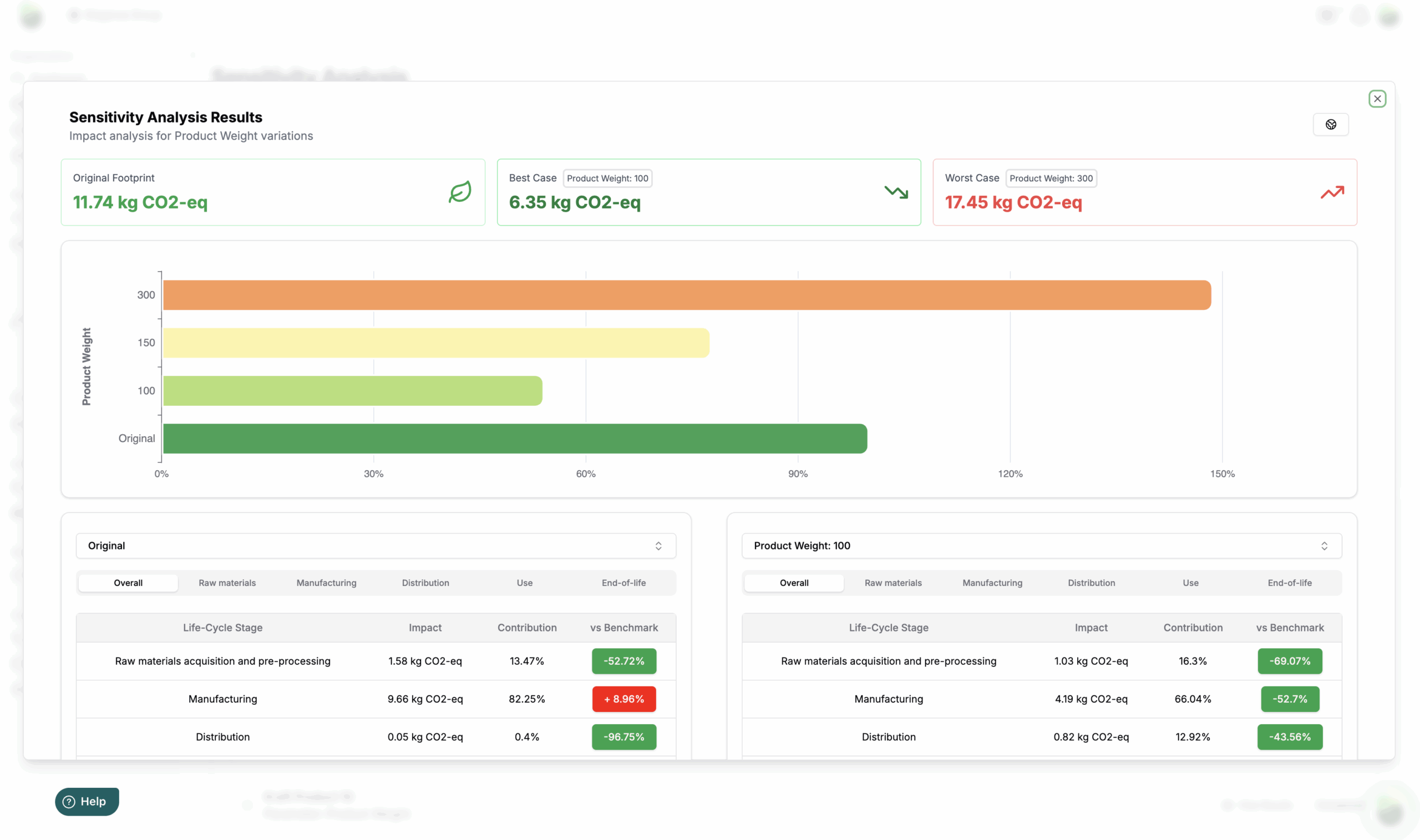
- Enable product-level environmental assessments.
By addressing these challenges, brands can turn primary supplier data into a powerful tool for sustainability. This transformation is critical to driving meaningful progress in the fashion industry's journey towards a more sustainable future.
Conclusion: Unlocking Higg FEM’s Potential
The fashion industry must evolve its approach to leverage Higg FEM data effectively. To unlock its full potential, brands need advanced AI tools like Carbon Trail that automate these processes, improve data quality, and provide clear, actionable insights. By overcoming hurdles in data quality, automation, and actionable insights, brands can harness the full power of their primary supplier data to create a more sustainable and transparent industry.