What is AI in Retail?
AI in retail is defined as the application of Artificial Intelligence technologies in retail businesses that allow for automation of some functions, analysis of others, and overall optimization of retail activities, including customer relations. Retailers use AI to get valuable data and improve consumer experience and internal operations, such as predicting demand and supply. The use of AI has continued to increase in the retail industry as shown by the global AI in retail market size that is expected to grow from $9.5 billion in 2021 to $31.2 billion in 2028 with a CAGR of 24.6%. Currently, most developed retailers like Amazon, Walmart, and Zara are developing and implementing benchmarks for AI innovation.
Importance of AI in the Retail Industry
It is more evident that retailers are integrating AI to meet new levels of consumer expectation, reduce costs, and competitiveness. AI technologies empower retailers to:
- Provide customized shopping interactions that encourage consumer retention.
- There is a need to minimize the cost of inventory as well as maximize the utilization of available resources through a lean inventory system.
- Reduce the delivery of customer service by automating the process of responding to the customer’s inquiries.
Capgemini’s survey revealed that 76% of the retailers adopting AI experienced improvement in sales and 85% saw improved satisfaction among customers due to its use. Consumers also believe that AI can and should be used to provide personalization, and 91% said they prefer brands that do this.
How to Use AI in Retail
AI-Powered Personalization
Retailers are able to harness data from the billions of customers who shop online every day through the use of AI, which gives recommendations based on browsing history, purchase behavior, and preference. Approximately 35% of Amazon’s revenues come from the recommendations made through the use of AI algorithms.
Benefits
- Customer retention through satisfaction resulting from customized services.
- By identifying buyers that may require certain products, conversion rates are improved.
Inventory Management and Demand Forecasting
AI is a forecast that is based on sales history, current trends, and factors such as weather and holidays. This leads to the ability of the retailers to ensure they have the right quantity of products throughout the periods to avoid overstocking and, at the same time, eliminate incidences of stock-out situations.
- Example: Zara uses AI to analyze consumer demand and adjust its inventory weekly, enabling it to maintain its status as a fast-fashion leader.
- Tools like Blue Yonder and Retail Next use AI for inventory and supply chain optimization, reducing inventory costs by up to 20%.
Benefits
- Better demand-supply alignment.
- Reduced storage and handling costs.
Enhancing Customer Service with AI Chatbots
AI chatbots provide 24/7 support to customers, answering queries, offering product suggestions, and resolving issues instantly.
- Example 1: Sephora's chatbot offers beauty advice and product recommendations, enhancing customer engagement.
- Example 2: H&M's chatbot assists customers in finding the right styles and sizes, improving the online shopping experience.
Benefits
- Faster response times and improved customer satisfaction.
- Reduced dependency on human customer service agents, lowering operational costs.
AI in Retail Operations and Logistics
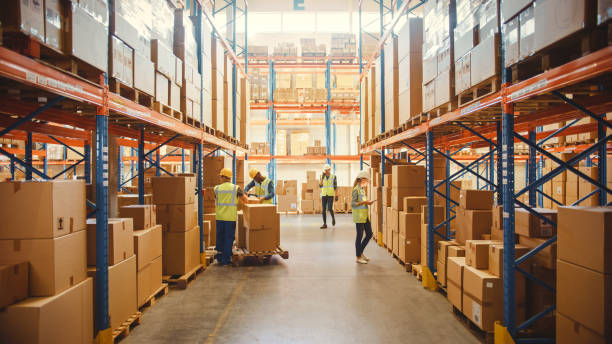
AI streamlines supply chain operations, enabling retailers to track shipments, optimize routes, and improve delivery accuracy. It also automates warehouse management, reducing errors and improving efficiency.
- Case Study: Walmart uses AI to improve inventory visibility and streamline warehouse operations. AI-powered robots scan shelves to check stock levels and ensure timely replenishment, reducing manual labor and errors.
Benefits
- Reduced waste and improved supply chain transparency.
- Faster delivery times and enhanced operational efficiency.
Real-World Use Cases of AI in the Retail Industry
Visual Search and Augmented Reality (AR)
AI-powered visual search tools are changing the way customers shop by enabling them to find products through images rather than text-based queries. This technology uses AI and computer vision to analyze images and match them with available products.
- Example: IKEA Place App IKEA leverages Augmented Reality (AR) in its IKEA Place app, which allows customers to virtually place furniture in their living spaces before purchasing. By using AI-powered AR, the app accurately scales furniture to room dimensions, helping customers make better decisions. As a result, it increased customer satisfaction and reduced product returns. AR technology is expected to drive $78 billion in retail sales by 2028, showcasing its potential to revolutionize the shopping experience.
Fraud Detection and Security
AI enhances retail security by identifying fraudulent transactions in real-time. It uses machine learning algorithms to analyze transaction patterns and detect anomalies, protecting businesses and customers.
- Example: PayPal’s AI-Powered Fraud Prevention PayPal employs AI to process billions of transactions daily, flagging suspicious activity and ensuring secure payment gateways. This system combines rule-based and machine-learning models to maintain high accuracy in fraud detection. PayPal reduced fraud-related losses by over 50% through its AI-driven fraud detection system.
Price Optimization
AI tools analyze competitor pricing, market trends, and customer behavior to determine optimal pricing strategies. These systems enable retailers to dynamically adjust prices to maximize revenue while staying competitive.
- Example: Zara’s AI-Driven Pricing Strategy Zara uses AI to implement real-time pricing strategies. The company adjusts its product prices based on demand fluctuations and market conditions, ensuring the right balance between affordability and profitability. Zara’s AI pricing model contributes significantly to its €19 billion annual revenue. Dynamic pricing helps brands remain competitive and responsive in fast-changing markets.
Examples of AI Transforming the Retail Industry
Amazon Go Stores
Amazon Go stores showcase the future of retail by eliminating the need for checkout lines. These stores use AI, sensors, and computer vision technologies to create a seamless shopping experience.
- How it works: Customers use the Amazon Go app to check in, pick their desired items, and leave the store without waiting in line. AI algorithms automatically detect the items customers take and bill them accordingly. The "Just Walk Out" technology has 99% accuracy in tracking purchases, reducing errors and theft. As a result, it reduced waiting times and a highly efficient shopping experience.
Nike’s Personalization Strategy
Nike integrates AI across its platforms to offer personalized experiences to customers, both online and offline. AI-driven tools analyze customer preferences, fitness goals, and shopping history to recommend products and create tailored interactions.
- Example: Personalized Sneakers Nike uses AI to allow customers to design their own sneakers through the Nike By You initiative. The system provides recommendations based on customer preferences and previous designs. As a result, it increased customer engagement and a stronger connection to the brand.
- AI Across Channels: Nike’s app uses AI to send personalized notifications, while in-store kiosks provide tailored product recommendations. Nike reported a 30% increase in digital sales after integrating AI into its operations.
Challenges in Implementing AI in Retail
Data Privacy and Security Concerns
As AI adoption grows, concerns about data privacy and security have become significant hurdles. AI systems rely on massive volumes of customer data to function effectively, but this dependence can lead to fears of misuse or breaches. Consumers increasingly demand transparency in how their data is collected, stored, and used. Adhering to regulations like the GDPR in Europe or the CCPA in the United States is not just recommended but essential for maintaining customer trust. These regulations ensure that businesses handle data responsibly, providing customers with more control over their personal information.
High Implementation Costs
AI in retail often demands substantial investments in infrastructure, advanced software, and skilled personnel. While large-scale retailers can absorb these costs, smaller businesses may find them prohibitive. The financial burden includes not only the upfront cost of AI systems but also the ongoing expenses of maintenance and updates. However, affordable alternatives like SaaS platforms are making AI accessible to smaller retailers. Shopify, for example, offers AI-powered tools that allow businesses to personalize their services without the need for hefty upfront investments. The global AI-as-a-service market is growing rapidly, projected to reach $24.6 billion by 2027.
Workforce Disruption
AI's integration into retail processes often sparks fears about job displacement. Automated inventory management, customer service chatbots, and other AI tools have the potential to replace human roles, causing anxiety among retail workers. However, AI also creates opportunities for new roles that require collaboration between humans and machines. Forward-thinking retailers are investing in upskilling and reskilling programs to prepare their workforce for this transition. Amazon, for example, has launched its Career Choice Program, which trains employees for tech-focused roles, ensuring that workers remain relevant as the company embraces AI.
Future of AI in Retail
The future of AI in retail is being shaped by several groundbreaking trends. Predictive analytics, for instance, is revolutionizing how retailers understand consumer behavior. By analyzing past purchase patterns, AI can anticipate customer needs, enabling personalized product recommendations and targeted marketing campaigns. Hybrid shopping models are another trend reshaping the retail landscape. AI is bridging the gap between online and in-store experiences, enabling a seamless blend of both. For instance, customers can use AI-powered apps to check product availability in real-time or receive personalized in-store recommendations. AI is also playing a pivotal role in sustainable retail practices. By analyzing data across supply chains, AI helps retailers reduce waste, optimize inventory, and lower their environmental impact. H&M is using AI to forecast demand accurately, reducing overproduction and promoting sustainable practices.
How Retailers Can Prepare for the AI Revolution
Retailers must take proactive steps to prepare for the AI-driven future. Investing in AI tools and employee training is crucial. By equipping their workforce with the skills needed to manage AI systems, businesses can ensure a smooth transition while maintaining operational efficiency. Collaborating with AI service providers can also help retailers scale solutions effectively. Companies like Google Cloud and Microsoft Azure offer AI platforms that are both robust and scalable, catering to businesses of all sizes. Additionally, fostering a culture of innovation will be key to staying competitive.
Conclusion
AI is revolutionizing the retail industry, transforming customer experiences, optimizing operations, and enabling sustainable practices. By addressing challenges such as data privacy, high costs, and workforce disruption, retailers can fully harness AI's potential. With trends like predictive analytics, hybrid shopping models, and sustainable retail practices shaping the future, the role of AI in retail is only set to grow. To stay ahead of the curve, retailers must invest in AI adoption, prioritize innovation, and prepare their workforce for the AI revolution. The future of retail lies in the seamless integration of AI, offering unparalleled opportunities for growth and sustainability.