What is Supply Chain Data Management?
Supply chain data management requires the intake of data in the supply chain process and putting the data to use through analysis. In the fashion industry, it enables better control of sourcing, production, and distribution. Hence, it increases operational efficiency. For instance, Zara works with actual details regarding stock to control production and delivery and minimize overstock and waste time while keeping an eye on market fluctuations. Supply chain data management also plays a role in quick response to supply chain disruptions like material availability or logistics problems that preserve business continuity.
The Role of Big Data Analytics in Supply Chain Management
The application of big data analytics has been helpful to supply chain management by helping organizations carry out vast data analysis and make meaningful judgments from the resulting dissection.
- Demand Forecasting: Machine learning looks at the behavior of consumers and market forces to predict the market accurately; this makes it easier for a company such as H&M to time its production correctly to match sales.
- Resource Allocation: Businesses employ data in the acquisition and supply of raw materials, with the least waste and high expenses. For example, Nike used analytics to optimize its production process and rationalize lead times.
Why Supply Chain Data Management is Crucial for the Fashion Industry
Enhancing Transparency and Traceability
Supply chain management involves tracking events that occur within the supply chain and monitoring the process in real-time. There is a growing consumer awareness of ethical issues, and now, brands that use transparent practices in their production are considered valuable. For instance, Eileen Fisher enhances the customer's understanding of materials’ origin and production processes through the application of blockchain technology to increase loyalty.
Reducing Environmental Impact
Sustainable supply chain management based on data enables brands to detect inefficiencies, and reduce unnecessary waste and emissions. With data, companies can start using sustainable materials and figure out better logistics to be less damaging to the environment. For instance, Levi Strauss & Co. measures water usage and emission intensity and employs measures to reduce its carbon impact by 40% within the coming 5 years.
Improving Operational Efficiency
Application of data to enhance effective and efficient business flow can lead to time-saving, effective control of inventory, low cost, and increased customer satisfaction. Brands like ASOS utilize data analytics to forecast demand, manage stock levels, and ensure timely product availability. This reduces overproduction and storage costs while enhancing customer experience.
Big Data Analytics in Supply Chain Management
Key Technologies Used in Fashion Supply Chains
- Artificial Intelligence (AI): AI enhances demand forecasting by analyzing vast datasets to predict trends and optimize inventory management. For example, H&M uses AI to assess store-specific sales data and adjust stock distribution, reducing overproduction and waste.
- Internet of Things (IoT): IoT devices, such as smart sensors, track materials, and finished products in real time. Tommy Hilfiger employs IoT solutions to monitor production efficiency and improve delivery timelines.
- Blockchain Technology: Blockchain ensures end-to-end transparency by securely recording transactions across the supply chain. Adidas uses blockchain to verify sustainable material sourcing and provide consumers with detailed product histories.
Benefits of Big Data Analytics in Supply Chain Management
- Enhanced Forecasting Accuracy: This further means that big data can be used to predict demand to minimize stockpiling and stock-outs. For instance, Zara has incorporated real-time data from its stores to have an account of the demand, making restocking much easier.
- Proactive Problem-Solving: Using data, brands find that there are clear bottlenecks and can act quickly to resolve them. The movement of big data is incorporated into Nike’s system to enhance the flow of supplies and minimize delivery time and costs.
- Sustainability Insights: Some of the tangible benefits to brands include monitoring of energy usage, and CO2 emissions, as well as tracking of waste management efforts. Sustainability programs such as tracking water consumption through the supply chain have helped Levi Strauss & Co. to come up with Water<Less® manufacturing processes.
Overcoming Challenges in Data Management
- Addressing Data Silos: It is common to find fashion brands dealing with inconsistent data distribution among various departments. Cloud-based systems and unification of databases are effective ways to eliminate the problem of silos.
- Complexities in Integration: New technologies often appear to be incompatible with legacy systems. This is because working with companies such as SAP and Oracle assists in simplifying integration procedures.
- Skilled Talent Requirement: The management of big data systems needs trained personnel. The formation of the required expertise can be attained by increasing the investment in workforce training programs such as that of H&M.
Success Stories: Fashion Brands Leveraging Supply Chain Data Management
H&M’s Sustainable Supply Chain
H&M monitors the purchase of sustainable materials via data and is working towards sourcing all of its materials through recycled or sustainably sourced items by 2030. This effort is featured in its Conscious Collection, which provides information on the environmental footprint of its product.
Real-Time Inventory System of ZARA
Real-time inventory was another radical way that Zara altered the fashion supply chain. The sales entry by the store managers is processed daily, allowing the brand to respond promptly to volumes and hence stock the business adequately. The flexibility that Zara uses ensures that the company releases new designs within weeks of the consumer’s taste.
Adidas and Blockchain Technology
Adidas uses blockchain technology in its supply chain management to provide openness. For instance, its collaboration with Plastic Bank ensures the validation of recycled ocean plastics in its Parley line. Product transparency permits consumers to track the sources of raw materials, hence increasing trust and loyalty.
Steps to Implement Supply Chain Data Management in Fashion
Step 1: Adopt Advanced Technologies
Big data analytics, AI, and IoT should be adopted by fashion brands to improve decision-making. AI is employed at H&M in demand forecasting, and RFID enables fast tracking of inventory and resource distribution for better resource usage.
Step 2: Collaborate Across the Supply Chain
One of the major factors is that there has to be a smooth flow between the suppliers and manufacturers. Cloud-based systems guarantee that data is accessible to various parties, enhancing the aspects of openness. Adidas works directly with Plastic Bank to ensure that a proper supply chain for the utilization of recycled materials is being maintained.
Step 3: Focus on Training and Skill Development
Training employees makes them competent in the use of analytical applications that involve the application of data-oriented systems. Nike aims to empower its teams to effectively operate the digitalized supply chain and provide them with relevant data.
Step 4: Monitor and Optimize Continuously
Key measures like KPIs are used often in conjunction to ensure the right supply chain processes are in place. Another way for an organization, such as Burberry, is to evaluate the given product life-cycle to achieve better sustainability and modify strategies as needed.
Challenges of Fashion Supply Chain Management
Lack of Supply Chain Transparency
Product sourcing and manufacturing through extensive global networks hinder fashion brands from monitoring their production activities, which affects their ability to maintain compliance levels. When visibility is unclear, brands struggle to obtain responsible materials while maintaining regulatory standards and product quality control.
Rapidly Changing Consumer Demand
Brands must manage their production practices against changing fashion demands because trends shift rapidly in the industry. Fashion trends creating unpredictable market changes result in various production problems that hurt revenue generation and sustainability targets.
Sustainability and Ethical Sourcing
Brand adoption of sustainable practices has become necessary because consumers are demanding more transparency and regulations are becoming stricter. Working with multiple suppliers presents significant difficulties for companies to source eco-friendly materials, to minimize their carbon emissions, and maintain fair working conditions.
Inventory and Logistics Management
A system that manages inventory across various warehouses alongside retail outlets proves to be highly intricate. Timely delivery relies on efficient logistics systems that minimize costs together with delays. Operational effects stemming from disruptions including delivery backups and inventory insufficiencies prove to be substantial.
Rising Production Costs
The cost of maintaining profitability has risen due to escalating raw material prices combined with growing labor wages along with increased compliance expenses. Brands require methods to maximize their operations with full respect for quality standards and ethical requirements.
Digital Transformation and Data Integration
The integration of AI alongside blockchain technology and data analytics proves challenging for numerous brands operating within their supply chain operations. Operational delays and diminished efficiency occur because suppliers do not share real-time information with manufacturers and retailers.
The Future of Supply Chain Data Management in Fashion
Key Trends to Watch
- Predictive Analytics: Demand planning, stock replenishment, and the minimization of waste will be perused by brands through the use of predictive models. For instance, H&M previously spoke about using artificial intelligence for demand prediction in its supply chain.
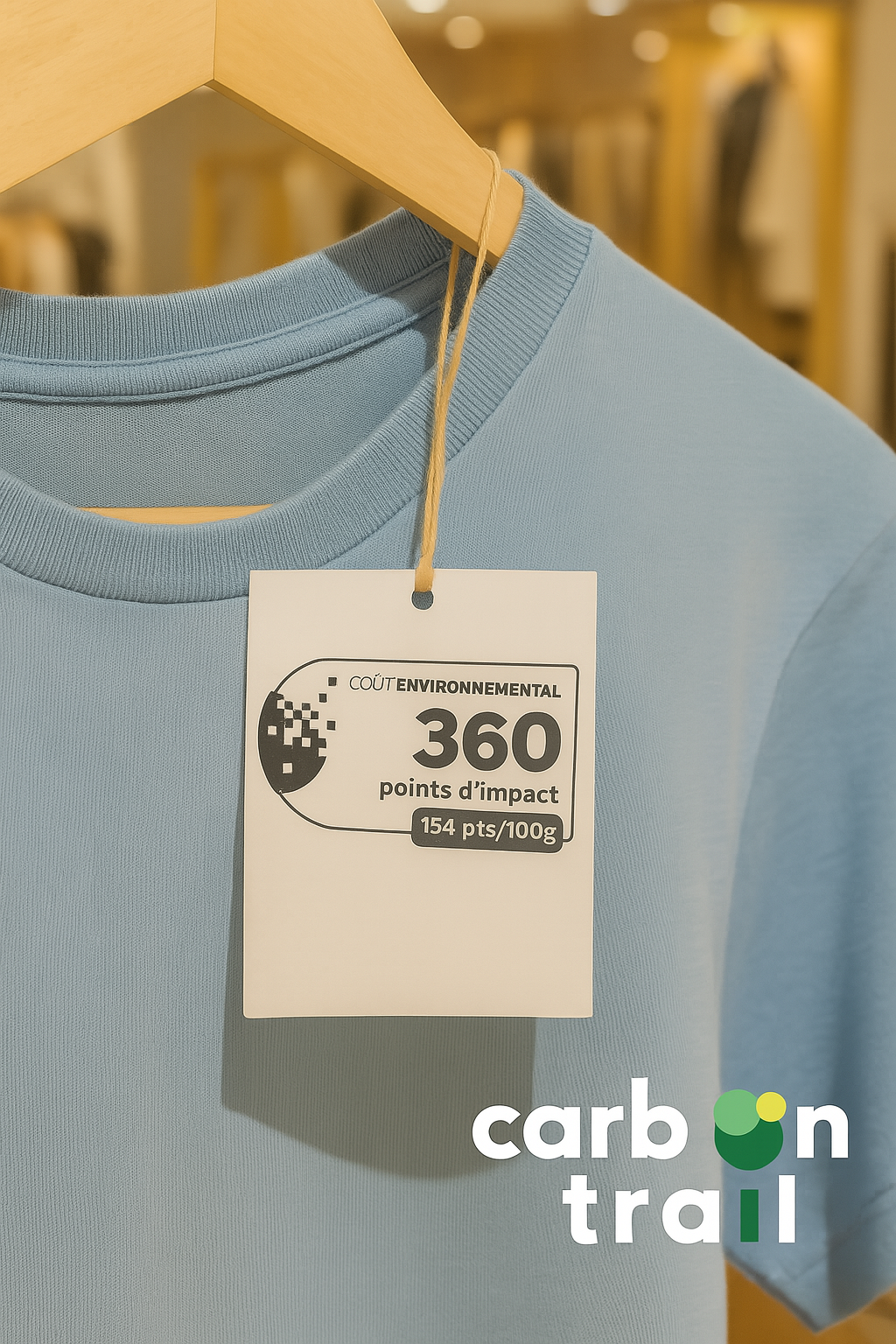
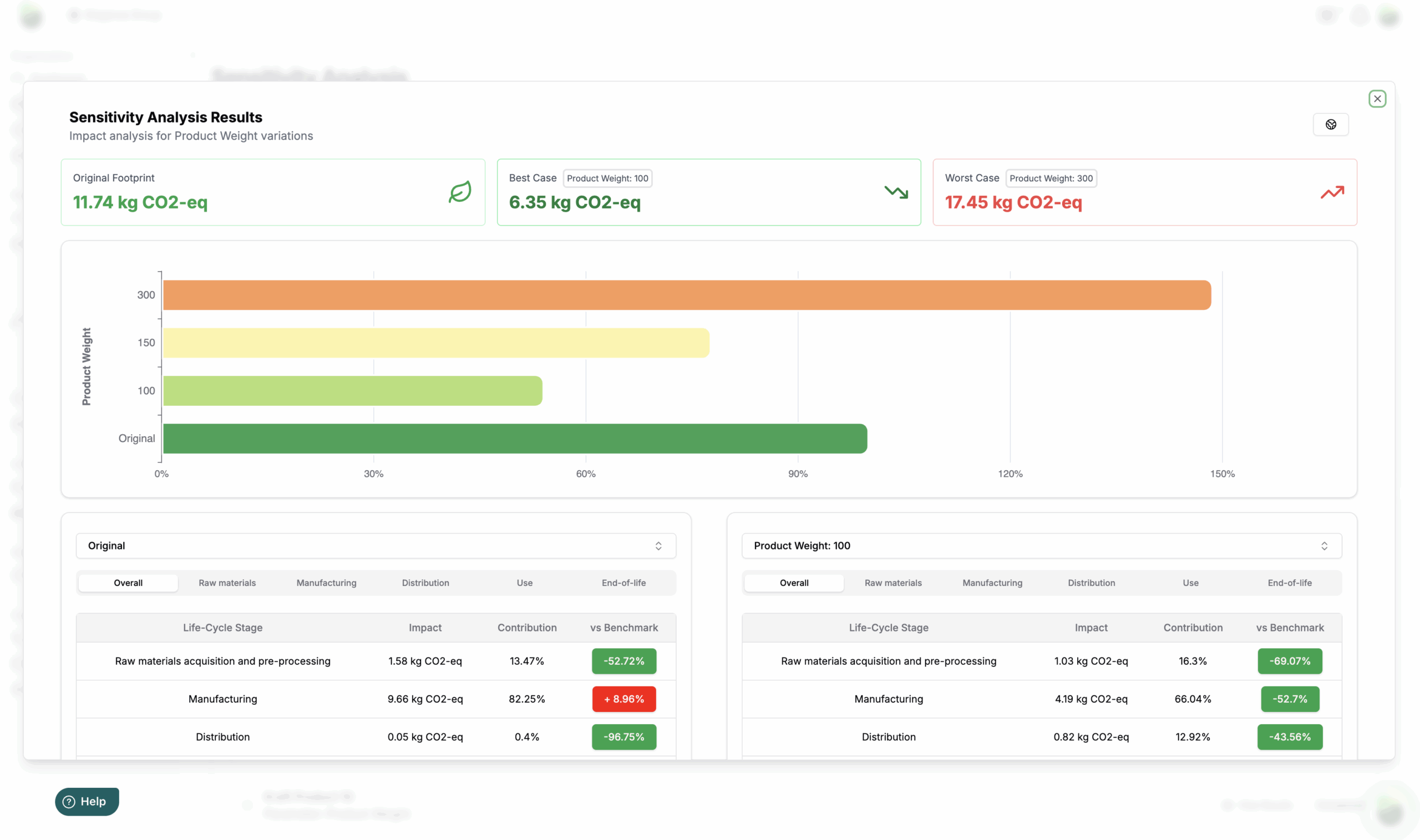
- AI-Driven Sustainability: AI tools like Carbon Trail will help brands identify sustainable materials to use in their products, as well as understand the living cycle effects of the products.
- Blockchain Transparency: Blockchain will also remain adopted to provide an immutable record to support traceability. Brands are using a blockchain platform called Everledger to give assurance of ethical sourcing of materials.
Preparing for a Data-Driven Future
- Invest in Technology: The brands are also advised to put funds into capital-intensive systems like artificial intelligence and blockchain.
- Collaborate Globally: Collaborations with tech suppliers and green procurement strategies will prove critical to the cause.
- Focus on Long-Term Goals: Modern corporations like Stella McCartney and Patagonia do show that it is possible to invest in data management, both for-profit and for the planet.