What Are Sustainable Material Choices?
Sustainable material choices means fabrics that are eco-friendly all through the life cycle of the fabric. It also means that these materials are obtained, processed, and recycled/eliminated with minimal energy, materials, and waste. It is therefore possible for the fashion industry to reduce its GHG emissions by using organic, renewable, recycled, and/or innovative substitutes. For example, organic cotton as a natural product has an impact on less water and energy by 91% and 62% as compared to conventional cotton. They make sure that clothes are sustainable, as well as maintaining the long-term effectiveness of sustainability in the fashion industry.
Why Do Materials Matter in Fashion’s Carbon Footprint?
Fabrication and use of certain materials make a significant contribution to the carbon footprint of that garment. A considerable quantity of synthetic fiber like polyester is produced across the world, and these products consume more than 60% of energy and are derived from fossil fuels. Polyester production releases 9.5 kg of CO2 per kg of fabric, which is one of the worst emission rates in the textile sector. On the other hand, natural fibers such as organic cotton and hemp give off lesser emissions and utilize renewable sources. The easiest way, which would eliminate a huge impact on the environment, is to switch to low-impact materials. Sustainable materials also correspond to the increase in customer awareness and the demand for material transparency of products, which are crucial for the further evolution of the fashion industry.
Types of Sustainable Material Choices
Natural and Renewable Materials
Organic cotton, hemp as well as flax linen are considered to be the core components of sustainability in fashion. Since it does not use synthetic pesticides and fertilizers common in producing cotton, organic cotton lowers greenhouse gas emissions by 46%. Hemp is hailed as one of the most sustainable fabrics because it is fast-growing, needs little water, and indeed nourishes the soil it is grown in. A breathable fabric, linen originates from the flax plant, and in its cultivation, no water is used and chemicals are not needed. These materials can be recycled and provide a natural source of materials, which benefits the environment for production.
Recycled Materials
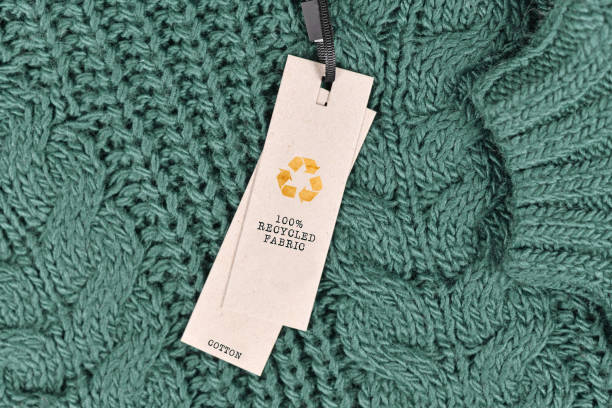
Using recycled materials significantly reduces the amount of textile waste and minimizes the use of virgin resources. Recycled polyester is created by using discarded PET bottles, has 59% less energy requirement than virgin material, and saves thousands of discarded bottles from being dumped in landfills. Likewise, recycled nylon, a material derived from discarded fishing nets, minimizes marine pollution and lowers emissions by as much as half. Companies such as Adidas and Patagonia have done a rather good job of incorporating post-consumer waste into wearable products.
Innovative Materials
There’s an ever-growing list of fabrics that are more sustainable and are reinventing the fashion industry with the incorporation of new technologies. TENCEL™ is derived from wood pulp obtained from sustainable sources and the manufacturing process, named closed loop system, recycles 99 percent of solvents. Piñatex, a material created from pineapple waste, serves as a substitute for leather, which is environmentally friendly, as the materials that form it are residues from pineapple production. Another example of remarkable innovation is Mushroom leather, a material that is cultivated from mycelium and imitates genuine leather but does not have negative consequences for the environment and animals like livestock farming. They then not only cut down on emissions for clothing articles but also point towards a world where sustainability is innovation.
Environmental Benefits of Sustainable Material Choices
Reducing Carbon Emissions
Sustainable materials reduce energy and water usage during production, thereby lowering carbon emissions. For instance, in the production of organic cotton, you can avoid the use of synthetic fertilizers and pesticides and this leads to a reduction of greenhouse gases by forty-six percent as compared to conventional production. Likewise, recycled polyester uses 59% less energy than virgin polyester, reduces emissions, and makes the best use of the existing material.
Minimizing Waste and Pollution
Biodegradable and recycled materials are critical in minimizing textile waste and pollution in various ways. Reused materials such as nylon and polyester decrease waste, landfill, and virgin resource consumption to offer a circular fabric-use approach. For example, Adidas has recycled more than 281 million plastic bottles through its recycling activities conducted as part of the sustainable development goal. Secondly, anti-waste or circular fashion, including upcycling and closed-loop systems, help elongate the lifespan of clothes and avoid or reduce their disposal.
Challenges in Adopting Sustainable Material Choices
Cost and Accessibility
A huge setback when it comes to using sustainable materials is the fact that they are relatively expensive to produce and therefore, tend to be expensive to the consumer. Their production processes cost more than conventional products because of specialized farming techniques and lower yields compared to conventional crops like regular cotton. Similarly, mushroom leather and Piñatex fabrics are newcomers to the fashion market, and the techniques to produce them are still rather high-tech, thus not suitable for small brands. The difficulty in sourcing sustainable materials worsens due to the lack of initiatives or resources among producers in developing markets to transition to more sustainable options.
Greenwashing in the Fashion Industry
Greenwashing is on the rise as corporations try to cash in on the trend of sustainable products. Most manufacturers give generalized and sometimes false statements about the ecological impact of the products they use. For instance, various brands classify their products as ‘green’ while ignoring the fact that they use carbon-sensitive processes in production. Sustainability certifications such as Global Organic Textile Standard (GOTS), OEKO-TEX, or FT provide the necessary checks and balances in cases of greenwashing.
How to Choose Sustainable Materials for Garments
Look for Verified Certifications
The first step in selecting eco-friendly and socially responsible products is identifying reliable certifications that guarantee a product’s Environmental and Ethical Compliance. One example of such certifications is the Global Organic Textile Standard (GOTS), which guarantees that manufacturers produce textiles from organic fibers in an eco-friendly and socially responsible manner. Likewise, Fair Trade ensures fair wages for workers besides ensuring that they work in safe places in the supply line. Cradle to Cradle certification assesses all the stages of a product, including manufacturing, use, and disposal, against the benchmarks of sustainability.
Assess the Material’s Lifecycle
The sustainability of a material depends not only on its manufacturing process but also on its durability and biodegradability. Organic cotton and hemp used to manufacture clothes have a small carbon footprint compared to synthetic fabrics. They break down at the end of their useful life, unlike synthetic fabrics which can take hundreds of years to degrade. Likewise, recycled polyester reuses existing materials and hence decreases the use of virgin fibers in production.
Support Brands Committed to Sustainability
Many different brands are already exploring the possibilities of using sustainable materials and approaches. Patagonia employs recycled polyester and organic cotton in its products and provides the Worn Wear program to repair the clothing. Pangaia uses radical materials such as seaweed fiber and bio-based dyes to ensure that they embrace technology and environmentalism. Likewise, Stella McCartney has been using sustainable and non-leather materials, like mushroom leather and recycled nylon for quite some time now.
The Future of Sustainable Material Choices in Fashion
Emerging Technologies
The sustainability of a material depends not only on its manufacturing process but also on its durability and biodegradability. Manufacturers create vegetable leather from animal cells or mushroom stems, ensuring it remains free from animal suffering and is environmentally sustainable. Likewise, designers develop bio-based synthetics to mimic conventional synthetics’ wearing characteristics while remaining biodegradable after their use ends. Also, experts have realized that technologies such as AI and blockchain improve transparency in the supply chain. AI can help supply chains become leaner and greener by minimizing waste and emissions, while blockchain helps to make supply chains transparent, allowing consumers to track where their garments are coming from.
The Role of Circular Fashion
Circular fashion is reshaping the industry by focusing on fully recyclable garments and zero-waste production methods. Brands are designing clothes with end-of-life in mind, using mono-material fabrics and biodegradable components to simplify recycling. For instance, H&M’s Conscious Collection incorporates recycled materials and encourages consumers to return used clothing through take-back programs. Zero-waste initiatives, like upcycling scraps into new garments or accessories, are gaining traction among designers and manufacturers. Circular fashion principles minimize resource use, reduce waste, and lower carbon emissions, creating a more sustainable future for the industry. By adopting these practices, brands and consumers can contribute to a closed-loop system that prioritizes longevity and environmental responsibility.
Conclusion
Sustainable materials play a vital role in lowering the carbon footprint of garments by reducing emissions, conserving resources, and promoting eco-friendly practices throughout the fashion industry. From natural fibers like organic cotton and hemp to innovative materials like lab-grown leather, these choices ensure that fashion can be both stylish and sustainable. As consumers, supporting eco-conscious brands and making informed decisions about fabrics can drive significant change. Every purchase is an opportunity to prioritize durability, ethical sourcing, and environmental responsibility. Sustainability is not just a trend. It’s the future of fashion, and collective action can create a more eco-friendly and socially responsible industry.