
Collection scale
Calculate product footprints across complete ranges, seasons and product categories.
Measure product impact at scale in France with specific material, process, supplier and facility data—aligned with recognised global LCA methods.
FranceBook demo now
Calculate product footprints across complete ranges, seasons and product categories.
Account for materials, fabric formation, supplier processes, energy and geography.
Refresh footprints as primary supplier data improves or product specifications change.
Work with ISO, PEF and ADEME-aligned calculation and reporting requirements.











Connect the product specification to the material, fabric formation, manufacturing and supplier records behind it. Every input keeps its source, geography and evidence status.
Use each facility’s location, process and energy mix to create primary LCA datasets. When a facility decarbonizes, its factor recalculates and the improvement flows into every connected product footprint.
Updated across connected product footprints
Combine approved secondary datasets with product and supplier-specific evidence. Carbon is one of approximately 20 LCA impact indicators—the same calculation also covers water use, eutrophication, resource use, ecotoxicity and more.
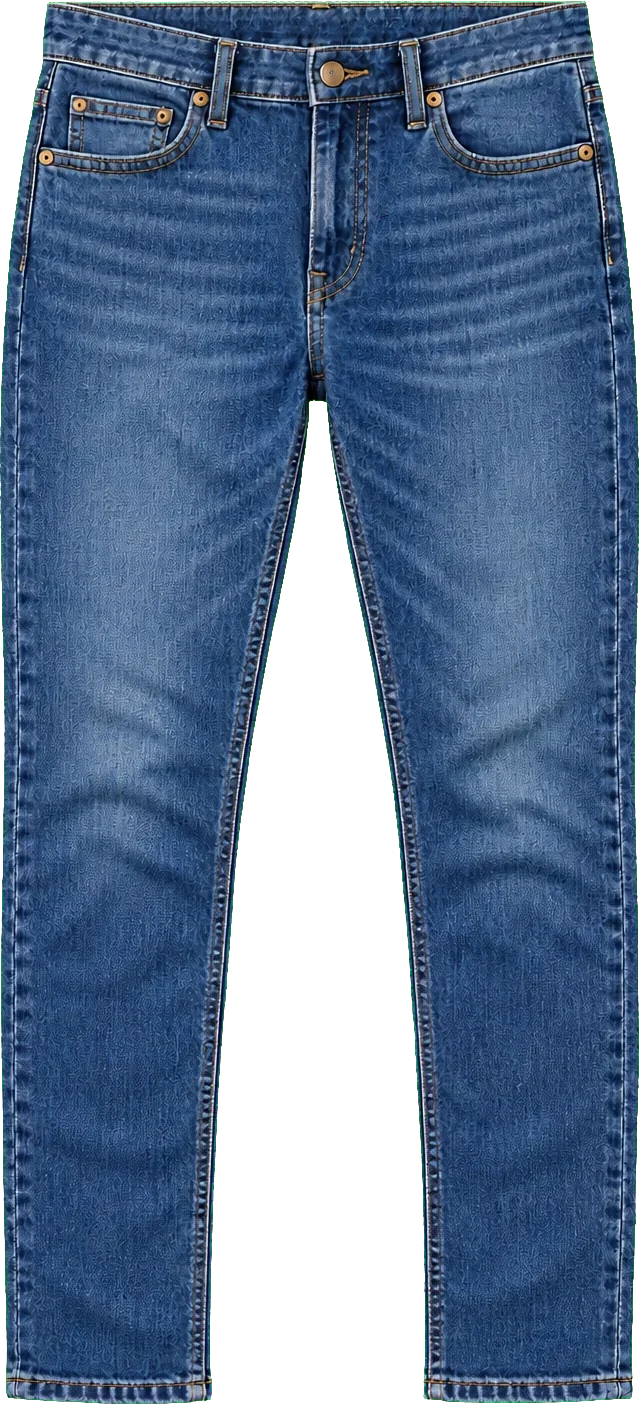
Fabric production is the largest contributor.
Use custom dashboards to analyse total impact and average impact per product, then filter by fibre, season, collection, year, product type or category.
Carbon Trail automatically fills missing product inputs, highlights every filled value for review and explains the reasoning behind it. Teams can replace any filled value when primary data becomes available.
Use recognised LCA methods and retain the calculation trail behind every product. Review the inputs in Carbon Trail or export product-level PDF and Excel reports.
Keep one governed source of product and emissions data, then apply the national and European market context your team needs. Requirements can change without fragmenting the calculation or evidence beneath them.
Track current fashion and retail regulation updates across France and understand what they may mean for your brand.
Common questions from fashion and retail teams evaluating product LCA in France.
Request a DemoLife Cycle Assessment (LCA) software is a tool that helps fashion retailers evaluate the environmental impact of a product like apparel or footwear over its entire life cycle, from farm to the end of life of the product.
ISO 14040/44 provides detailed requirements for conducting an LCA including specifications for choosing impact categories, category indicators, and characterization models. ISO 14067 standard is also used to measure and communicate the environmental impact of specific products through their life cycle.
Most french fashion luxury brands like Kering, LVMH rely on life cycle assessment in their effort to enhance the sustainability of their products. With the emergence ESPR legislation in the EU, the use of LCA has become mainstream to model the impact of repair, reuse, and recycling of products.
LCAs have become a mandatory part of many of the new laws and policies. French Loi Climat (Eco-Score) requires companies to measure environmental impact of their products and show Eco-Score to consumers for full transparency into sustainability efforts.
The traditional Life cycle assessment (LCA) done by consultants like Quantis and Sphera can be quite expensive, costing between €20,000 – €50,000 or more per product depending on its complexity. Platforms like Carbon Trail leverage AI to automate LCAs and can conduct LCAs at scale a fraction of this cost.