What is Carbon Neutral Clothing?
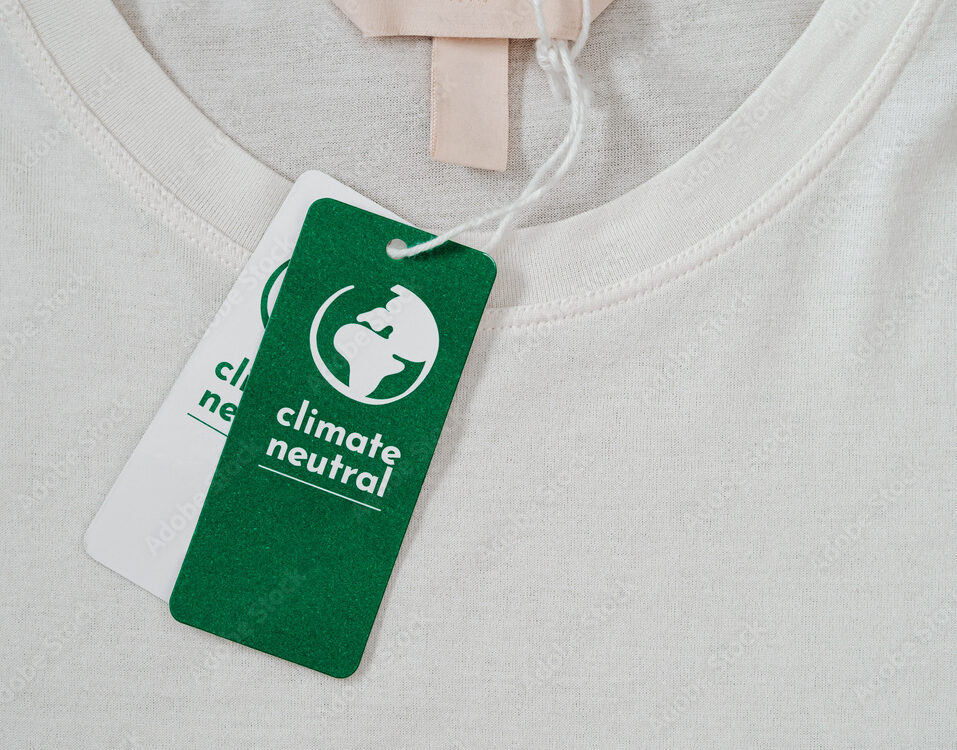
Carbon neutral clothing has been manufactured, distributed, and used in a manner that fully removes all the carbon emissions related to its production process. This implies that emissions given out to the atmosphere through material acquisition, manufacture, transportation, and final disposal are either reduced or offset through carbon-neutral projects such as afforestation, use of clean energy, or reduction of methane emissions. Sustainability enthusiasts such as Allbirds and Reformation announce that they quantify and minimize scopes 1 & 2 emissions while buying scopes 3 emission permits. This approach guarantees that these products have a net carbon credit of zero. Carbon neutral clothing is also associated with sustainable clothing, which includes fair labor practices and organic and environmentally friendly fabrics.
Why is Carbon Neutrality Important in Fashion?
The fashion industry is one of the major culprits that are causing Climate Change. According to the UN Environment report, fashion contributes 2%-8% of total greenhouse gas emissions, or more than the aviation or shipping industries.
Environmental Impact of the Fashion Industry
- High Carbon Emissions: The manufacturing of textiles, particularly polyester, which is made partially from petroleum, releases a lot of CO2. For example, one ton of polyester fabric will release about 5.5 tons of CO2 into the environment during its production.
- Excessive Water Use: Apart from emissions, the industry uses about 79 trillion liters of water every year; this also has some impact on the environment.
- Waste Generation: Around 92 million tons of textile waste are produced every year, and many of them are buried in landfills or burned, thus adding to the emissions.
Connection to Climate Change and Reducing Carbon Emissions
This means that if the fashion industry agrees to start using carbon neutral practices, they can take a big step forward in fighting the effects of climate change. For example, changing from conventional energy to renewable energy sources in the textile sector could lead to a decrease in emissions by up to 40%, as estimated by McKinsey. Carbon neutral clothing also aligns with consumer demand for sustainability.
How is Carbon Neutral Clothing Made?
Reducing Emissions in the Production Process
- Sustainable Sourcing of Materials: Data from the Textile Exchange shows that the use of organic cotton as opposed to regular cotton cuts greenhouse gas emissions by up to 46%. Organic cotton farming also saves water, as 91% less water is used and no dangerous pesticides or fertilizers are used.
Recycled polyester from post-consumer materials such as PET bottles has reduced the use of virgin petroleum-based polyester. Using recycled polyester saves 59% of the energy that is required to make the fiber and keeps millions of plastic bottles from going into landfills. For instance, Adidas has recycled more than 281 million plastic bottles in its apparel and shoes under its “Parley for the Oceans” campaign.
- Renewable Energy in Manufacturing: The majority of factories today use solar, wind, or hydroelectric power, far less polluting than when dyeing, weaving, and finishing garments. For instance, Stella McCartney has embraced the use of renewable energy in their supply chain to reduce its emissions by a third.
Technologies such as waterless dyeing, which DyeCoo practices, reduce both water and energy consumption. As a result, DyeCoo’s method is more efficient than traditional dyeing because it uses water by 100%.
- Innovations for Low-Impact Production: Companies, including Levi’s, employ their Water<Less technology, and it can decrease water consumption for denim finishing by 96%.
Businesses utilized the concept of zero wastage, where all fabric cuts are recovered and recycled instead of being thrown away.
Offsetting the Remaining Emissions
Carbon offset programs counterweight a brand’s carbon footprint by investing in activities that decrease or eliminate greenhouse gases. These initiatives include:
- Reforestation: Tree planting to capture CO2 Friendly activities, one tree grown to maturity removes about 22 kg of CO2 per year.
- Renewable Energy Investments: Promoting investment in solar farms, wind turbines, or hydroelectric systems that help to overcome fossil fuel-based electric power generation.
- Methane Capture: Converting negative greenhouse gas emissions such as methane emission from decomposing garbage or cattle into renewable power sources.
Patagonia funds renewable energy projects and reforestation programs to actively reduce the emissions caused by its production. Another example could be of Reformation, which compensates all operational emissions through investments in renewable energy and afforestation in India and the United States.
Certifications for Credibility
Reliable programs are verified through standards like Gold Standard, Verified Carbon Standard (VCS), and Climate, Community & Biodiversity Alliance (CCBA), ensuring transparency and impact.
Benefits of Carbon Neutral Clothing
Environmental Benefits
- Reduced Greenhouse Gas Emissions: Sustainable clothing prevents the emission of greenhouse gases throughout the value chain of collecting materials, making clothes, and delivering them to consumers.
- Conservation of Natural Resources: Policies like waterless dyeing, recycling of polyester, and crop rotation lower the detrimental consumption of resources in production.
- Reduction in Textile Waste: By embracing a circular economy, companies such as Eileen Fisher and H&M Conscious Collection take back used garments for recycling, saving thousands of tons of waste from landfills yearly.
Social and Economic Benefits
- Supporting Fair Labor Practices: Many carbon neutral companies have endeavored to maintain high levels of ethical labor practices, remunerations, conditions, and non-exploitation of workers within the supply chain. For example, People Tree is a brand that went through the process of becoming carbon neutral. They work with Fair Trade to empower workers in developing countries.
- Growing Demand for Eco-Friendly Brands: Being aware of possible climate changes, many consumers tend to choose brands, which are completely or at least partly environmentally friendly. Allbirds and Pangaia are good examples of brands exploiting this situation by always informing their customers about sustainable activities.
- Economic Savings from Resource Efficiency: These measures such as energy efficiency and waste minimization cut costs of operation in the longer run. For instance, through its ‘Move to Zero’ corporate initiative, Nike has saved millions through waste and renewable energy.
How to Identify Carbon Neutral Clothing Brands
Certifications and Labels to Look For
Certifications help verify a brand’s sustainability claims. Labels like CarbonNeutral Certification and Climate Neutral Certified ensure brands have measured, reduced, and offset their emissions. For instance, Allbirds, a Climate Neutral Certified brand, uses sustainable materials like sugarcane-based EVA and funds global renewable energy projects to offset its remaining emissions. Similarly, Boden, certified by Climate Impact Partners, offsets its emissions through clean cookstove projects in Kenya. Eco-friendly certifications like GOTS (Global Organic Textile Standard) and Cradle to Cradle Certified also highlight brands prioritizing organic materials and circular economy practices. Choosing certified brands is a reliable way to support sustainability.
Questions to Ask When Shopping
When considering buying carbon neutral clothing, the first thing that one should do is assess the transparency of the brand. What actions does the brand take to publicly declare its supply chain and emissions? For instance, Everlane has a detailed list showing their factories and the ways in which they operate. Secondly, decide whether the brand employs sustainable sources like organic cotton or recycled polyester which, for example, Pangaia uses seaweed fibers and recycles plastics. Finally, interests should be raised as to where the brand contributes in terms of carbon offsets. Companies such as Reformation pay for verified projects such as reforestation or renewable energy to offset their emissions.
Popular Brands Leading the Carbon Neutral Clothing Movement
Examples of Carbon Neutral Clothing Brands
Currently, Patagonia is one of the leaders of sustainable fashion by using organic and recycled materials, and investing in carbon offset. The brand invests in renewable energy across the world and in forest protection, while minimizes the waste by reusing the clothes through the Worn Wear Program. In the same manner, Reformation ensures the luxurious and fashionable collections include sustainable fabrics, such as TENCEL™, and recycled clothing. This way, Reformation guarantees that the amount of emissions generated during its production, shipping, and operation remains off-set to zero.
What Sets These Brands Apart?
Carbon neutral brands facilitate customers, especially because they are innovative and transparent. Correct decisions such as using recycled fishing nets as fabrics at Patagonia supported sustainable production techniques as part of the circular economy. Reformation also releases its sustainability reports, which show public achievement in lowering emissions and implementing renewable energy. These are unique brands that are revolutionizing fashion by implementing sustainability into the fabric of the whole manner in which they design their clothing, how they make them, and where they sell them.
Steps to Transition Your Wardrobe to Carbon Neutral Clothing
Start with Small Changes
Transitioning to a carbon neutral wardrobe doesn’t happen overnight, but small, intentional changes can make a big difference. Begin by focusing on buying less and buying better. Choose timeless, high-quality pieces that last longer, reducing the need for frequent replacements. For example, investing in a durable organic cotton t-shirt can save resources compared to purchasing several low-quality synthetic ones over time. By prioritizing quality over quantity, you reduce waste and support sustainable brands that focus on long-lasting design.
Embrace Sustainable Alternatives
The emerging conscious consumer trends such as thrifting and upcycling are taking root as environmentally friendly fashion practices. Buying used clothing saves them from directly going to the garbage bin and provides special and cheap pieces. Applications such as ThredUp and Depop are making second-hand purchasing more convenient and cool. Platforms such as Rent the Runway and Flyrobe enable the consumption of luxury fashion pieces in a non-owning manner, thus promoting circularity.
Challenges and Future of Carbon Neutral Clothing
Barriers to Widespread Adoption
The key challenges for carbon neutral clothing involve the high costs of recycling and, more principally, the costs of the sustainable material and processes required for fabrication. Organic fabrics and renewable energy are more costly than standard fabrics and energy, thus small brands cannot afford them and consumers cannot buy them. However, many consumer populations remain unaware and uninformed regarding these issues, which acts as a limiting factor to the expansion of the technology.
The Future of Fashion and Carbon Neutrality
The dialogue on carbon neutrality must advance to the level of innovation and overall systems change. The practice of designing circular products, especially clothing, is increasingly gaining popularity as part of sustainable development. Companies such as Eileen Fisher and H&M’s Conscious have been sourcing take-back programs and technologies that turn worn-out garments into new ones. Regenerative farming is another emerging innovation whose practices such as crop rotation and replenishing of soil also cut on emissions and boost the diversity of life on Earth. Technology is also facilitating innovation and sustainable solutions such as bio textiles and the use of blockchain in supply chain management that promotes accountability.
Conclusion
Carbon neutral clothing is a crucial step toward a sustainable future. By reducing emissions during production and offsetting the remainder through environmental projects, this approach significantly minimizes the fashion industry’s impact on climate change. The transition to carbon neutral practices also encourages responsible consumption and promotes the use of renewable resources. As conscious consumers, your choices have the power to drive change. Supporting brands that prioritize sustainability, investing in durable, eco-friendly garments, and embracing alternatives like secondhand shopping can collectively reduce the fashion industry's carbon footprint. Together, we can create a world where fashion is not only stylish but also environmentally responsible.