What is Sustainability?
Sustainability in carbon accounting is the process of tracking and reporting emissions of Greenhouse gases systematically to strike the balance between economic growth and environmental protection. It is a strategic tool for organizations in their endeavors of lowering their emission levels and getting to net-zero, and overall compliance with global frameworks and indicators like the United Nations’ Sustainable Development Goals and Paris Agreement. Carbon accounts are useful in documenting emissions, managing risks, and implementing change by giving an organization a structure to monitor its performance. Sustainability as a component of carbon accounting comprises environmental, social, and governance (ESG) factors. However, it is more than just compliance and a legally binding approach that focuses on implementing the concept of cost-effectiveness, energy efficiency, and low-carbon technologies.
Understanding Sustainability in Carbon Accounting
To comprehend sustainability in carbon accounting, it is essential to understand its core components:
- Measurement: The precise measurement of total emissions of GHG in the company and every activity it carries out including the direct emissions, energy-related emissions, and all the remaining other emissions in the business value chain.
- Management: Measures to reduce emissions can be undertaken through the proper use of energy-efficient devices and appliances, the use of renewable energy, and optimization of production and service processes.
- Reporting: Currently, there is disclosure of carbon accounts to the stakeholders through the GHG protocol, the CDP, and the TCFD.
Scope of Sustainability
The scope of sustainability in carbon accounting spans multiple dimensions, including:
- Corporate Sustainability: Carbon accounts help to establish goals for emission reductions, to include sustainability in an organization’s plans, and to meet the requirements of carbon prices and emission trading systems.
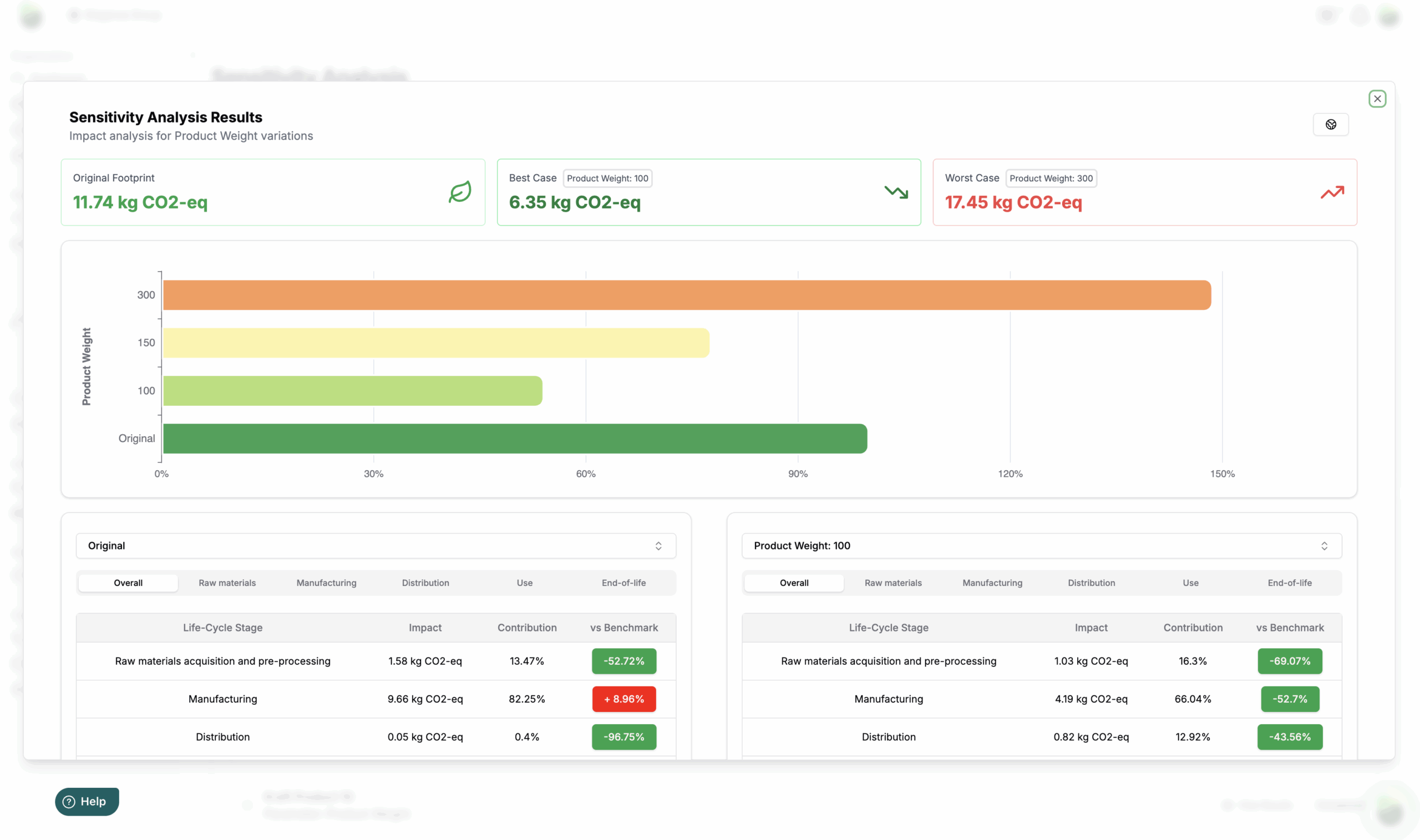
- Environmental Impact Analysis: Carbon accounting or carbon management is used in checking the impacts of products and services, as well as for life cycle assessments such as eco-labeling.
- Policy and Compliance: Federal, state, and local governments, as well as other regulatory authorities, employ carbon accounting in implementing climate measures, setting up carbon levies, and marketing sustainable energy investments.
- Supply Chain Management: Businesses leverage carbon accounts to identify emission hotspots in their supply chains and collaborate with suppliers on sustainability goals.
- Carbon Offsetting and Trading: Sustainability in carbon accounting also includes mechanisms like carbon credits and offsets to neutralize unavoidable emissions and foster investment in green projects.
Types of Sustainability in Carbon Accounting
- Organizational Carbon Accounting: Focuses on measuring and managing emissions at the organizational level, including facilities, transportation, and employee activities.
- Product Carbon Footprinting: Examines the emissions associated with the lifecycle of a product or service, from raw material extraction to disposal.
- Project-Level Carbon Accounting: Involves assessing the emissions impact of specific projects, such as infrastructure development or renewable energy installations.
- Sectoral Carbon Accounting: Applies to entire industries or sectors, enabling benchmarks and sector-specific sustainability strategies.
FAQs
What are carbon accounts, and why are they important for sustainability?
Carbon accounts are systematic records of an organization’s GHG emissions. They are critical for tracking progress toward sustainability goals, complying with environmental regulations, and identifying cost-saving opportunities through energy efficiency.
How does carbon accounting support sustainable development?
By identifying emission sources and enabling reduction strategies, carbon accounting aligns businesses with global sustainability frameworks and fosters a transition to a low-carbon economy.
What tools are used in carbon accounting?
Tools such as the Greenhouse Gas Protocol, ISO 14064 standards, and software solutions like SimaPro and Carbon Trust Footprinting help organizations maintain accurate carbon accounts.