What is Value Chain Emissions?
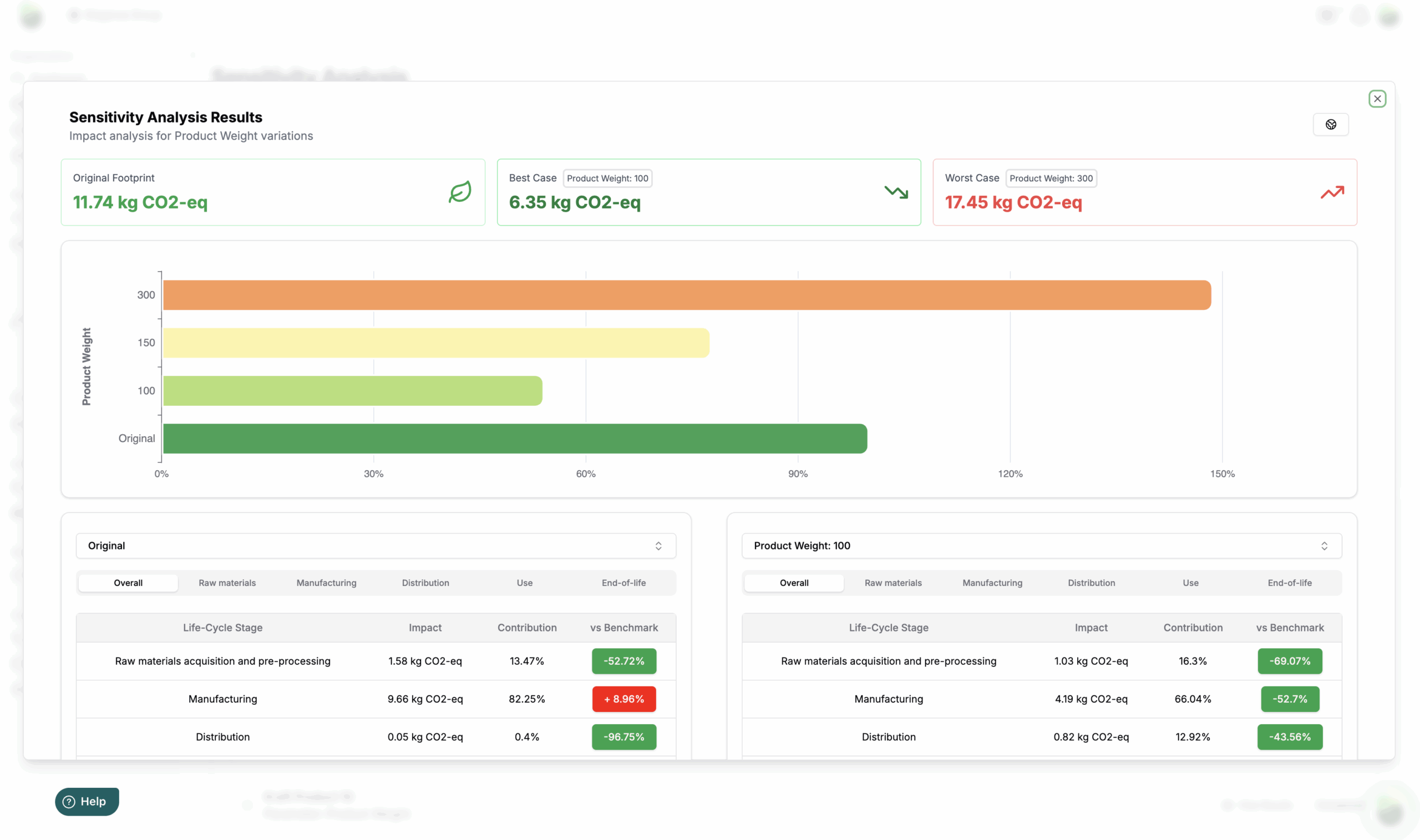
Value chain emissions are defined as total GHG emissions related to a product or service from its conception to its disposal. These emissions are cradle to grave covering raw material extraction, manufacturing, distribution, usage, and end of life disposal. Value chain emissions are of great importance in carbon accounting since they offer insights on the effects that an organization has on the environment apart from its operations.
Understanding Value Chain Emissions
Value chain emissions are divided into three categories under the GHG Protocol:
- Scope 1 Emissions: Direct emissions from sources that are owned or controlled by the organization.
- Scope 2 Emissions: Indirect emissions from the generation of purchased electricity, steam, heating, and cooling consumed by the organization.
- Scope 3 Emissions: All other indirect emissions that occur in the value chain, including both upstream (e.g., supply chain) and downstream (e.g., product use and disposal) activities.
Components of Value Chain Emissions
- Upstream Emissions: Emissions from activities such as the extraction and processing of raw materials, manufacturing, transportation, and distribution of inputs to the organization.
- Downstream Emissions: Emissions from the transportation, distribution, use, and end-of-life treatment of products and services provided by the organization.
Importance of Measuring Value Chain Emissions
Value chain emissions refers to total emissions from a product or service through every phase in the organisation’s value chain. It also allows setting broader and more challenging goals, including science-based targets consistent with global climate objectives.
Strategies for Reducing Value Chain Emissions
- Supply Chain Optimization: Collaborating with suppliers to improve energy efficiency, reduce waste, and switch to low-carbon materials and processes.
- Product Innovation: Designing products with lower carbon footprints by using sustainable materials, increasing energy efficiency, and planning for recyclability or reuse.
- Customer Engagement: Encouraging customers to use products more efficiently and providing options for recycling or responsible disposal at the end of the product’s life.
FAQs
1. What are value chain emissions, and why are they important?
Life cycle emissions from the value chain are defined as the total amount of GHGs that are emitted by a particular value activity along the provision of the value chain. This is important because the environmental reports consider the organizational impact and influence on its environment that may not necessarily have a direct relation with the organization.
2. How can organizations reduce value chain emissions?
Companies can lower value chain emissions by improving supply chain, inventing low-carbon goods, cooperating with the suppliers as well as encouraging customers to use and dispose goods sustainably.