Scope 3 Emissions
What are Scope 3 Emissions?
Scope 3 emissions are also components of carbon accounting, which pinpoints all the indirect greenhouse gas emissions within a company’s supply chain. While Scope 1 encompasses direct emissions and Scope 2 – emissions from the use of purchased electricity, the emissions in Scope 3 are those from activities the organization doesn’t fully control. Such emissions comprise transport, waste, business travel, product usage, and others. Scope 3 emission understanding is critical in organizations that have the goal to reduce greenhouse gas emissions and enhance their carbon balance.
Understanding Scope 3 Emissions
In carbon accounting, the indirect emissions or Scope 3 are normally the largest emission contributor for many organizations, particularly for companies operating in the retailing, manufacturing, and service industries. They are related to all aspects of product utilization; extraction of materials, movement of goods, employees’ commute, and disposal of products when they reach the end of their life cycle. However, controlling Scope 3 emissions is challenging because everyone and everything exists in this scope, and most of the emissions arise from different and often indirect sources within an organization.
Key Sources of Scope 3 Emissions
When considering carbon accounts, it is essential to identify the key sources of Scope 3 emissions. These sources can be grouped into several categories, including:
- Upstream Emissions:
- Purchased goods and services
- Capital goods
- Fuel and energy-related activities (not included in Scope 1 or Scope 2)
- Upstream transportation and distribution
- Waste generated in operations
- Downstream Emissions:
- Product use (e.g., emissions from the use of products sold)
- End-of-life treatment of sold products (e.g., waste disposal, recycling)
- Downstream transportation and distribution
- Investments and franchise operations
Each of these categories contributes to an organization’s overall Scope 3 emissions, and tracking them helps to provide a more accurate carbon account.
Measuring and Managing Scope 3 Emissions
Scope 3 emissions are generally the toughest to estimate in carbon accounting since they require information from numerous suppliers, contractors, and other third parties. However, it is possible to measure Scope 3 emissions by using data such as:
- Supplier emissions data: It is also possible for organizations to gather information on suppliers showing the number of emissions that they are responsible for about the production of specific products as well as the provision of certain services.
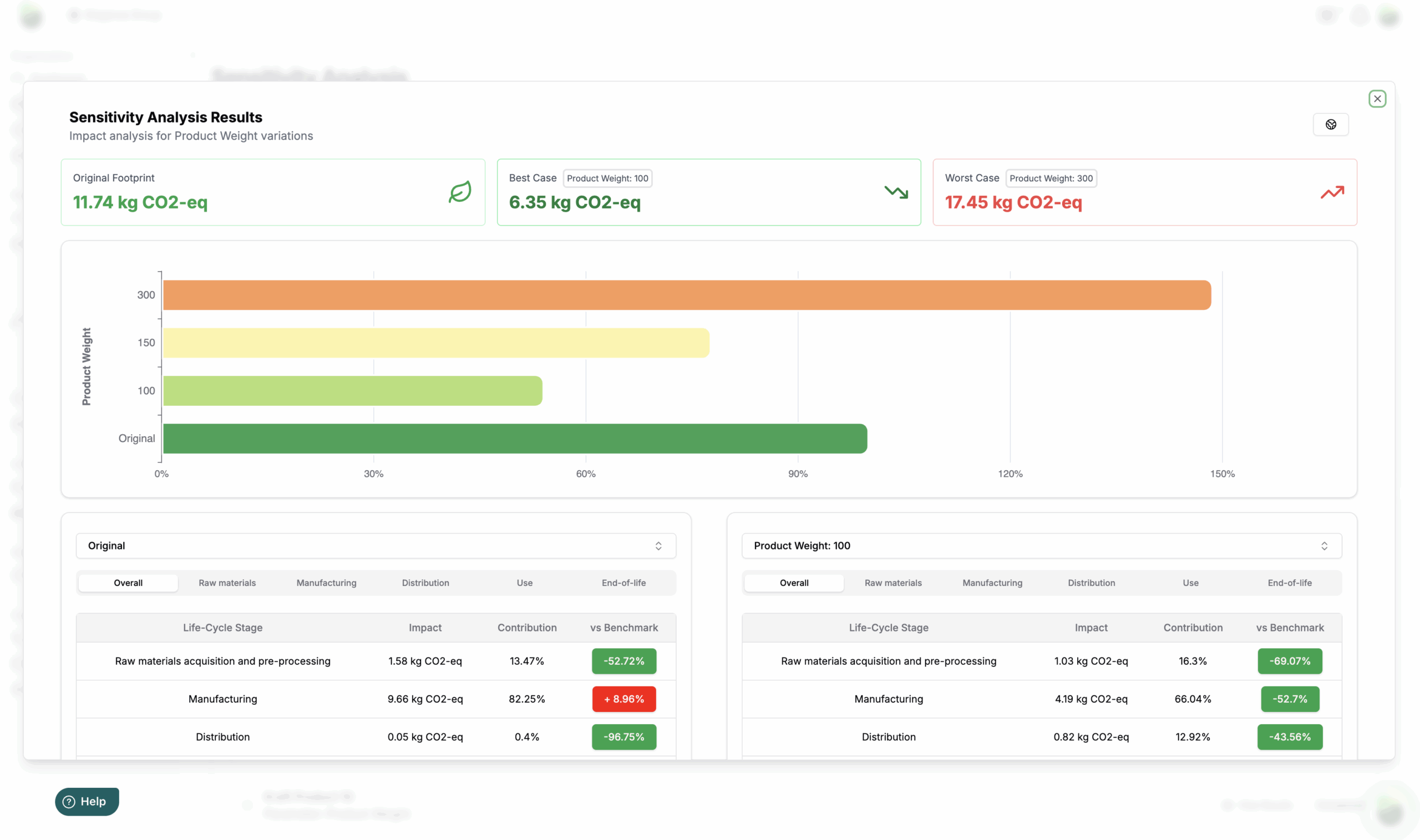
- Life Cycle Analysis (LCA): This method quantifies the overall carbon emissions of the product from its birth to its disposal, with the inclusion of Scope 3.
- Carbon Footprint Calculators: These tools can be of application in predicting emissions from activities data such as product transport, energy usage, etc.
Once Scope 3 emissions are measured, organizations must focus on management strategies. This includes:
- Engaging suppliers in carbon reduction efforts.
- Encouraging the use of low-carbon materials.
- Promoting circular economy practices (e.g., recycling, reusing materials).
- Setting clear targets and reporting on emissions reductions.
Importance of Scope 3 Emissions in Carbon Accounting
Incorporating Scope 3 emissions into carbon accounts is increasingly recognized as crucial for businesses aiming to achieve comprehensive sustainability goals. By accounting for all emissions—direct and indirect—organizations can:
- Accurately measure their total carbon footprint: Including Scope 3 emissions provides a complete picture of a company’s environmental impact.
- Enhance supply chain sustainability: Managing Scope 3 emissions helps companies work with suppliers to reduce emissions and improve overall sustainability.
- Strengthen transparency and reporting: Stakeholders, investors, and customers increasingly demand transparency in environmental impact. Accurately reporting Scope 3 emissions shows a commitment to sustainability.
- Comply with regulations: Many jurisdictions now require reporting on Scope 3 emissions, and companies must adhere to these standards to avoid penalties.
FAQs
Why are Scope 3 emissions so difficult to measure?
It is challenging to calculate scope 3 emissions because they are indirect and originate from numerous activities. Data must be gathered from numerous external parties, including suppliers, customers, and waste handlers, which can be challenging in terms of access and accuracy.
Can Scope 3 emissions be reduced?
Yes, Scope 3 emissions can be reduced by improving the energy efficiency of the supply chain, choosing lower-carbon materials, collaborating with suppliers to reduce their emissions, and encouraging the recycling or reuse of products.
How can I reduce Scope 3 emissions in my carbon accounts?
To reduce Scope 3 emissions, you should work closely with your suppliers to encourage carbon reduction practices, implement product take-back programs, and assess the environmental impacts of your products throughout their lifecycle.