PEF Score
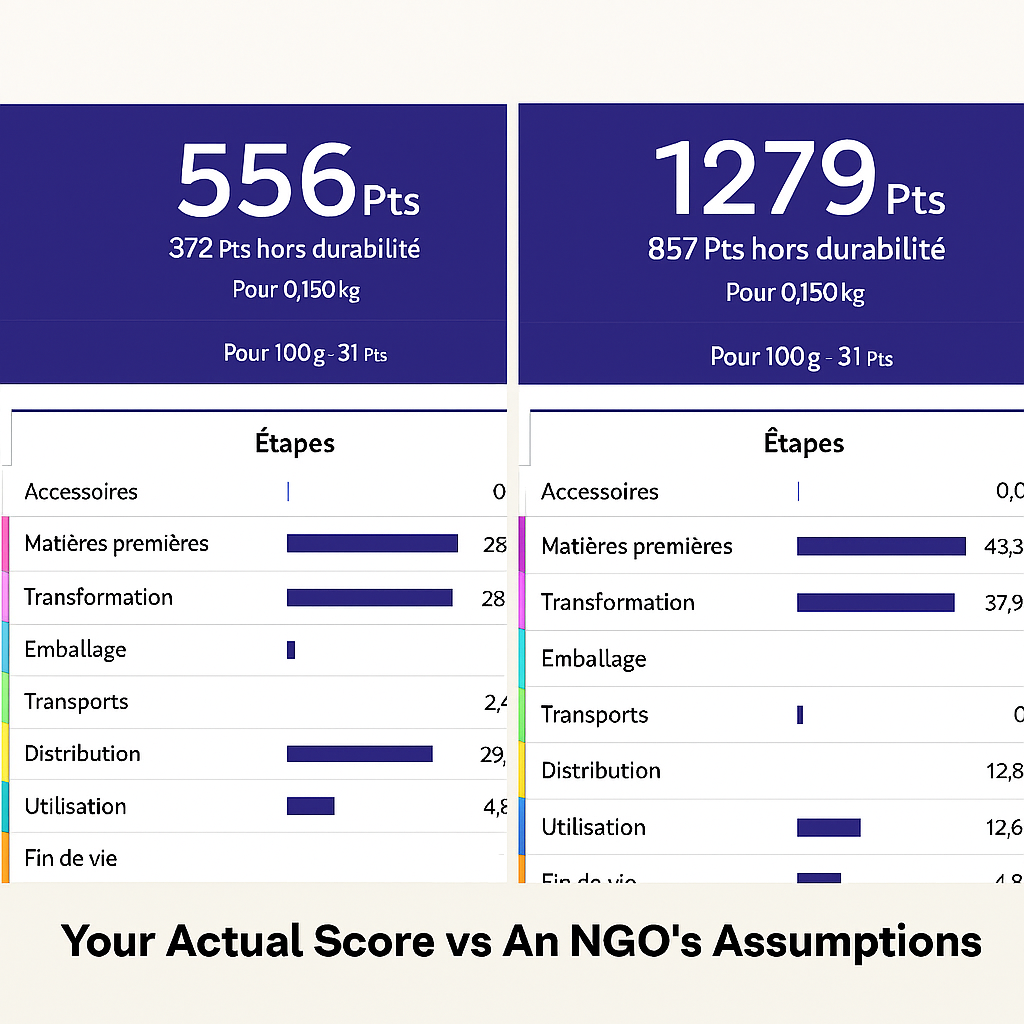
The PEF Score (Product Environmental Footprint Score) is a comprehensive metric introduced by the European Commission to evaluate the overall environmental impact of a product or service. It is calculated as a single aggregated value derived from the performance across multiple environmental impact categories, offering an integrated approach to sustainability assessment.
Key Features of the PEF Score:
- Multi-Criteria Assessment: The PEF Score accounts for various environmental impact categories, including:
- Climate change
- Water use
- Resource depletion
- Acidification
- Eutrophication
- Weighting Factors: Each impact category is assigned a specific weight based on its relative importance to overall sustainability. These weights are applied to normalize and aggregate the data into a single score.
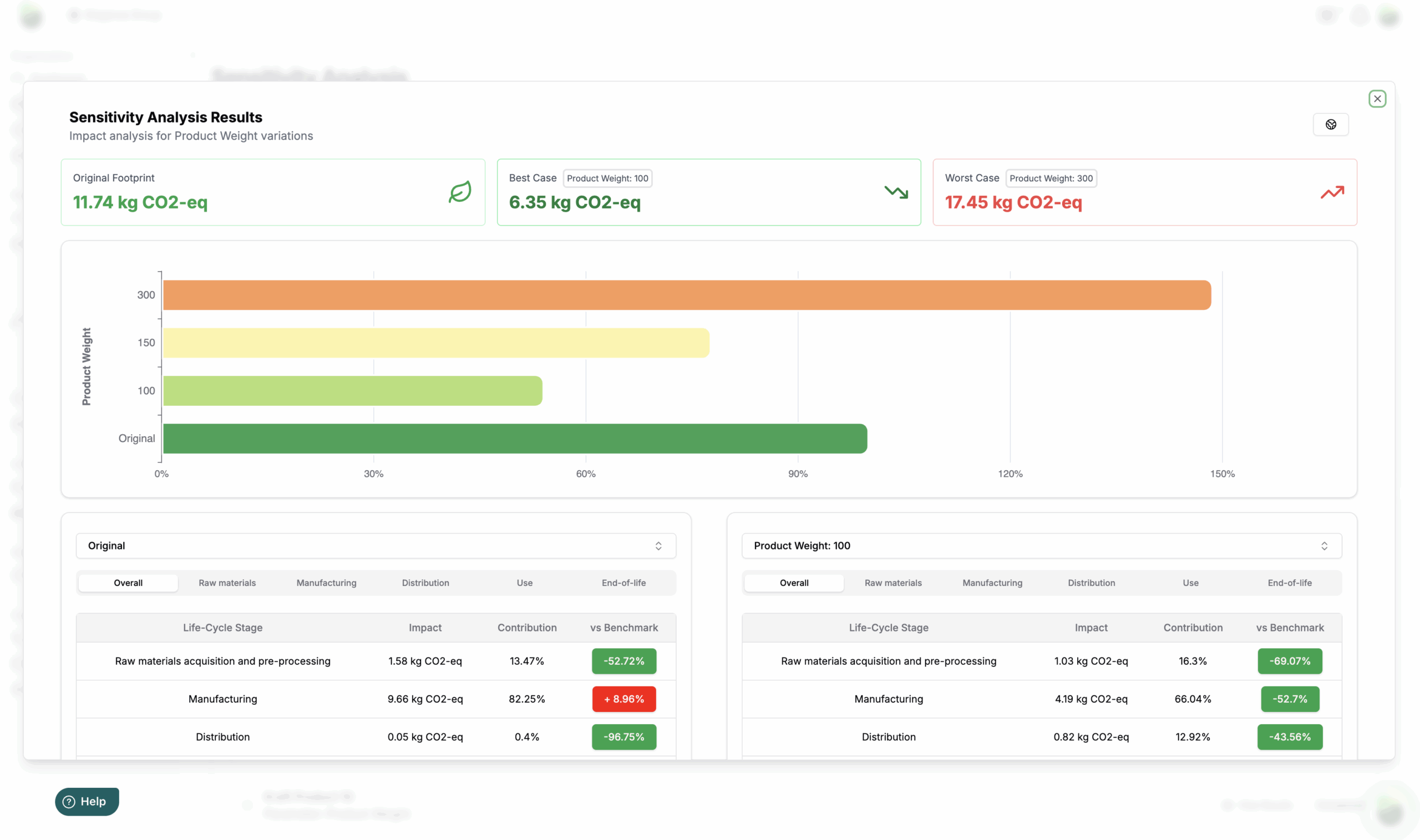
- Lifecycle Perspective: The score is based on the Life Cycle Assessment (LCA) methodology, analyzing the environmental footprint from production to disposal.
- European Standards: Developed as part of the European Commission’s efforts to standardize environmental assessment, the PEF framework ensures consistency and comparability across products and services.
Why is the PEF Score Important?
- Consumer Transparency: Provides an easy-to-understand metric for consumers to compare the environmental impacts of different products.
- Policy Development: Supports policymakers in creating regulations and incentives for sustainable practices.
- Corporate Sustainability: Helps businesses identify areas for improvement in their supply chains and production processes.
Practical Applications:
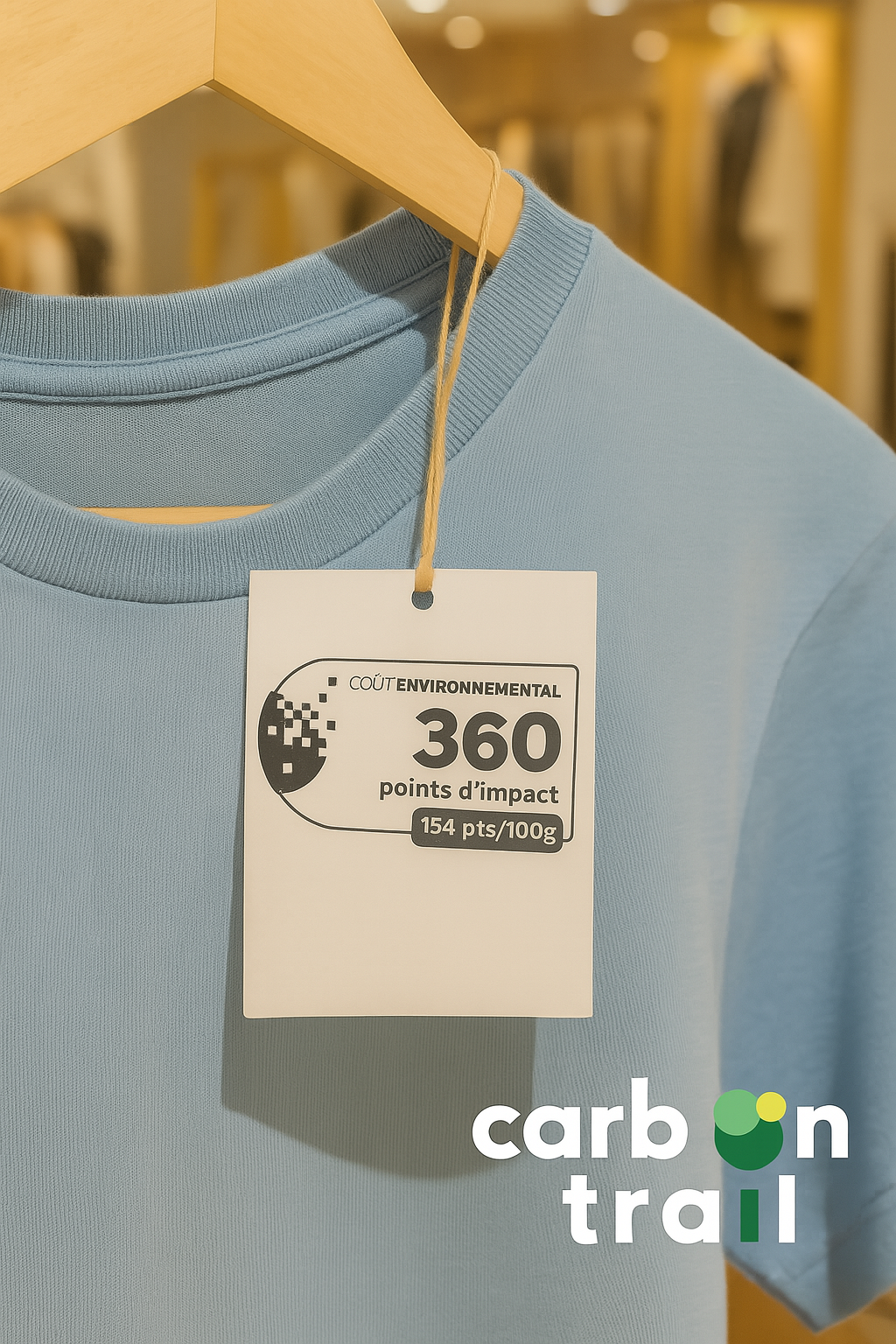
- Product Labeling: Displaying the PEF Score on product packaging helps inform eco-conscious consumer choices.
- Sustainability Reporting: Companies use the PEF Score to showcase their environmental performance to stakeholders.
The PEF Score represents a significant step toward promoting environmental accountability and fostering a greener economy. By integrating this metric into decision-making processes, both businesses and consumers can contribute to sustainable development goals.
FAQs About PEF Score
1. What does the PEF Score measure?
The PEF Score measures the overall environmental impact of a product or service by aggregating data from multiple environmental impact categories, such as climate change, water use, resource depletion, and more. It provides a single metric to evaluate sustainability throughout a product's lifecycle.
2. How is the PEF Score calculated?
The PEF Score is calculated using Life Cycle Assessment (LCA) methodology. It involves evaluating a product's environmental impact across various categories, normalizing the results, and applying weighted factors to aggregate them into a single score. These weights are determined based on the relative importance of each impact category.