Greenwashing
What is Greenwashing?
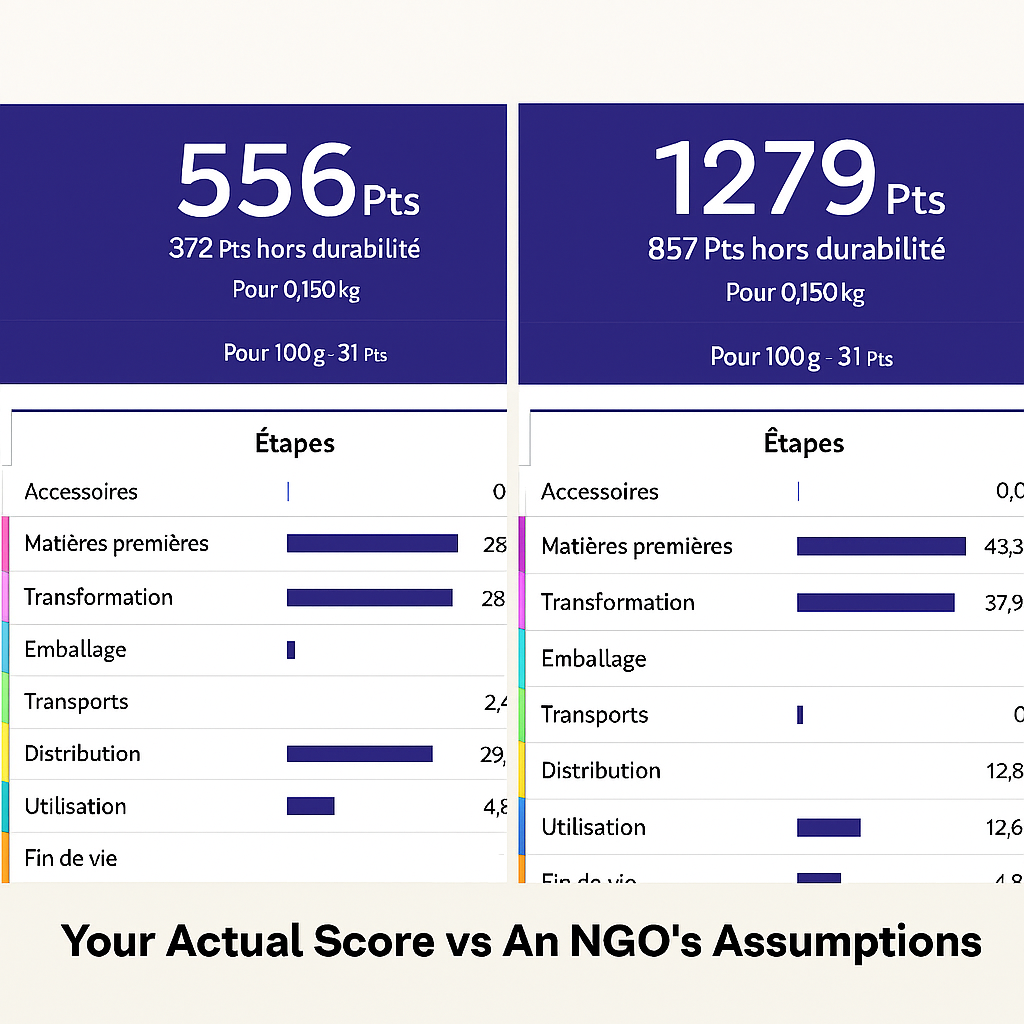
Greenwashing is a process through which consumers, investors, or stakeholders are tricked into believing that an organization is more eco-friendly than it indeed is. In terms of carbon accounting, greenwashing becomes a situation wherein firms make additional assertions on the reduction of carbon emissions or the achievement of some level of carbon-neutral status without the correct supporting actions. This can often happen, especially when organizations fiddle with their carbon dioxide emissions information, usually for organizational reputation enhancement or for policy compliance without having to effectively change their environmental impacts. Greenwashing can be loosely defined as a practice where an organization or company seeks to give its audience a positive and false impression about an organization’s, product’s, or service’s environmental impact. It can range from misleading statements about sustainability, its carbon-neutral image, or the environmental friendliness of a certain product or producing a particular service.
Features of Greenwashing
- Misleading Claims: Manufacturers may label their products as ‘Environmentally friendly or ‘organic’ when in a real sense the proof of these claims is lacking.
- Lack of Transparency: Greenwashing corporations are usually known to hide essential pieces of information that their supply chain or production process entails from customers.
- Exaggerated Environmental Benefits: Marketing may claim that the organization uses environmentally friendly packaging yet, the actual impact results from excessive consumption of energy in producing the packaging.
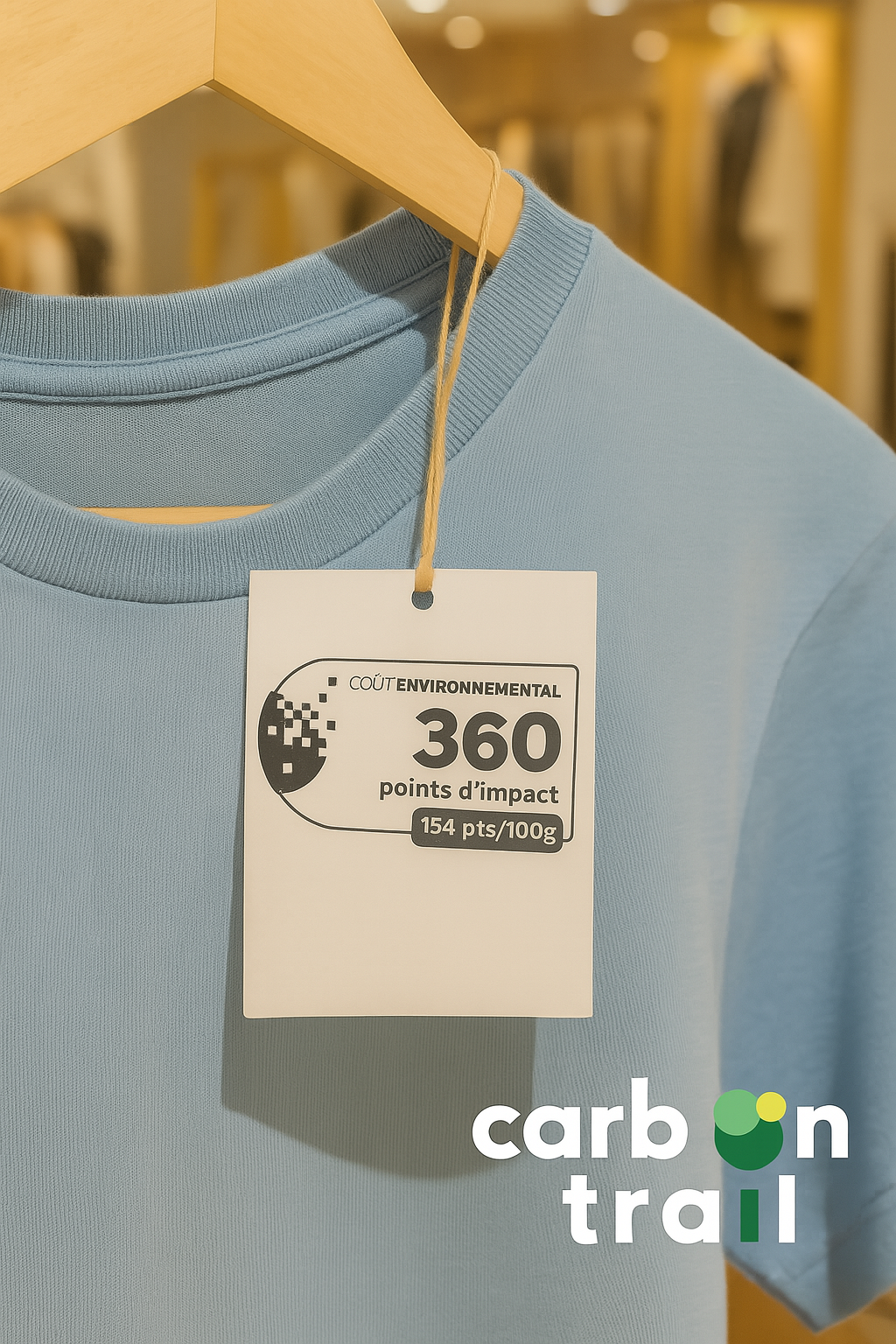
- Misleading Certifications: It is not shocking to find some organizations producing their own environmental label or coming up with irrelevant certifications, intending to giving a perception that it meets the green or sustainable production standard.
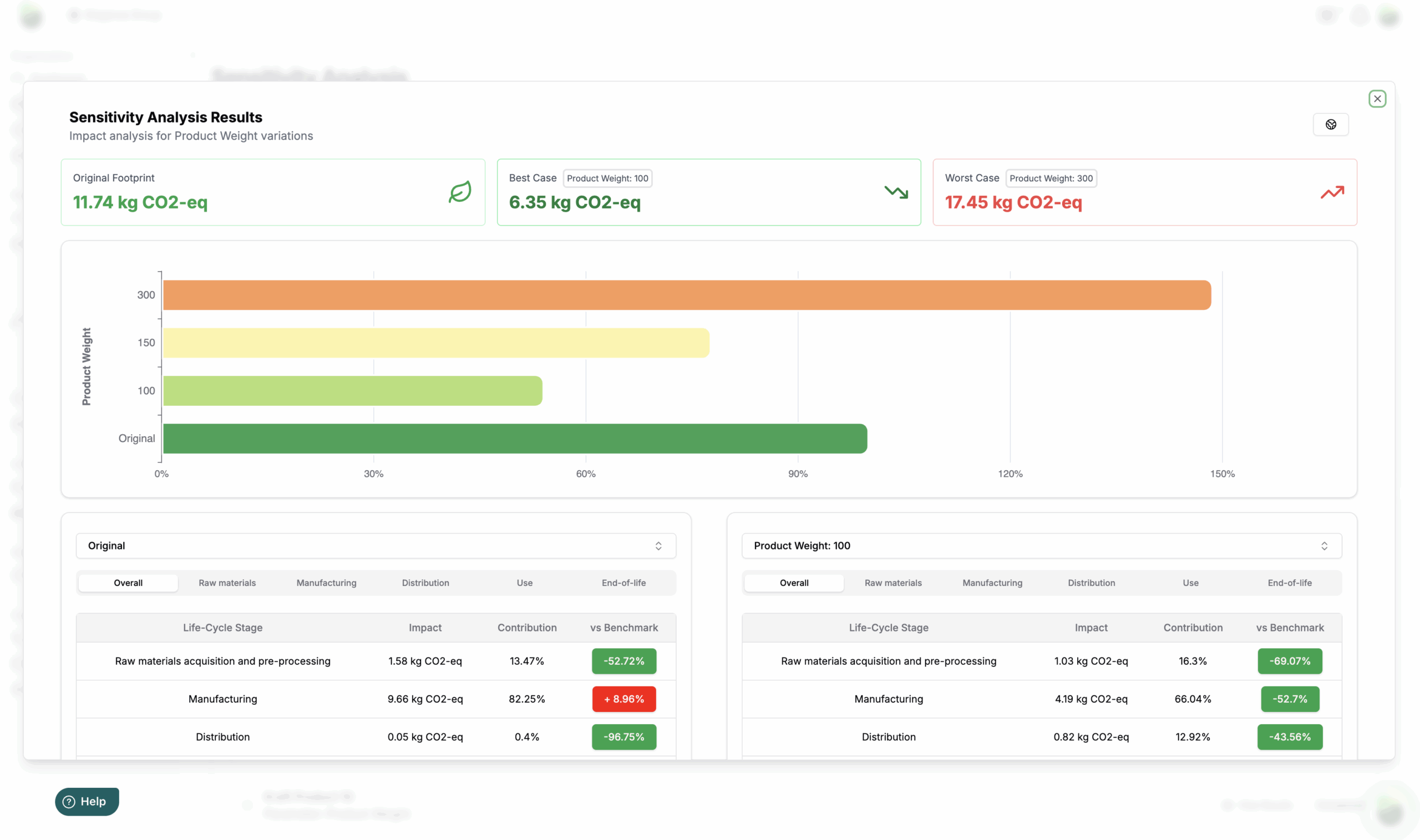
- Carbon Accounts Manipulation: Greenwashing can mean disguising or erasing real carbon numbers, where firms may lie about their organization’s or product’s emissions or fail to report on them at all.
Understanding Greenwashing
Greenwashing misleads consumers by masking the reality of a company's environmental impact. It exploits the growing demand for eco-friendly products without implementing significant changes in production or practices. Greenwashing undermines real sustainability efforts by diverting attention from companies genuinely reducing their carbon accounts or improving environmental practices.
FAQs on Greenwashing
How can I identify greenwashing?
Look for vague terms like "eco-friendly" or "green" without clear explanations. Investigate whether the company provides evidence, such as carbon accounts or third-party certifications, to back up their claims.
Are there any laws against greenwashing?
In many countries, advertising regulations require companies to substantiate environmental claims. However, enforcement is often weak, and consumers must be vigilant about claims that lack transparency or proof.
Why is greenwashing harmful?
Greenwashing undermines trust in genuine sustainability efforts and makes it more difficult for consumers to make informed choices. It also allows companies to profit from misleading claims without addressing their true environmental impact.
Can businesses be held accountable for greenwashing?
Yes, some companies have faced lawsuits or fines for making false environmental claims. However, many still get away with it due to the lack of strict regulations or clear standards for what constitutes “green” products.
How can I avoid falling for greenwashing?
Do your research. Check for certified labels, review the company’s sustainability reports, and understand their carbon accounts. Look for transparency and detailed information about their environmental practices.