Cradle-to-Grave
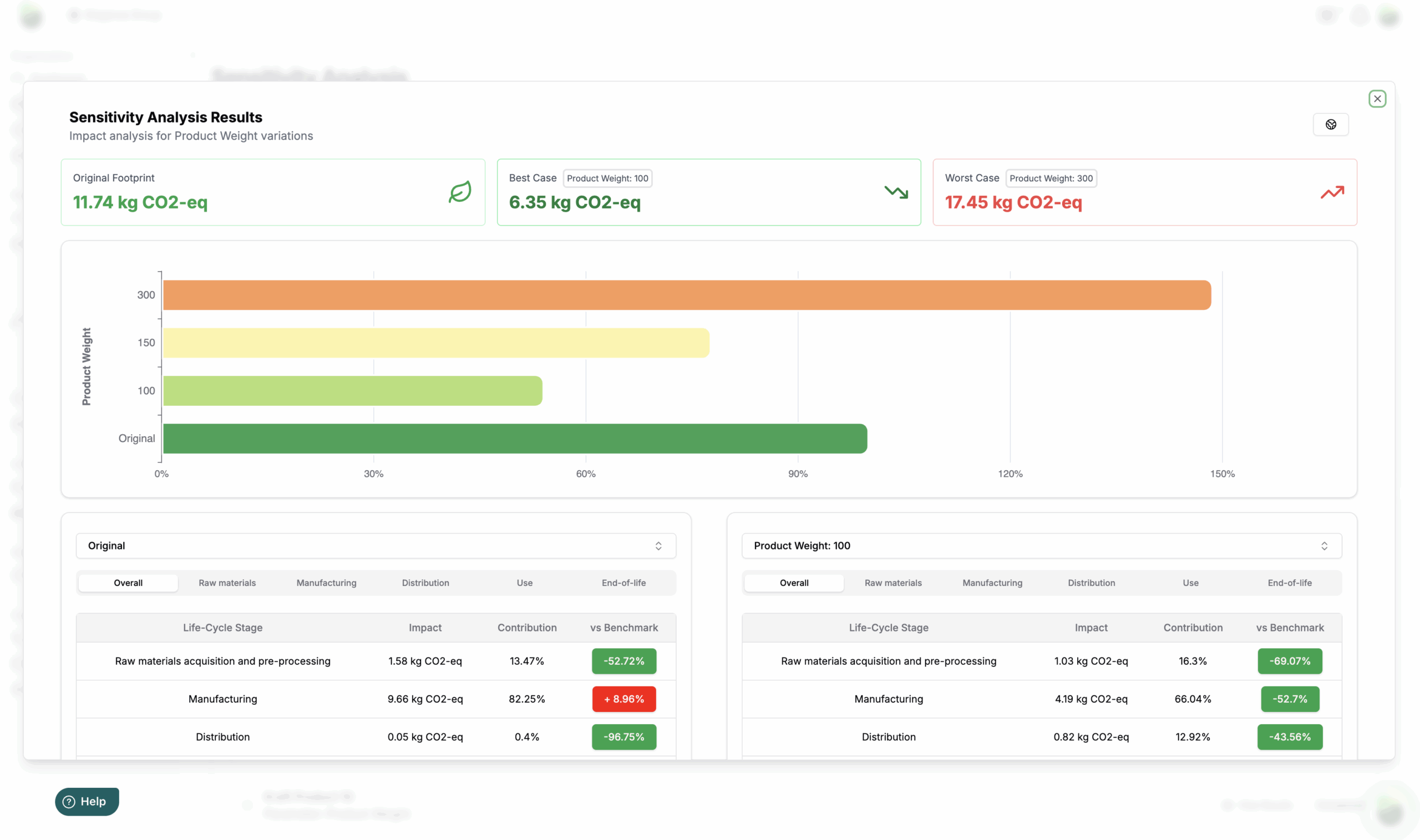
Cradle to grave is a complete life cycle assessment that considers every aspect of a product from its extraction from the womb right up to its usefulness and disposal. It evaluates the production, distribution, consumption, and disposal cycle namely the recycling or landfill stage in one go.
Importance of Cradle-to-Grave Assessments
Cradle-to-grave assessments paint an overall picture of the environmental impact of a product and assist companies in understanding the sustainability of a particular product. They assist different industries in making proper decisions in relation to the design of products, the type of material used, and how to dispose of them to minimize the effects on the environment.
Applications of Cradle-to-Grave
- Full environmental impact analysis of consumer products, packaging, or industrial goods.
- Assisting companies in designing products with better end-of-life recycling or disposal options.
- Informing eco-labeling and sustainability certifications by providing comprehensive life cycle data.
Benefits of Cradle-to-Grave Assessments
- Provides a complete understanding of a product's environmental footprint.
- Supports sustainable product design by identifying the most impactful stages of a product's life.
- Enhances corporate responsibility by addressing the entire life cycle, including end-of-life disposal.
FAQs on Cradle-to-Grave
How does Cradle-to-Grave help in designing more sustainable products?
Cradle-to-grave evaluations enable an organization to assess the environmental cost of the given product throughout its lifecycle. This assists in the re-design of the product to be resource efficient, to have less emission during its manufacturing period, and/or to have better recycling or disposal techniques upon its disposal.
Why is Cradle-to-Grave considered a more comprehensive approach than Cradle-to-Gate?
Cradle-to-grave is preferable because concerns risks of the entire life cycle of a product that spans from the acquisition of raw materials to the disposal of the product. It also includes environmental costs during usage of a product as well as during its disposal, meaning that it provides a more comprehensive account of a product’s sustainability.