Carbon Footprint
What is a Carbon Footprint?
A carbon footprint is the total amount of greenhouse gases, primarily carbon dioxide (CO2), that are emitted directly or indirectly by an individual, organization, event, or product throughout its entire life cycle. It is usually calculated in units of carbon dioxide equivalents (CO2e) to account for the different global warming potentials of various greenhouse gases.
Importance of Understanding Carbon Footprint
Understanding one's carbon footprint is crucial for recognizing and minimizing the impact of climate change. By measuring emissions, individuals and companies can take targeted actions to reduce their carbon footprint, contributing to global initiatives to combat climate change. Key reasons to understand and control carbon footprints include:
- Climate Action: Minimizing carbon footprints helps reduce overall greenhouse gas emissions, tackling global warming.
- Resource Efficiency: Identifying high-emission activities can result in more effective use of resources and cost savings.
- Environmental Responsibility: Understanding of carbon footprints encourages sustainable behaviors and practices.
- Regulatory Compliance: Understanding carbon footprints can help companies adhere to environmental regulations and requirements.
Benefits of Reducing Carbon Footprint
- Environmental Protection: Reducing carbon footprints minimizes the emission of greenhouse gases, conserving ecosystems and biodiversity.
- Healthier Communities: Lowering emissions enhances air quality, resulting in improved public health outcomes.
- Economic Savings: Energy efficiency and sustainable practices often lead to cost savings for individuals and organizations.
- Enhanced Reputation: Showcasing dedication towards sustainability can boost the reputation and brand value of businesses.
How to Reduce Carbon Footprint?
- Energy Efficiency: With energy-efficient appliances, lighting, and heating/cooling systems, companies can greatly minimize energy consumption and release.
- Renewable Energy: Transitioning to renewable energy sources such as solar or wind power lowers dependence on fossil fuels.
- Sustainable Transportation: Using public transport, cycling, walking, or driving fuel-efficient vehicles can reduce transportation-related emissions.
- Reduce, Reuse, Recycle: Reducing waste and recycling materials helps minimize the carbon footprint related to production and disposal.
- Sustainable Diet: Reducing meat consumption and choosing locally sourced, seasonal foods can lower the carbon footprint of one's diet.
FAQs about Carbon Footprint
How is a carbon footprint calculated?
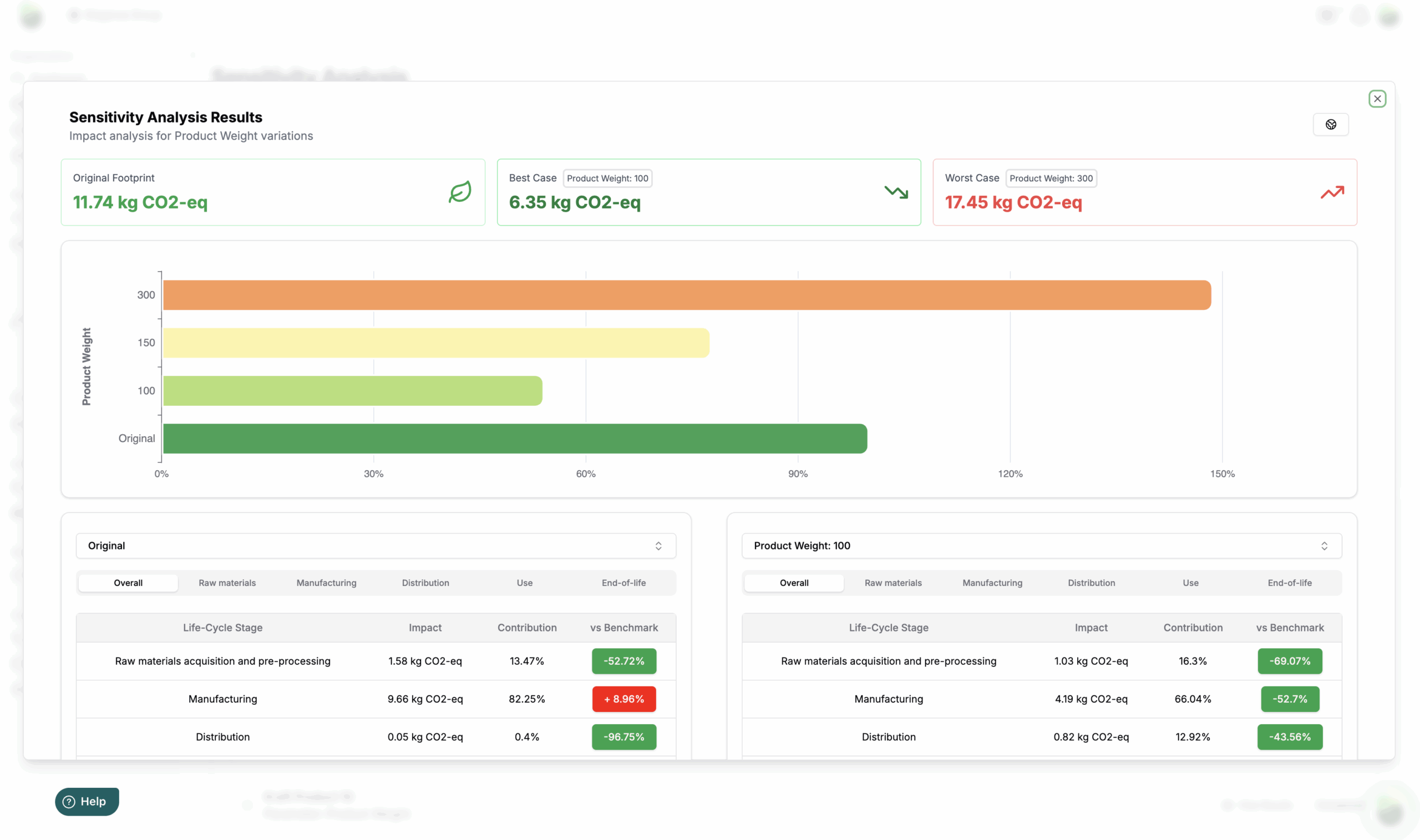
A carbon footprint is measured by evaluating the overall greenhouse gas emissions from all processes related to an individual, organization, or product. This involves direct emissions from fuel combustion and indirect emissions from electricity use, production processes, transportation, and waste disposal.
Can carbon footprints be offset?
Yes, carbon footprints can be offset by putting money into projects that minimize or seize CO2 emissions, such as reforestation, renewable energy projects, and carbon capture and storage. This helps compensate for emissions that cannot be eliminated.