Overview
SB 253 requires reporting entities with more than $1 billion in annual revenue that do business in California to disclose greenhouse gas emissions.
Unlike SB 261, SB 253 enforcement is not enjoined by the Ninth Circuit stay. CARB continues implementation. Guidance around the 2026 first cycle points to a 10 November 2026 Scope 1 and Scope 2 deadline (shifted from earlier August timing), subject to finalisation of the implementing regulation package.
Use GHG Protocol categories correctly: Scope 1 = direct emissions from owned or controlled sources; Scope 2 = indirect emissions from purchased electricity, steam, heat and cooling; Scope 3 = other indirect value-chain emissions. Scope 3 is not required for the inaugural 2026 reporting year under CARB’s first-year rules; it phases in later.
Sources: SB 253 statutory text; CARB 2026 reporting guidance / modified regulation process.
Key requirements
- 2026 first cycle: public disclosure of Scope 1 (direct) and Scope 2 (purchased-energy) emissions — not Scope 3 value-chain emissions.
- Later cycles: Scope 3 value-chain GHG emissions under the statutory phasing (not labour / human-rights due diligence content).
- Assurance requirements that phase in over time under the statute and implementing regulation.
- Fee payments to CARB according to the implementing fee schedule.
- Parent-level consolidated reporting options as provided in the initial regulation package.
Who’s affected
US and non-US companies meeting the revenue threshold that do business in California, including many large fashion brands and retailers with California sales or operations.
Timeline
2023–2024
SB 253 enacted; CARB directed to adopt implementing regulations.
10 November 2026
Current CARB target for the first Scope 1 and Scope 2 reporting submissions (not 1 January 2026).
2027 onwards
Scope 3 reporting expected to begin under the statutory / regulatory phasing.
How Carbon Trail helps

Compliance Assistance
- Carbon Trail provides expertise to help fashion brands navigate California SB 253 requirements, ensuring accurate data collection and reporting.

Services for sustainability reporting
- Carbon Accounting: Measuring and managing greenhouse gas emissions.
- Product Life Cycle Assessment (LCA): Conducting life cycle assessments to identify environmental impacts.
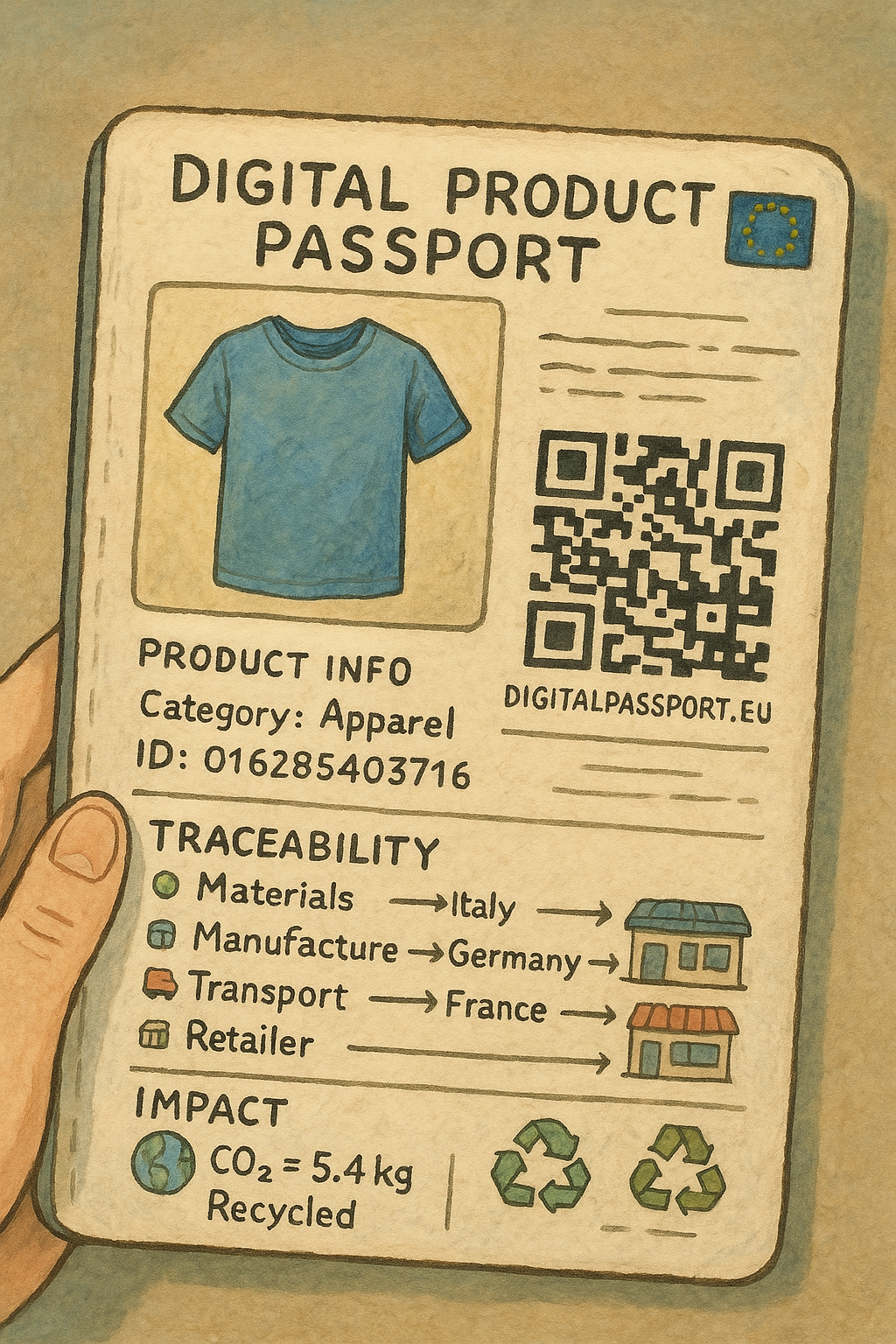
- Digital Product Passports: Creating digital records for products to enhance transparency.
- Decarbonization Services: Developing strategies to reduce carbon footprints across operations.

Frequently asked questions
Is the first SB 253 report due on 1 January 2026?
No. That date is outdated for the first emissions cycle. CARB’s current first-year Scope 1 and Scope 2 target is 10 November 2026.
What are Scope 1, 2 and 3 under SB 253?
Scope 1 covers direct GHG emissions; Scope 2 covers purchased-energy emissions; Scope 3 covers other value-chain GHG emissions. Scope 3 is not a 2026 first-year requirement under CARB’s current approach, and none of these categories is a labour or human-rights due-diligence disclosure.
Is SB 253 paused like SB 261?
No. The Ninth Circuit injunction discussed in 2025–2026 targets SB 261 enforcement. SB 253 implementation has continued.