Overview
The Uyghur Forced Labor Prevention Act strengthens the Tariff Act §307 forced-labour import ban by creating a rebuttable presumption for goods linked to the Xinjiang Uyghur Autonomous Region or to entities on the UFLPA Entity List.
US Customs and Border Protection (CBP) may detain shipments; importers must provide clear and convincing evidence to rebut the presumption. Apparel, footwear and textiles are consistently among the top detained sectors.
CBP’s 2026 operational guidance consolidates enforcement expectations under UFLPA, withhold-release orders and related authorities—raising documentation standards for fashion importers.
Key requirements
- Map Tier 1–n suppliers for cotton, yarn, fabric, trims and finished goods linked to Xinjiang or listed entities.
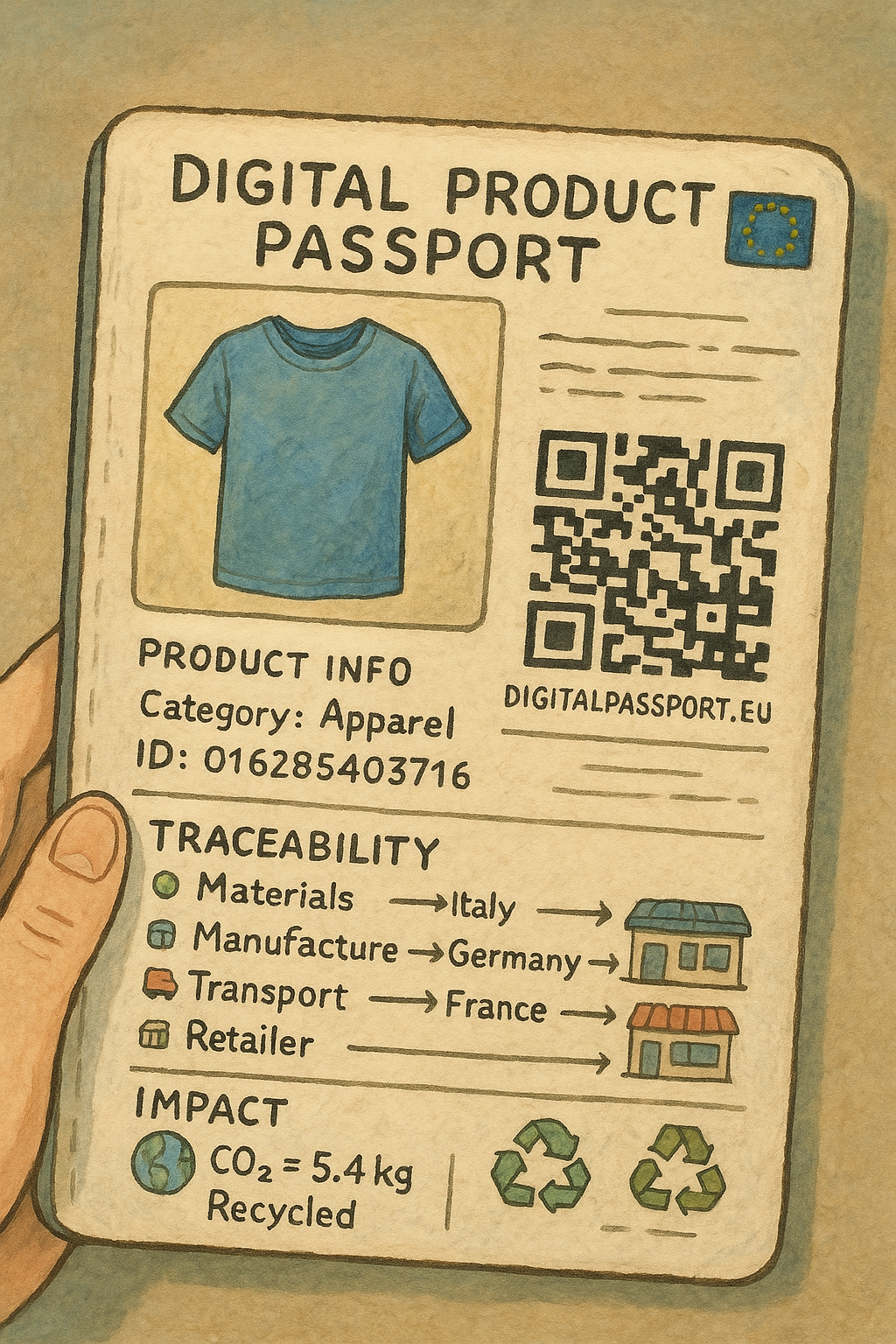
- Maintain traceability dossiers sufficient to rebut the presumption if cargo is detained.
- Monitor the UFLPA Entity List and CBP enforcement statistics for apparel/textiles.
- Align purchasing and audit programmes with forced-labour risk controls.
Who’s affected by UFLPA
US importers of record for apparel, footwear, textiles and related inputs, including fashion brands and retailers importing finished goods or materials.
Timeline
23 December 2021
UFLPA signed into law.
21 June 2022
Rebuttable presumption takes effect.
2026
CBP issues updated Forced Labor Enforcement Operational Guidance for importers.
How Carbon Trail helps
How Carbon Trail can help
- Map which products, markets and legal entities fall in scope.
- Structure product, supplier and emissions data needed for disclosures and EPR reporting.
- Track timelines, owners and evidence gaps across overlapping fashion regulations.
Frequently asked questions
Does UFLPA only apply to finished garments from China?
No. The presumption can reach goods with any Xinjiang content or listed-entity link, including inputs processed in third countries before export to the US.