Overview
SB 261 requires companies with more than $500 million in annual revenue that do business in California to prepare and publish a biennial climate-related financial risk report.
A statutory first publication date of 1 January 2026 was overtaken by litigation. On 18 November 2025 the US Court of Appeals for the Ninth Circuit enjoined enforcement pending appeal. CARB has confirmed that reporting is voluntary while the injunction remains in effect.
Companies should keep draft climate-risk reports ready in case the stay is lifted with little lead time.
Sources: SB 261; CARB advisories; Ninth Circuit stay reporting.
Key requirements
- Biennial climate-related financial risk report covering material climate risks and measures to reduce and adapt to those risks.
- Public availability of the report.
- Coverage of companies meeting the revenue and “doing business in California” tests once enforcement resumes.
Who’s affected
Companies above the $500 million revenue threshold that do business in California, including fashion brands and retailers. Enforcement is paused under the Ninth Circuit stay.
Timeline
1 January 2026
Original statutory first reporting date (not enforced while the injunction remains).
18 November 2025
Ninth Circuit enjoins SB 261 enforcement pending appeal.
Ongoing 2026
Reporting remains voluntary pending a Ninth Circuit decision and any CARB alternate deadline.
How Carbon Trail helps

Compliance Assistance
- Carbon Trail offers support to fashion brands navigating the complexities of SB 261 compliance. We assist in gathering necessary data, preparing reports, and ensuring adherence to all disclosure requirements.

Services for sustainability reporting
- Carbon Accounting: Measure and manage carbon emissions.
- Product Life Cycle Assessment (LCA): Conduct lifecycle assessments for products.
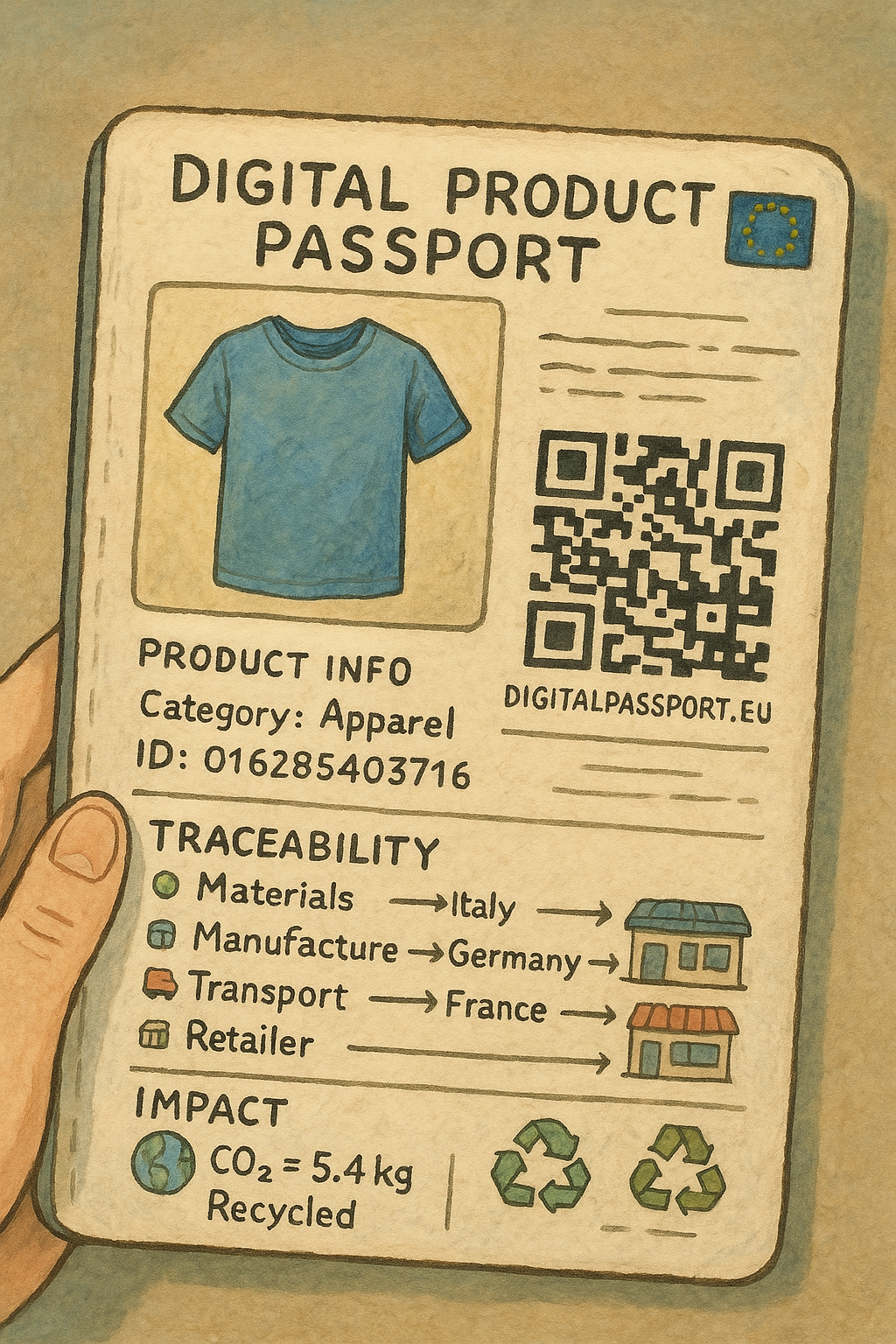
- Digital Product Passports: Create digital profiles for products to enhance transparency.
- Decarbonization Services: Develop strategies to reduce carbon footprints effectively.

Frequently asked questions
Do companies still have to file SB 261 reports in 2026?
Not while the Ninth Circuit injunction remains in force. CARB has said reporting is voluntary during the stay and that it will provide an alternate date if enforcement resumes.