Overview
The EU Waste Shipment Regulation governs cross-border movements of waste within the EU and shipments to and from third countries. The current framework is Regulation (EU) 2024/1157, which replaces Regulation (EC) No 1013/2006 on a staggered timetable.
According to the European Commission, the new regulation entered into force on 20 May 2024. Most provisions (except most export rules) apply from 21 May 2026, and most export rules apply from 21 May 2027. Until those application dates, relevant provisions of Regulation 1013/2006 continued to apply.
For fashion and textiles, the update matters wherever used textiles, cuttings, or other waste fractions are shipped for sorting, recycling, recovery or disposal. The framework strengthens traceability, digitalises procedures through the Digital Waste Shipment System (DIWASS), and tightens controls on exports—especially plastics and shipments to non-OECD destinations.
Sources: EC waste shipments page; Regulation (EU) 2024/1157.
Key requirements
Intra-EU shipments
- Prior notification and consent for disposal shipments and for hazardous / most mixed waste destined for recovery.
- General information requirements (including quantity, treatment, origin and destination) for green-listed non-hazardous waste shipped for recovery within the EU/OECD.
- Electronic submission and exchange of information via DIWASS for covered procedures from 21 May 2026.
Exports from the EU
- Continued general ban on waste exports for disposal and on hazardous waste exports for recovery to non-OECD countries.
- Plastic waste exports to non-OECD countries banned from 21 November 2026.
- From 21 May 2027, stricter rules on green-listed non-hazardous waste exports to non-OECD countries, with limited exceptions where destination countries demonstrate environmentally sound management.
- Exporters must ensure independent audits show facilities manage waste in an environmentally sound manner.
Who’s affected
Manufacturers, brands, retailers, recyclers, logistics providers and other operators that arrange or carry out shipments of textile or packaging waste across EU borders—or export waste from the EU—must comply with the applicable notification, information, digital submission and export-control rules.
EU Waste Trade: Key Statistics
The EU is an active participant in the international export of waste. Key figures highlight the urgency of effective waste management:
- According to recent estimations, 33 million tons of waste were shipped from the EU in 2021 and the main importers are Turkey, India, and countries of Southeast Asia.
- More than half of the export waste was of metals and plastics, including textile waste from the fashion industry.
- In total, it is estimated that illegitimate waste transfers make up roughly one-quarter of the waste exported from the EU, stressing the necessity for more stringent control.
- Current textile waste management in the EU is poor, with rates of recycling hovering around 1% for reuse in the creation of new clothes, pointing to their inefficiency in the circular economy.
Timeline
11 April 2024
Regulation (EU) 2024/1157 is adopted.
20 May 2024
New Waste Shipments Regulation enters into force.
21 May 2026
Most operational provisions apply, including digital procedures via DIWASS for covered shipments.
21 November 2026
Ban on plastic waste exports to non-OECD countries takes effect.
21 May 2027
Most export rules for non-hazardous waste to non-OECD countries start to apply.
How Carbon Trail helps

Compliance Assistance
- Carbon Trail provides guidance for fashion brands to navigate the complexities of the Waste Shipment Regulation. We assist in data collection, ensuring accurate reporting, and facilitating compliance with regulatory requirements.

Services for sustainability reporting
- Carbon Accounting: Measure and report carbon emissions accurately.
- Product Life Cycle Assessment (LCA): Evaluate the environmental impact of products throughout their life cycles.
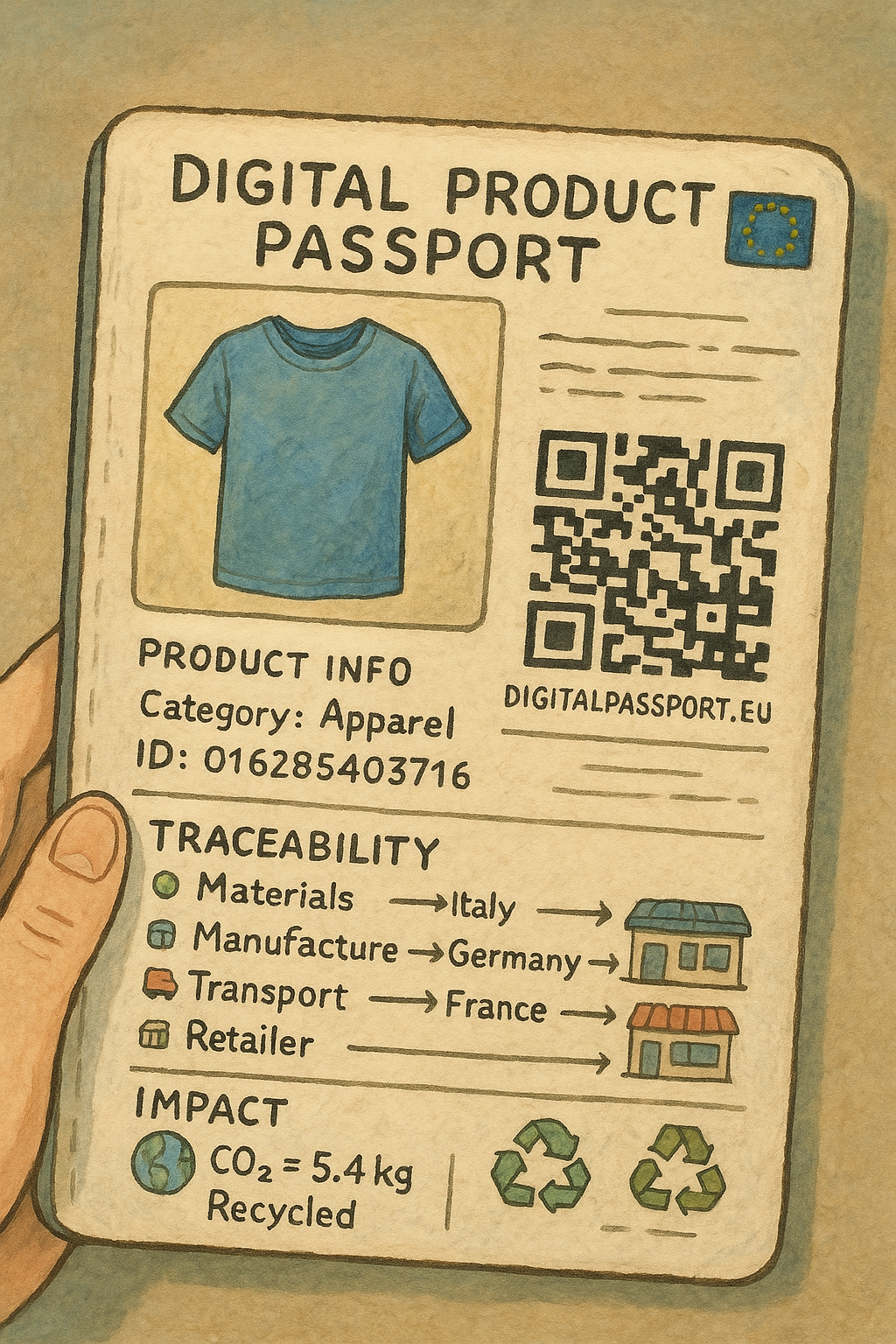
- Digital Product Passports: Create digital records of product information to enhance transparency.
- Decarbonization Services: Help brands develop strategies to reduce their carbon footprint.

Frequently asked questions
Is the Waste Shipment Regulation still only a proposal?
No. Regulation (EU) 2024/1157 was adopted in 2024 and entered into force on 20 May 2024. Most day-to-day provisions apply from 21 May 2026.
Do fashion brands shipping textile waste need to use DIWASS?
Operators arranging covered waste shipments must follow the electronic submission and exchange requirements that apply from 21 May 2026. National authorities may provide transitional guidance for some Annex VII / green-list information procedures.
When do tougher export rules bite?
Plastic waste exports to non-OECD countries are banned from 21 November 2026. Broader non-hazardous export controls largely apply from 21 May 2027.