Overview
SECR requires disclosures of energy consumption, Scope 1 and 2 emissions (and intensity ratios), plus narrative on energy-efficiency actions. It has applied since reporting periods starting on or after 1 April 2019 and remains current UK law.
Fashion companies meeting the Companies Act size thresholds must keep collecting activity data and publishing SECR information alongside any CFD or listing-rule climate disclosures.
Sources: SECR guidance / Companies Act framework.
Key requirements
- Report annual UK energy use and associated GHG emissions.
- Provide at least one emissions intensity ratio and prior-year comparatives where required.
- Describe energy-efficiency actions taken during the year.
- Have disclosures approved as part of the annual report process.
Who’s affected
Quoted companies and large unquoted companies / LLPs meeting SECR thresholds, including fashion groups incorporated in the UK.
Unquoted Companies and LLPs
- Scope: Made applicable to the large companies and LLPs satisfying any two out of the following three conditions:
- Annual turnover of £36 million or more.
- £18 million or more in total assets.
- 250 or more employees.
- Mandatory Reporting:
- UK total final consumption (electricity, gas, and transport fuel).
- Greenhouse gas emissions are associated with the organization’s energy consumption (Scope 1 and Scope 2).
- Intensity Ratios: Specific measures related to operations, for example, emissions per dollar of revenues or unit of production.
- Energy conservation activities were conducted during the financial year.
Timeline
1 April 2019
SECR begins applying to financial years starting on or after this date.
Ongoing
Annual SECR disclosures continue under existing Companies Act requirements.
How Carbon Trail helps

Compliance Assistance
- Carbon Trail offers expert guidance to fashion brands navigating SECR regulations, ensuring accurate data collection and reporting.

Services for sustainability reporting
- Carbon Accounting: Comprehensive tracking and analysis of carbon emissions.
- Product Life Cycle Assessment (LCA): Life cycle assessment services to evaluate the environmental impact of products.
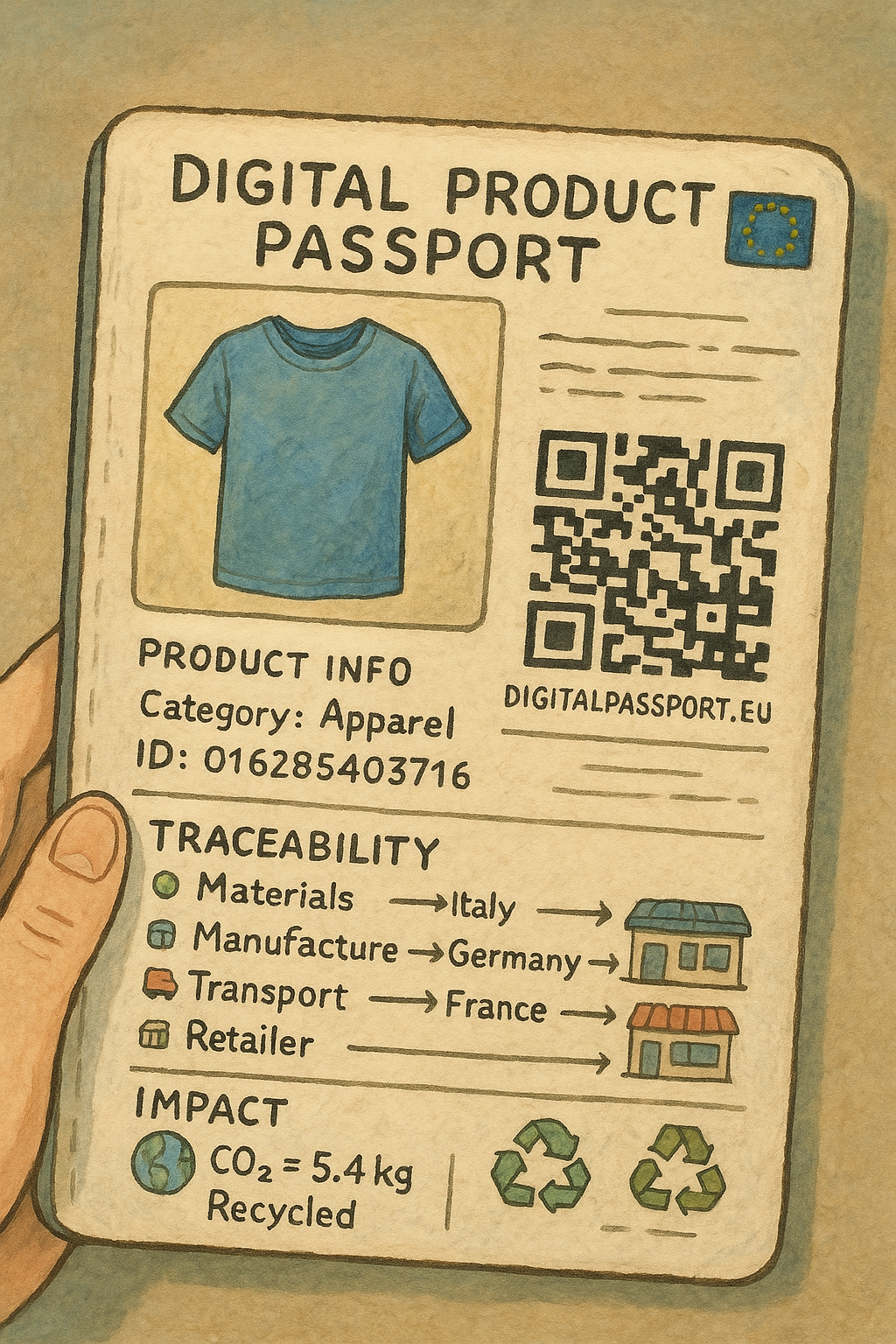
- Digital Product Passports: Support in creating and implementing digital passports for transparency.
- Decarbonization Services: Strategies to reduce carbon footprints effectively.

Frequently asked questions
Does SECR disappear once CFD disclosures are made?
No. SECR is a separate energy and carbon reporting duty and remains required for in-scope entities.