Overview
The UK CFD regulations require in-scope companies and LLPs to disclose governance, strategy, risk management and metrics/targets information for climate-related risks and opportunities on a comply basis within the strategic report.
The regime remains adopted and in effect. It sits alongside FCA listing-rule climate disclosure expectations for premium/listed issuers and the UK’s broader move toward ISSB-based sustainability standards.
Sources: SI 2022/31; GOV.UK guidance.
Key requirements
- Disclose climate governance and board oversight.
- Describe climate risks/opportunities, their impact, and resilience / scenario analysis where applicable.
- Explain risk-management processes and metrics/targets used to assess and manage climate issues.
Who’s affected by CFD
Large UK companies and LLPs meeting the statutory size tests, including fashion groups incorporated in the UK.
How Are CFD and TCFD Different?
While both CFD (Climate-related Financial Disclosure) and TCFD (Task Force on Climate-related Financial Disclosures) aim to promote transparency around climate risks, they differ in scope and applicability:
- CFD Regulations: Required for large companies and financial organizations in the UK, CFD complies with current legislation and contains requirements under the Companies Act.
- TCFD Framework: A nonbinding international standard that provides hints on how to report climate risks and opportunities. The British regulations in CFD are based on TCFD guidelines but reporting in compliance with CFD is mandatory for the companies qualifying under it.
Timeline
April 2022
CFD regulations begin applying to periods on or after the commencement dates set in the SI.
Ongoing
Disclosures continue while the UK advances ISSB-aligned sustainability assurance and reporting reforms.
How Carbon Trail helps

Compliance Assistance
- Carbon Trail provides expert guidance to fashion brands navigating the complexities of UK climate-related financial disclosures. We assist with:
- Data Collection: Gathering necessary climate-related data for accurate reporting.
- Reporting: Ensuring compliance with disclosure requirements.

Services for sustainability reporting
- Carbon Accounting: Detailed tracking of carbon emissions throughout the supply chain.
- Product Life Cycle Assessment (LCA): Life Cycle Assessment to evaluate the environmental impact of products.
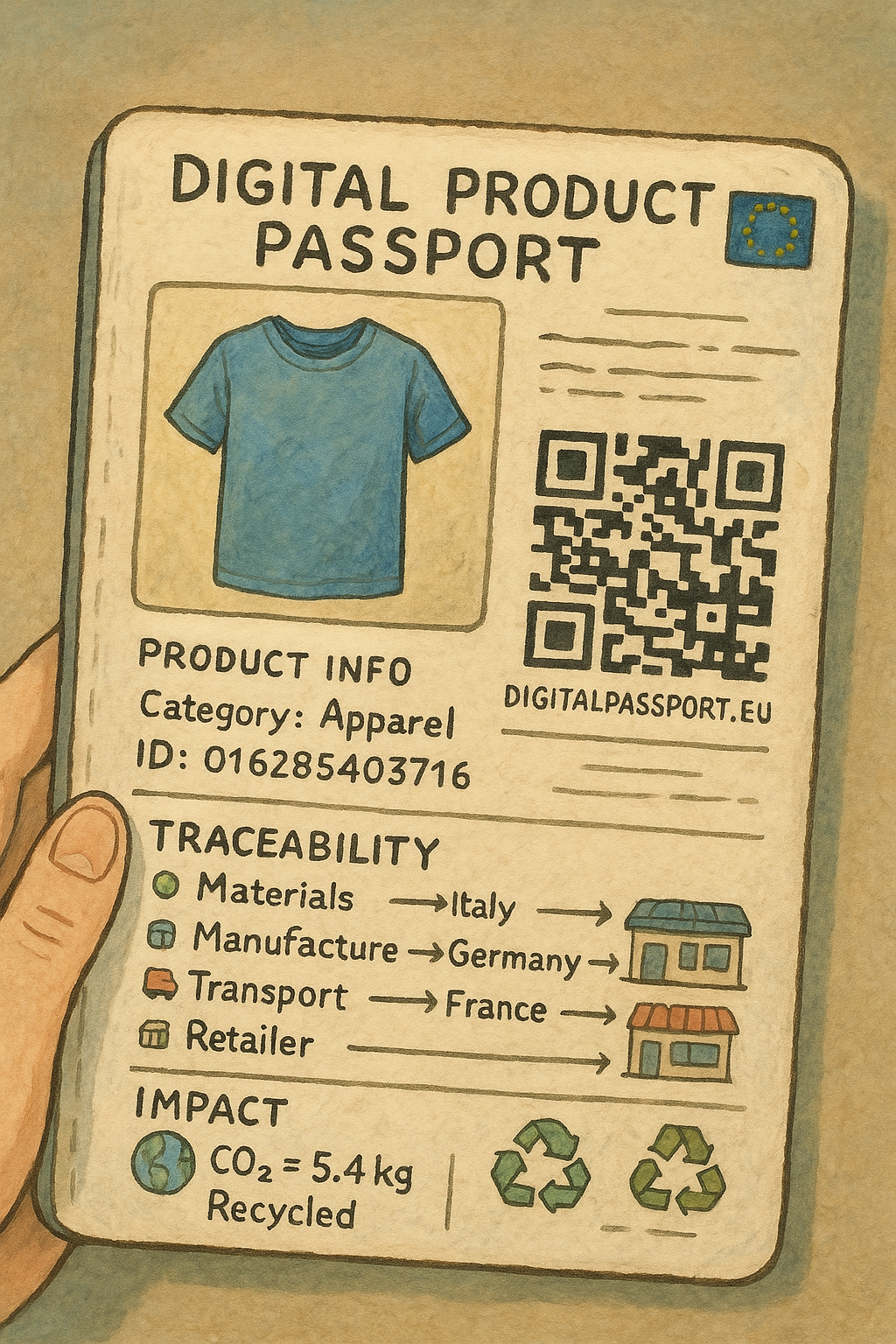
- Digital Product Passports: Creating digital records that include sustainability information.
- Decarbonization Services: Strategies to reduce carbon footprints in business operations.

Frequently asked questions
Are UK CFD rules still active after ISSB adoption plans?
Yes. The 2022 CFD regulations remain in force. Future UK Sustainability Reporting Standards may reshape disclosures, but companies must continue current CFD compliance until replaced or amended.