Overview
The Packaging and Packaging Waste Regulation (PPWR) is Regulation (EU) 2025/40. It replaces Directive 94/62/EC with a directly applicable regulation covering the full packaging life cycle.
PPWR entered into force on 11 February 2025. Under Article 71, it has applied since 12 August 2026, with many detailed obligations phased in later or dependent on further Commission acts.
Fashion and retail businesses are affected through product packaging, e-commerce shipments, hang tags, polybags and related materials placed on the EU market. Many operational duties continue to depend on later milestones or Commission acts; treat 12 August 2026 as the general application date, not as the date every packaging obligation fully matures.
Sources: Regulation (EU) 2025/40; Commission packaging waste pages.
Key requirements
- Substance restrictions and conformity documentation for packaging placed on the market from the general application date.
- Design-for-recycling, recycled-content and reusable-packaging requirements on phased timelines through 2030+ (not a single overnight 2030 switch).
- Harmonised labelling and information obligations as implementing measures land.
- Extended producer responsibility registration and fee obligations under national schemes aligned with the regulation.
- Restrictions on certain packaging formats and void-space / minimisation rules for e-commerce packaging.
Who’s affected by PPWR
Manufacturers, importers, fulfilers and retailers that place packaging or packaged products on the EU market—including fashion brands using consumer, transport and e-commerce packaging.
Key Objectives of the PPWR
As an initiative, the PPWR strives to modify packaging systems throughout European countries to reduce wastage and harm to the environment. Its key objectives include:
- Reducing Single-Use Packaging: Reducing disposable plastics and encouraging eco-friendly products.
- Increasing Recyclability: Pursuing full recyclability throughout all of our packaging and decreasing the use of virgin materials.
- Encouraging Reuse: Promoting systems where packaging could be used over and over in a bid to reduce the amount of waste that is produced.
- Promoting Circularity: Helping a circular economy by increasing the recovery of materials and reducing the dependence on landfills.
These objectives are not only environmentally friendly but also aimed to encourage the development of new packaging solutions.
Timeline
19 December 2024
PPWR adopted as Regulation (EU) 2025/40.
11 February 2025
Regulation enters into force.
12 August 2026
General application date for the regulation; phased obligations continue thereafter.
2030+
Later recyclability, recycled-content and reuse milestones continue to phase in.
How Carbon Trail helps

Compliance Assistance
- Carbon Trail offers tailored support for fashion brands to navigate the complexities of packaging regulations, assisting with data collection, compliance reporting, and strategy development.

Services for sustainability reporting
- Carbon Accounting: Help businesses measure and report their carbon footprint related to packaging.
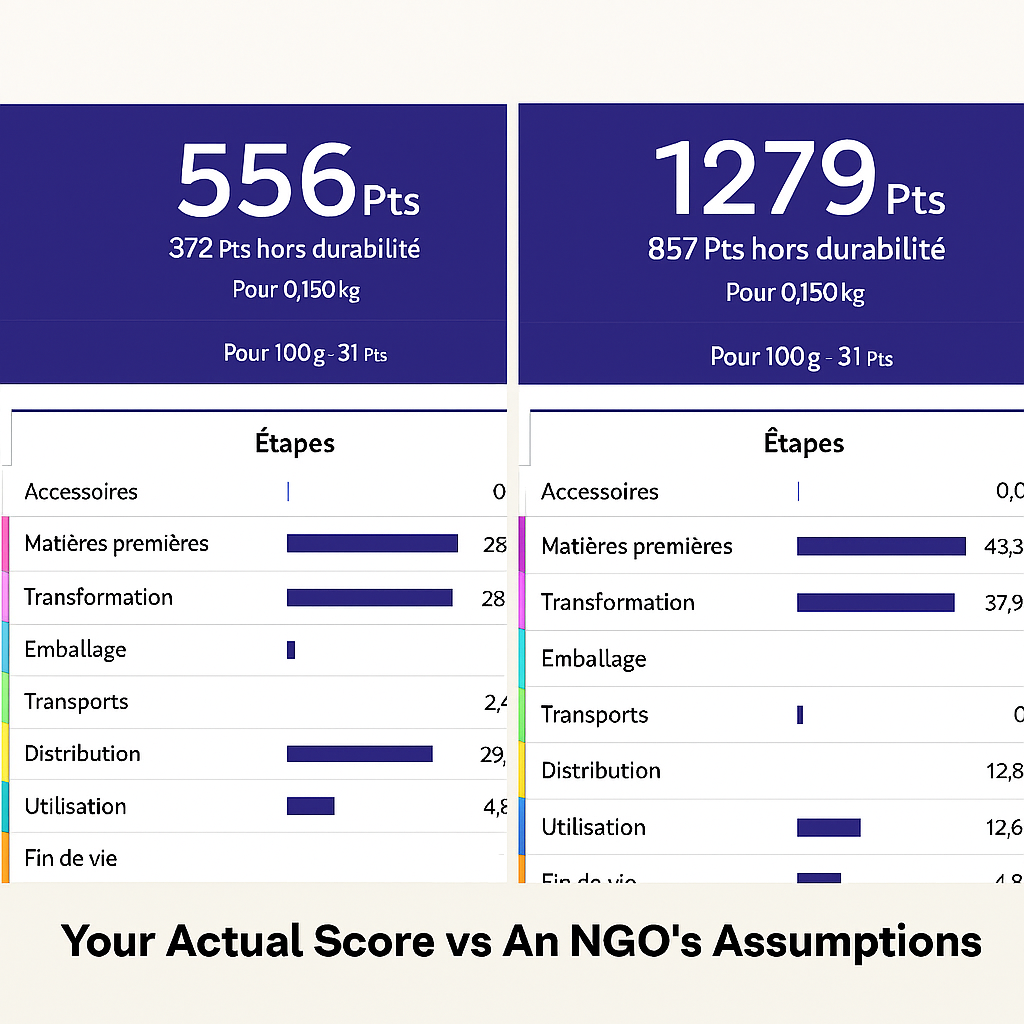
- Product Life Cycle Assessment (LCA): Assess environmental impacts of packaging choices throughout the product life cycle.
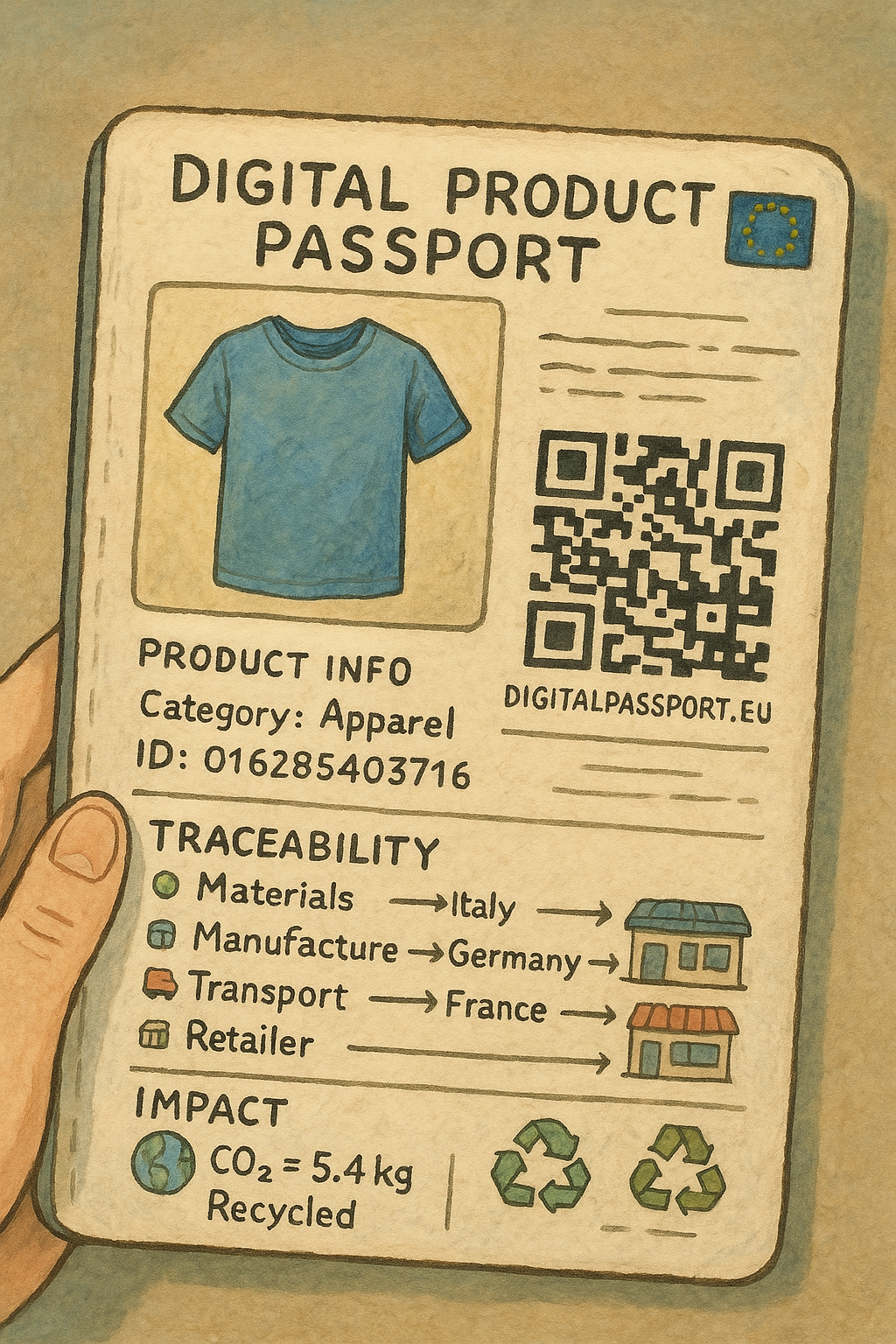
- Digital Product Passports: Enable brands to provide transparent information about packaging materials and recycling options.
- Decarbonization Services: Guide brands in reducing emissions associated with packaging production and disposal.

Frequently asked questions
Is PPWR still awaiting adoption?
No. It was adopted in December 2024 and has applied since 12 August 2026, although several technical requirements still depend on delegated or implementing acts.