Overview
The EU Taxonomy establishes technical screening criteria for climate and environmental objectives and requires disclosures of Taxonomy-eligible and Taxonomy-aligned turnover, CapEx and OpEx.
It remains adopted and applicable. Fashion companies that fall within the amended CSRD/Accounting Directive scope may need to report Taxonomy KPIs; companies exiting CSRD under Omnibus I should confirm whether any residual Taxonomy disclosure duties still apply under national transposition.
Sources: Regulation (EU) 2020/852; Commission Taxonomy pages.
Key requirements
- Assess eligibility and alignment against delegated acts for relevant activities.
- Disclose Taxonomy KPIs and accompanying qualitative information in the sustainability statement / non-financial disclosures where required.
- Apply “do no significant harm” and minimum safeguards tests for alignment claims.
Who’s affected
Companies required to report under the Accounting Directive / CSRD framework as amended, including large fashion groups remaining in scope after Omnibus I.
Timeline
2021–2022
Taxonomy Regulation and first climate delegated act apply.
2023 onwards
Broader environmental objectives and disclosure duties continue; Omnibus I interacts with who must report.
How Carbon Trail helps

Compliance Assistance
- Carbon Trail provides compliance assistance by guiding fashion brands through the complexities of EU Taxonomy regulations. We offer support in:
- Data Collection: Gathering necessary information to assess alignment with the Taxonomy.
- Reporting: Facilitating accurate and comprehensive disclosures.

Services for sustainability reporting
- Carbon Accounting: Helping brands measure and report their carbon emissions.
- Product Life Cycle Assessment (LCA): Conducting life cycle assessments to evaluate environmental impacts.
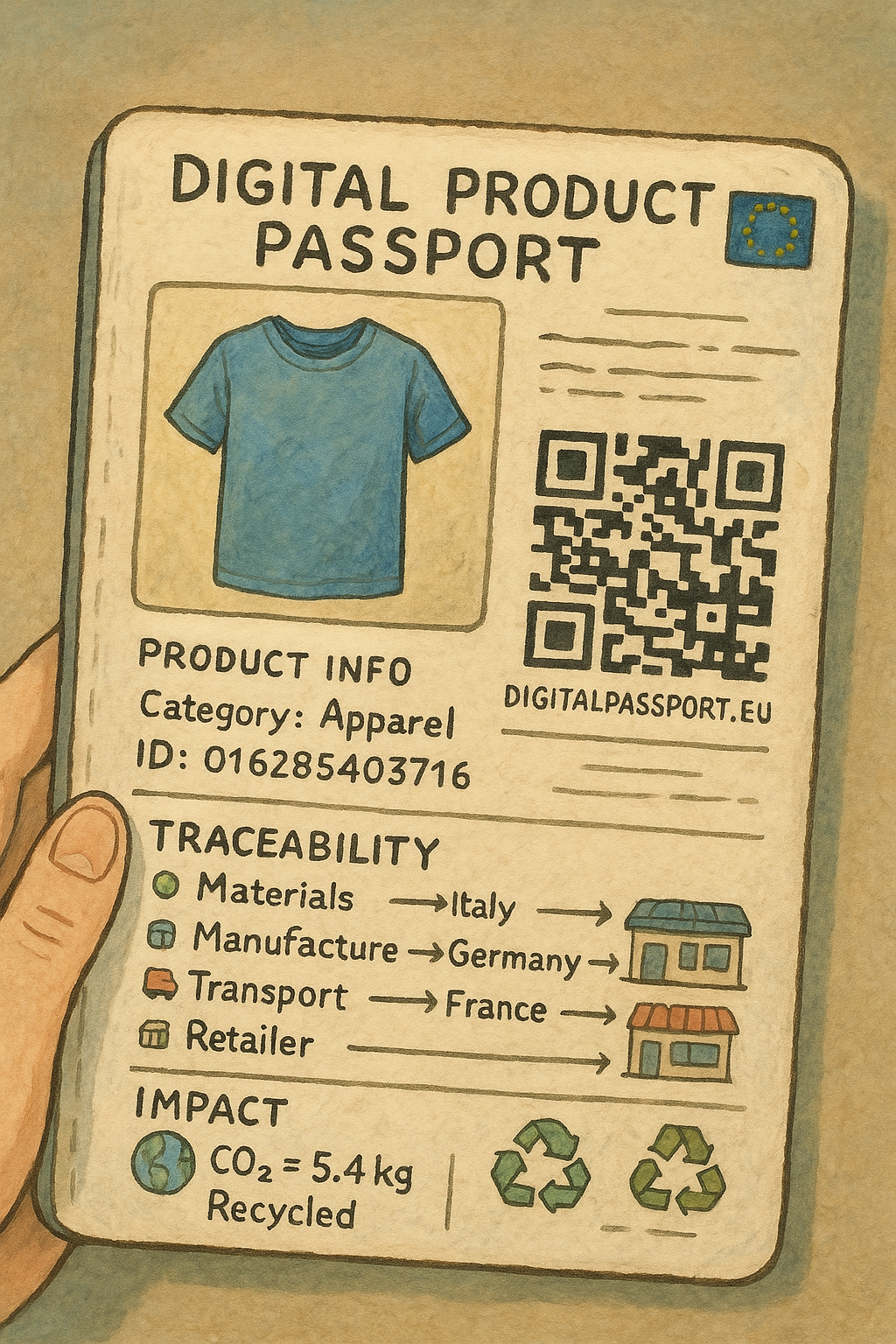
- Digital Product Passports: Assisting in the creation of digital tools for transparency.
- Decarbonization Services: Supporting strategies to reduce carbon footprints.

Frequently asked questions
Does Omnibus I repeal the Taxonomy?
No. Omnibus changes who must provide sustainability reports, which affects Taxonomy disclosure population, but the Taxonomy Regulation remains in force.