Overview
The Netherlands implemented textile EPR through the Besluit uitgebreide producentenverantwoordelijkheid textiel. Obligations apply to producers (including importers and distance sellers) placing consumer textiles on the Dutch market.
The scheme has been operating since 2023, with producer organisations collecting fees to fund collection, sorting, reuse and recycling. It sits alongside the newer EU Waste Framework Directive revision that will require EPR schemes in all Member States by 2028.
Sources: Dutch UPV textiel rules; Directive (EU) 2025/1892 context.
Key requirements
- Register as a producer and join or organise compliance for textile EPR in the Netherlands.
- Report quantities of textiles placed on the market.
- Finance collection and environmentally sound management through eco-modulated fees where applicable.
- Meet collection and recycling performance expectations set under national rules / producer organisation plans.
Who’s affected
Brands, retailers and importers placing covered textile products on the Dutch market, including cross-border e-commerce sellers.
Netherlands’ Circular Economy Goal by 2050
The Dutch EPR for Textiles is agreeing with the country’s plan to make the Netherlands a circular economy country by 2050. This new approach reflects the government’s goals to prevent all expendable resources from going to waste and to reuse or recycle materials wherever possible to cut the consumption of virgin materials. By 2030, reducing the utilization of raw materials by 50% shall be the interim target for all sectors, including textiles. These targets are achieved by proactively encouraging sustainable design of products, encouraging recycling, and making producers accept full responsibility in line with the EPR framework.
It is in line with the Dutch government’s priority to reduce the effects of climate change, promote efficient consumption of resources, and support innovation of sustainable solutions within fashion and textile businesses.
Dutch EPR Targets and Deadlines
The targets set under the EPR for Textiles by the Dutch government include aims to increase the levels of recycling, reuse, and circularity. These targets set clear milestones for businesses to achieve by specific deadlines:
2025
- The Dutch market currently requires that at least 50% of clothing sold must be recycled or reused.
- For textiles, 20% should be recycled, of which 10% is for recycling within the Netherlands.
- From this category, at least 25% of the recycled textiles must be through fiber-to-fiber recycling.
- It requires producers to set up and fund an effective intake mechanism, to ensure the correct acquisition and handling of textiles.
2030
- The percentage rate for recycling and reuse rises to 75%.
- 25% of textiles must be recycled and 15% of reused within the Netherlands.
- At least 33% of the recycled textiles are required to be recycled through fiber-to-fiber recycling.
2050
- The target has to be 100% recycling /reusing of the textile on the market, to support the circular economy goals of the Netherlands.
New conditions for producers will include reporting by the year, consumer education as well as the subsequent elaboration of additional conditions for producers in the 2025-2030 period to enhance the EPR framework. These progressive targets give evidence that the Dutch government is rather serious about the creation of a circular textile ecosystem.
Timeline
2023
Dutch textile EPR obligations take effect.
2025–2028
National scheme continues while EU-wide textile EPR under Directive (EU) 2025/1892 is transposed across Member States.
How Carbon Trail helps

Compliance Assistance
- Carbon Trail provides comprehensive support to fashion brands navigating the Dutch EPR for Textiles Decree. Our services streamline the process of data collection, ensuring that brands can efficiently meet their reporting requirements.

Services for sustainability reporting
- Carbon Accounting: Track and report on carbon emissions associated with textile products.
- Product Life Cycle Assessment (LCA): Conduct lifecycle assessments to evaluate environmental impacts.
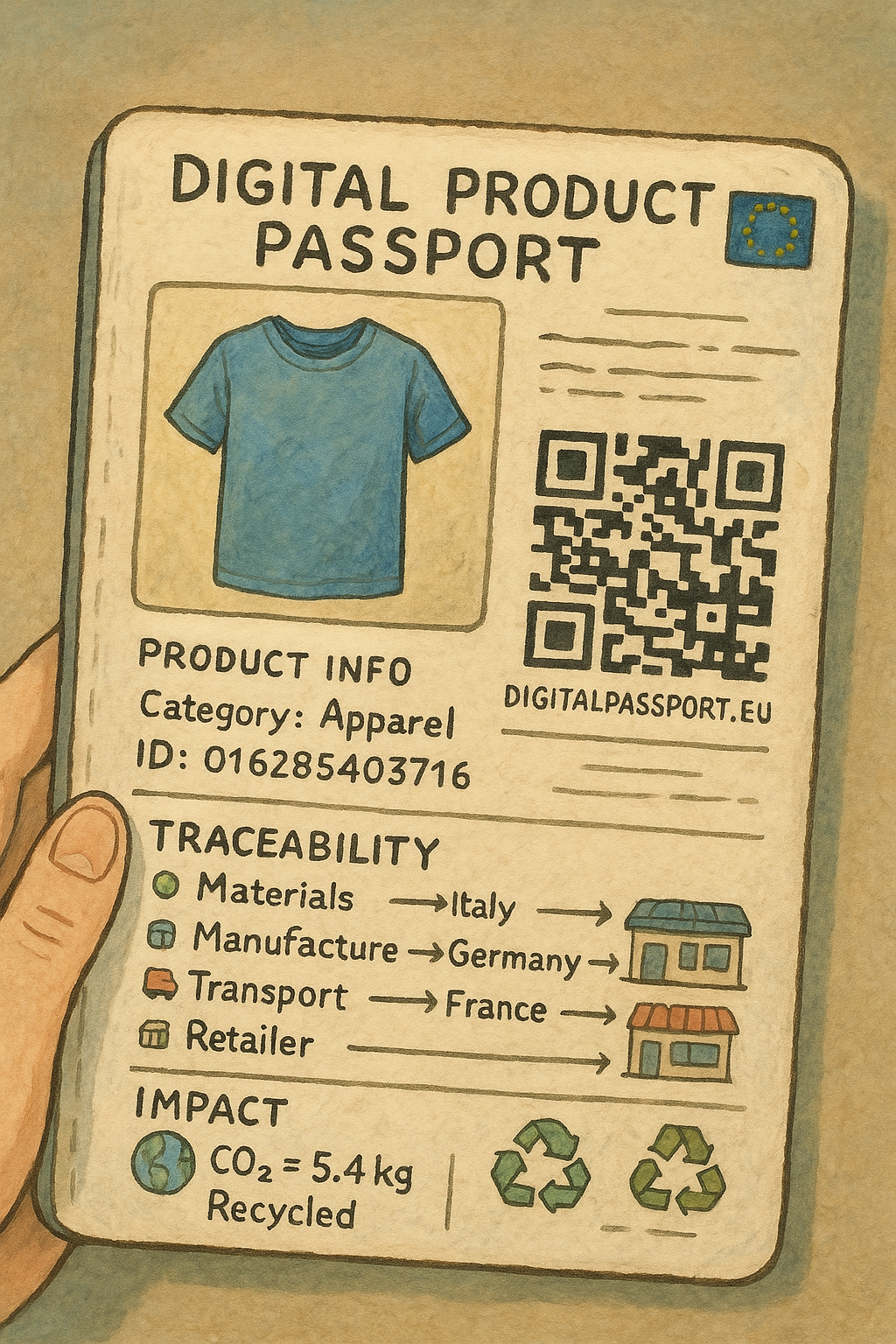
- Digital Product Passports: Create digital records that detail the sustainability attributes of textiles.
- Decarbonization Services: Implement strategies to reduce carbon footprints across the supply chain.

Frequently asked questions
Does the EU textile EPR revision replace the Dutch scheme?
No. The EU revision requires every Member State to operate textile EPR. The Dutch scheme already exists and will need to remain aligned with the revised Waste Framework Directive.