Overview
The Textile Labelling Regulation standardises fibre names and requires fibre-composition labelling for textile products made available on the EU market. It also includes rules for non-textile parts of animal origin.
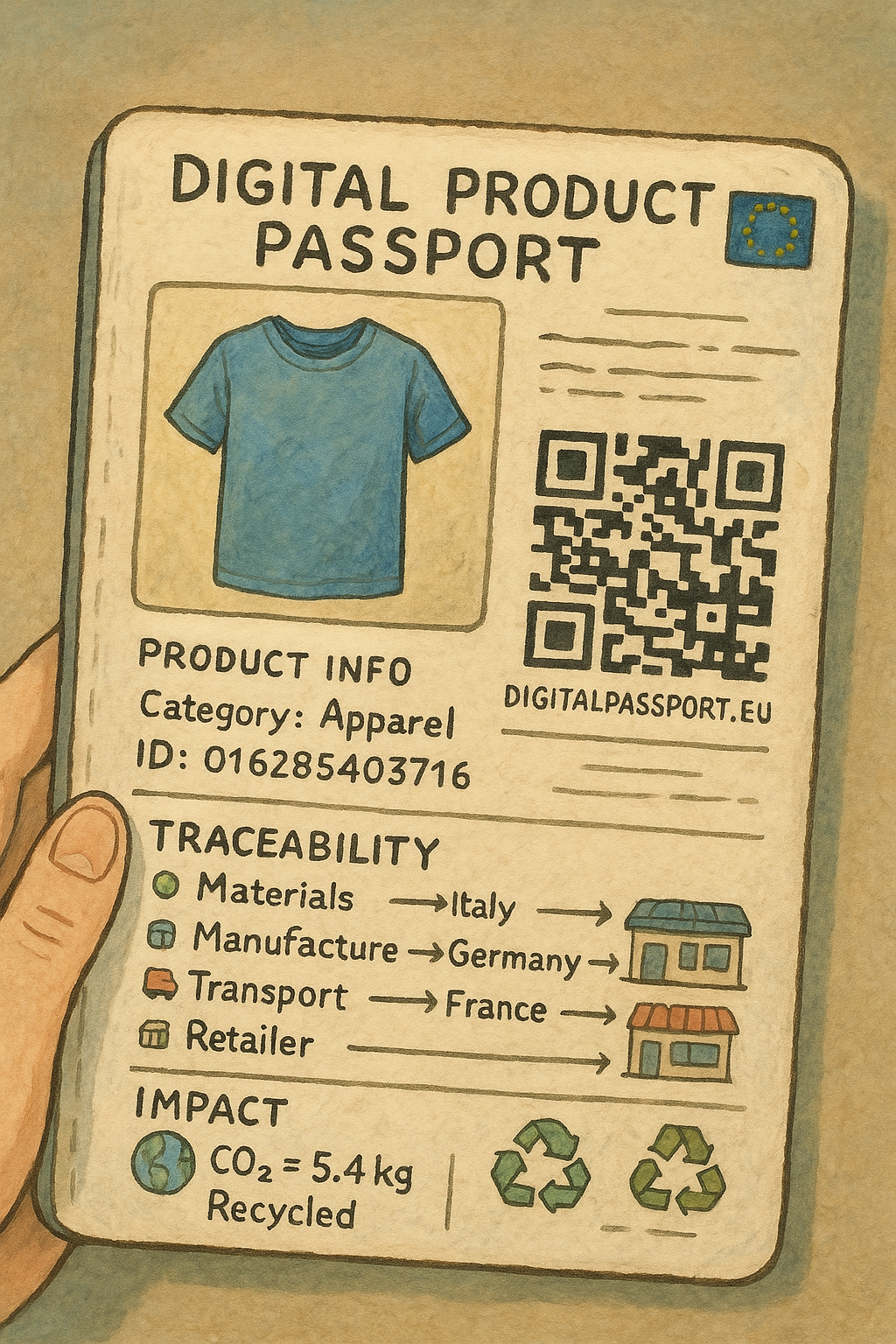
While older than the Green Deal package, it is still the day-to-day labelling statute for fashion SKUs. Brands should expect interaction with ESPR digital product passport / information requirements as textile delegated acts develop.
Key requirements
- Use only authorised fibre names when labelling composition.
- Indicate fibre composition clearly on the product or accompanying label.
- Follow special rules for multi-fibre products and non-textile animal-origin parts.
- Ensure e-commerce product pages carry equivalent composition information.
Who’s affected
Manufacturers, importers and distributors of textile products on the EU market, including fashion brands and retailers.
Timeline
8 May 2012
Regulation (EU) No 1007/2011 applies.
Ongoing
Possible revision discussions alongside ESPR textile information measures.
How Carbon Trail helps
How Carbon Trail can help
- Map which products, markets and legal entities fall in scope.
- Structure product, supplier and emissions data needed for disclosures and EPR reporting.
- Track timelines, owners and evidence gaps across overlapping fashion regulations.
Frequently asked questions
Does this regulate sustainability claims?
No. It regulates fibre composition naming and labelling. Sustainability claims fall under unfair commercial practices / Empowering Consumers and, if revived, Green Claims rules.